Make something. Find your next spark.
If you are standing in the watercolor aisle (or scrolling online) with that classic beginner question, pans or tubes, I can help you tighten up the decision. Both formats are the same kind of paint at heart: pigment plus a binder (typically gum arabic) plus a few helpers to control flow and rewettability. The difference is how the paint is packaged and how you will use it day to day.
Let’s compare pans and tubes on the things beginners actually feel: cost, convenience, color strength, travel, and setup. Then we will land on a recommendation based on how you like to paint.
What you are really choosing
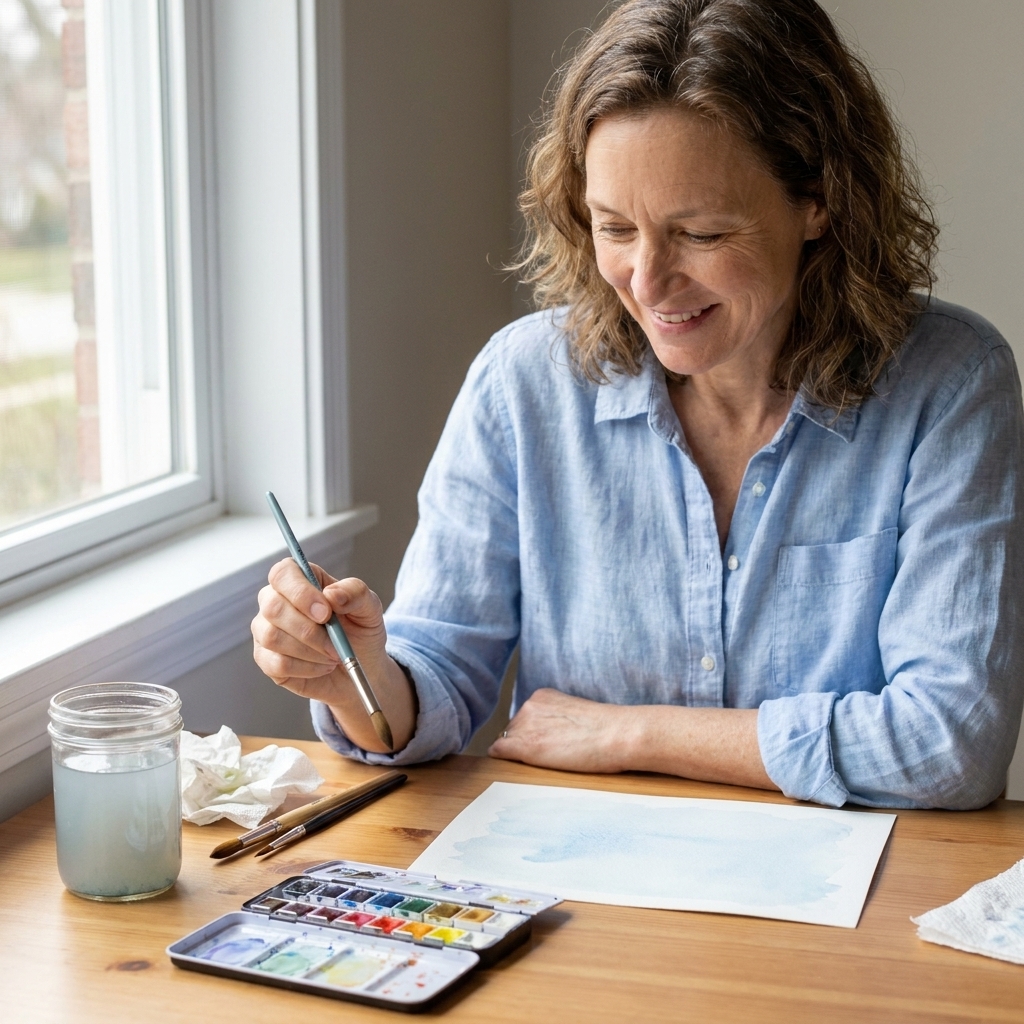
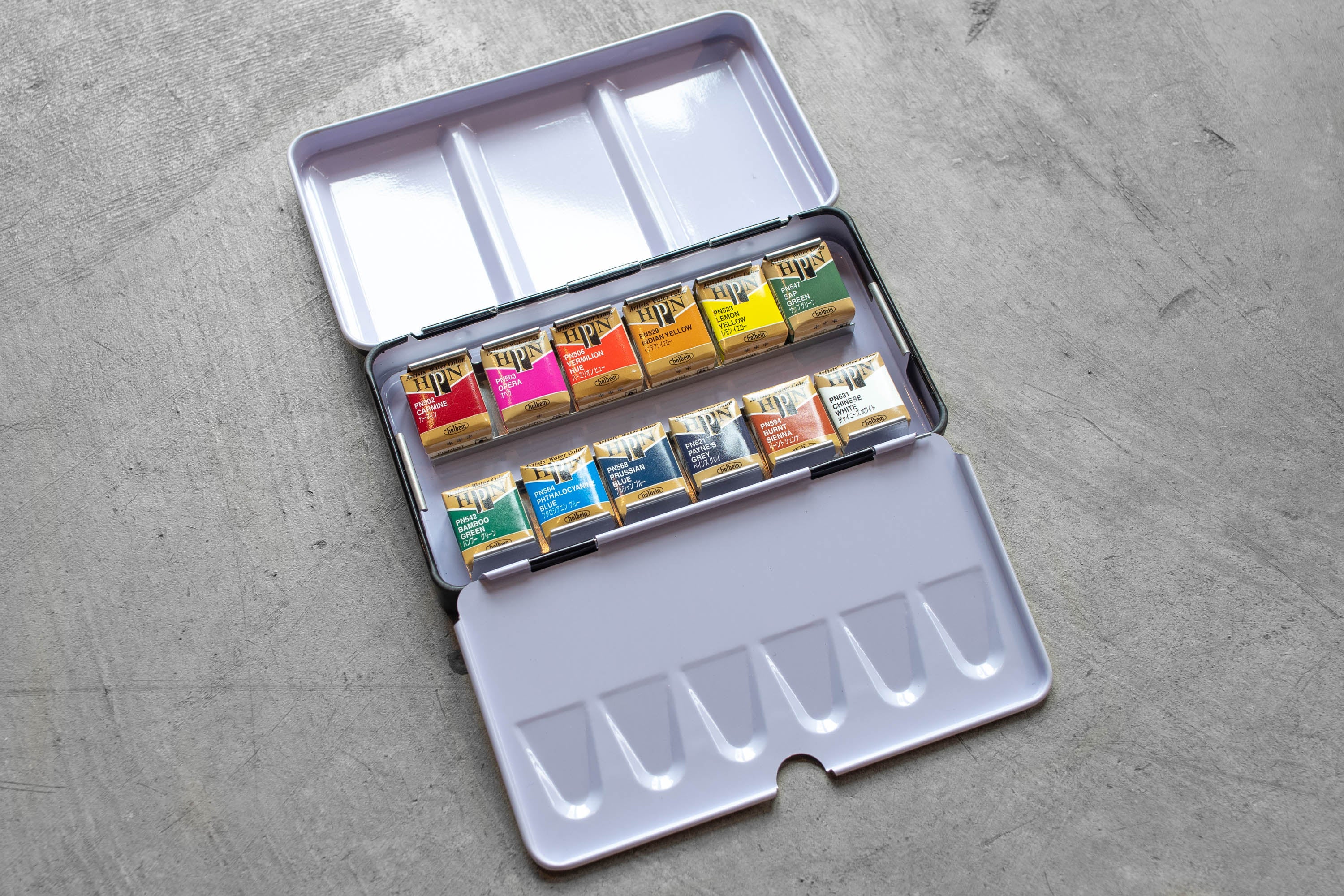
Pans are little cups of dried watercolor (full pans or half pans) that you reactivate with water. They usually live in a travel tin or plastic palette.
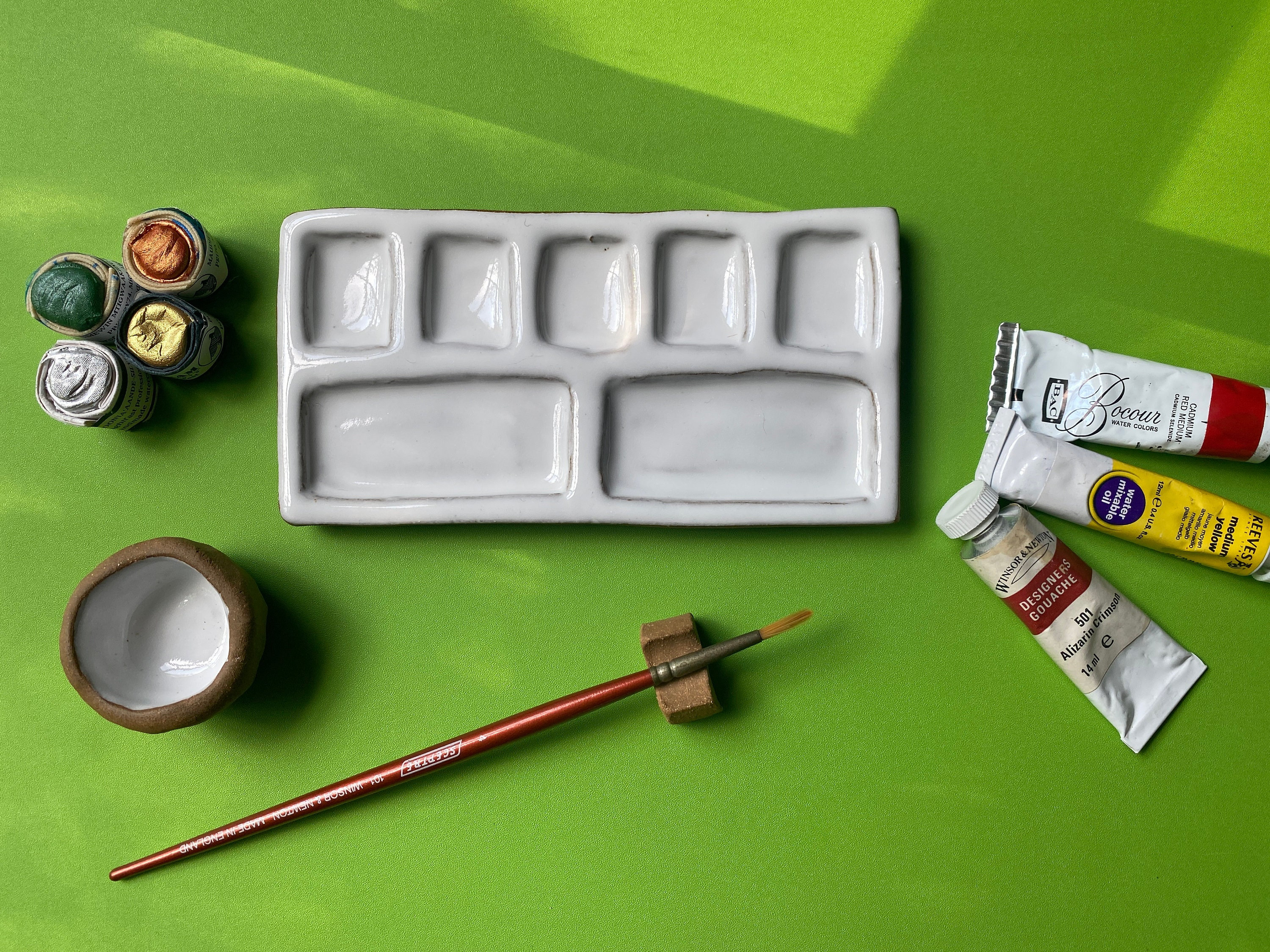
Tubes hold moist watercolor straight from the manufacturer. You can squeeze it into a palette well, use it wet right away, or let it dry into custom pans.
Beginners often think the question is “which paint is better,” but it is more like “which workflow fits my hands and habits.”
Cost: starter sets vs. long-term value
Pans: often lower upfront, predictable spending
Pans often win the first purchase, especially at beginner and student-grade price points. You can buy a compact set with a built-in mixing area and be painting quickly without extra gear. For learning washes, gradients, and simple sketches, a basic pan set can go a surprisingly long way.
One nuance: artist-grade pan sets can be priced similarly to tubes, so “lower upfront” is not a law of nature. It is more common with entry-level sets.
- Best for: trying watercolor without investing in additional palettes and large tubes.
- Watch for: very cheap sets can be chalky or weak, which makes beginners think they are doing something wrong when the paint is just underpowered.
Tubes: higher upfront, can be efficient per color
Tubes cost more at the start, but you get a lot of paint per color, and you can dispense exactly what you need. If you end up painting regularly or painting larger, tubes can become the better value, especially for colors you burn through (ultramarine, burnt sienna, a favorite green). Brand, tube size, and how much you waste matter here, so think in terms of your habits, not a universal rule.
- Best for: painting often, working larger, mixing plenty of puddles.
- Watch for: it is easy to buy too many colors early. A small, thoughtful palette is cheaper and teaches you more.
Convenience: speed, mess, and how much you want to fuss
Pans are tidy and quick
Pans are the “open the box and go” option. A damp brush, a few swirls, and you have color. Cleanup is usually just rinsing your brush and wiping the mixing area.
- Less chance of squeezing out too much paint
- Less gear needed to start
- Easy to pause and come back without worrying about paint drying on a palette
Tubes are flexible, but can get messy
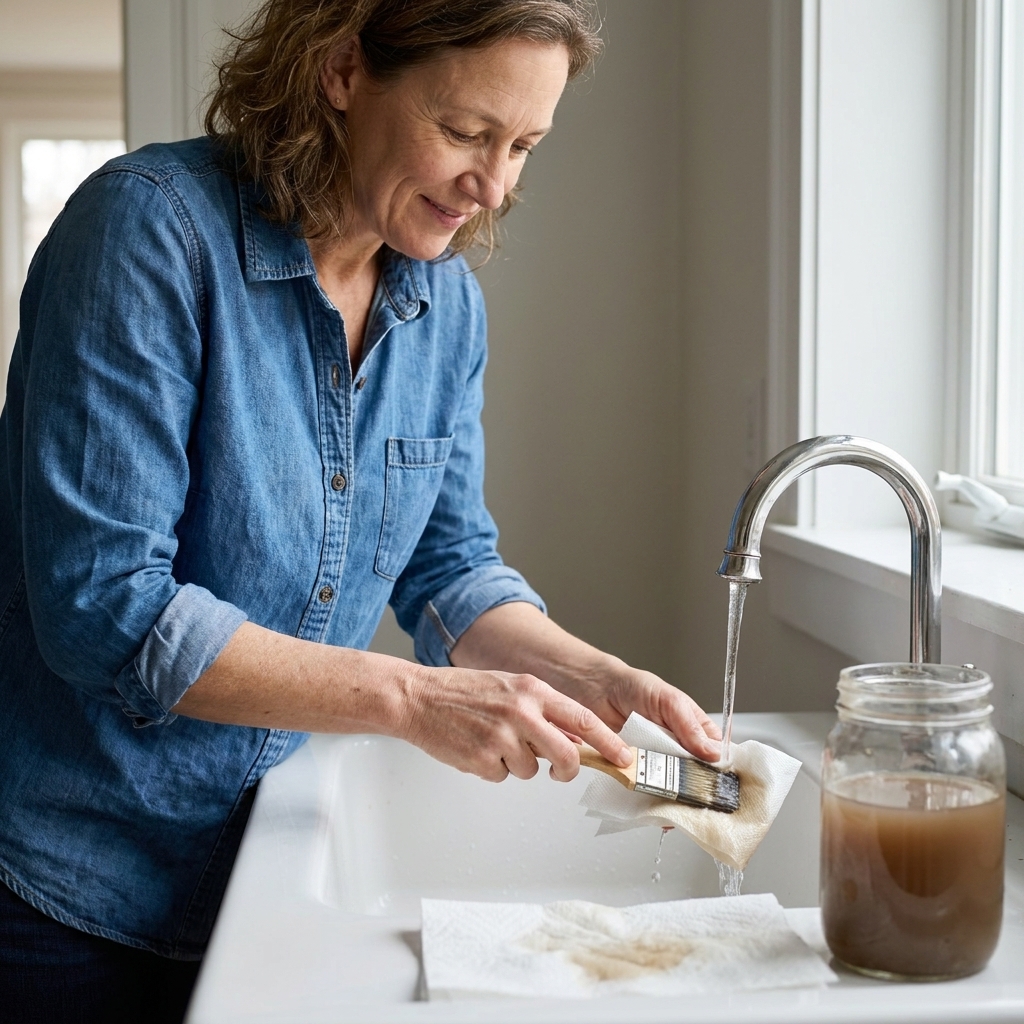
Tubes shine when you want control over quantity and consistency. The tradeoff is you will usually manage an extra palette, and you may occasionally over-squeeze or crack a cap loose and end up with a sticky surprise.
- Great for building large, consistent mixes
- Easy to refill wells or create custom travel palettes
- More cleanup and more temptation to use too much paint
Pigment strength: is one more vibrant?
This is the part that trips people up. Tubes often feel stronger because the paint is already moist, so you can load a brush with a lot of pigment quickly. Pans can absolutely hit the same depth, but you may need a bit more time to rewet and agitate the surface to get there.
When pans feel weaker
- You are using lots of water and not enough brush loading
- The pan is very dry and you are only grazing the surface
- You have a student-grade set with more filler and less pigment
When tubes feel easier
- You want bold darks fast
- You paint larger shapes and need a big puddle of strong color
- You mix heavily and do not want your mixtures to look washed out
Tinker tip: if you use pans, place a few drops of clean water on the colors you expect to use and let them soften while you sketch. That tiny pre-soak step makes pans feel much closer to tubes.
Travel and portability: painting outside the house
Pans are built for travel
If you want to paint at a café, in a park, or at your kitchen table without setting up a whole station, pans are hard to beat. A small tin, a water brush or a compact cup, and you are done.
- Less spill risk
- No loose palette required if your tin has mixing wells
- Easy to toss into a bag
Tubes can travel well, with the right setup
Tubes are not automatically “stay at home” paint. The trick is to decant tubes into a travel palette and let them dry. Many watercolorists do this so they get tube-grade color with pan-like convenience. Just remember that dried tube paint does not always behave exactly like factory pans. Some brands pour or mill pans differently, and some tube colors rewet faster than others.
- Bring tubes only if you expect to refill or paint a lot
- Otherwise, a dried tube palette travels cleaner
- Heat can soften tube paint in a bag, and freezing can also cause separation in some formulations, so store thoughtfully
Palette setup: how each format affects mixing
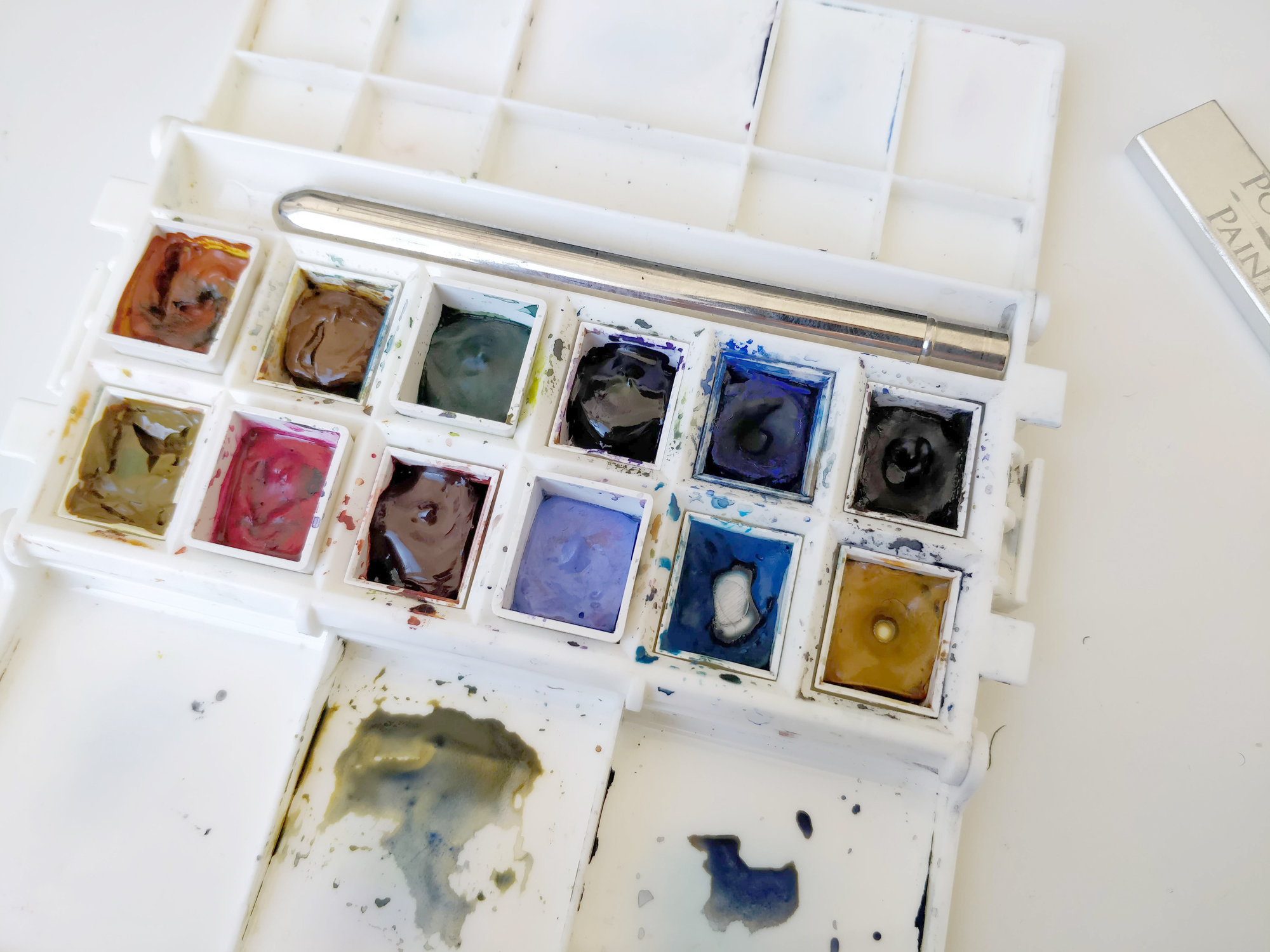
Pans: smaller wells, smaller puddles
Most pan sets come with limited mixing space. That is perfect for sketches, small paintings, and learning brush control. It can feel cramped if you are trying to mix large washes for bigger paper.
- Great for: controlled mixing, quick color changes, learning to see value shifts.
- Harder for: big skies, large wet-in-wet backgrounds, consistent mixes across multiple passes.
Tubes: you can mix big and repeatably
Tubes pair nicely with a roomy palette. You can squeeze out a little paint, add water, and build a generous puddle that stays consistent across a wash. This makes techniques like glazing, graded washes, and large shapes feel less stressful.
- Great for: large mixes, predictable strength, mixing custom secondary colors.
- Harder for: staying minimal and tidy if you dislike cleanup.
Durability and waste: dried pans vs. dried blobs
Both formats can be low-waste if you set them up well.
Pans: very little waste by design
You only pick up what you need. If you let a palette dry between sessions, that is normal and expected.
Tubes: waste depends on how you dispense
If you squeeze out a lot each time, you may feel wasteful, especially if paint dries in thick piles. The fix is simple: squeeze less, or let your tube paint dry in wells on purpose so you can rewet it like a pan.
Good to know: some tube paints rewet more easily than others depending on the pigment and formulation. If a color seems stubborn after drying, a spritz of water and a little patience usually brings it back.
Common beginner questions
Are pans always student grade?
No. There are professional-grade pan sets and professional-grade tubes. “Pan” describes the format, not the quality. If you are comparing brands, look for whether the line is labeled student or artist grade, and whether individual pigments are listed on the color names.
Can I squeeze tube paint into empty pans?
Yes. Let it dry in thin layers. Many people fill a pan halfway, let it dry, then top it off. This reduces cracking and helps it dry evenly.
Which is easier for learning techniques?
Pans tend to make you practice water control because you build strength gradually. Tubes tend to make it easier to reach strong darks and mix larger puddles. Neither blocks you from learning. They simply encourage different habits.
Do I need more colors if I pick pans?
No. In fact, fewer colors is often better at first. A small palette teaches you how to mix and how pigments behave. You can always add a special color later once you know what you actually miss.
Why do my colors look dull?
This is not always a pans vs. tubes problem. Paper and brush matter a lot. A watercolor paper that can handle water (and a brush that holds a decent reservoir) will do more for vibrancy and smooth washes than switching formats.
So which should a beginner choose?
Here is my fits-together recommendation, based on how you want to paint.
Choose pans if you paint like this
- You want a simple, compact setup
- You like sketching, journaling, or painting small
- You want to travel with your supplies easily
- You prefer tidy tools and minimal cleanup
Choose tubes if you paint like this
- You want bold color and dark values without fighting for them
- You plan to paint larger paper or big washes
- You enjoy mixing and want repeatable puddles of color
- You are happy to use a separate palette and do a bit more cleanup
If you are torn
Start with a pan set for portability and low fuss, then add a few key tube colors later for the ones you use most. Or go the other direction: buy a small set of tubes and fill a travel palette so you get tube flexibility in a pan-friendly format.
If you want a simple first buy, aim for a limited palette. Six to eight colors is plenty for learning and mixing, whether you choose pans or tubes.
Either way, the best beginner choice is the one that gets you painting more days than not. Watercolor rewards time at the table, even if it is just fifteen minutes and a small sheet of paper.