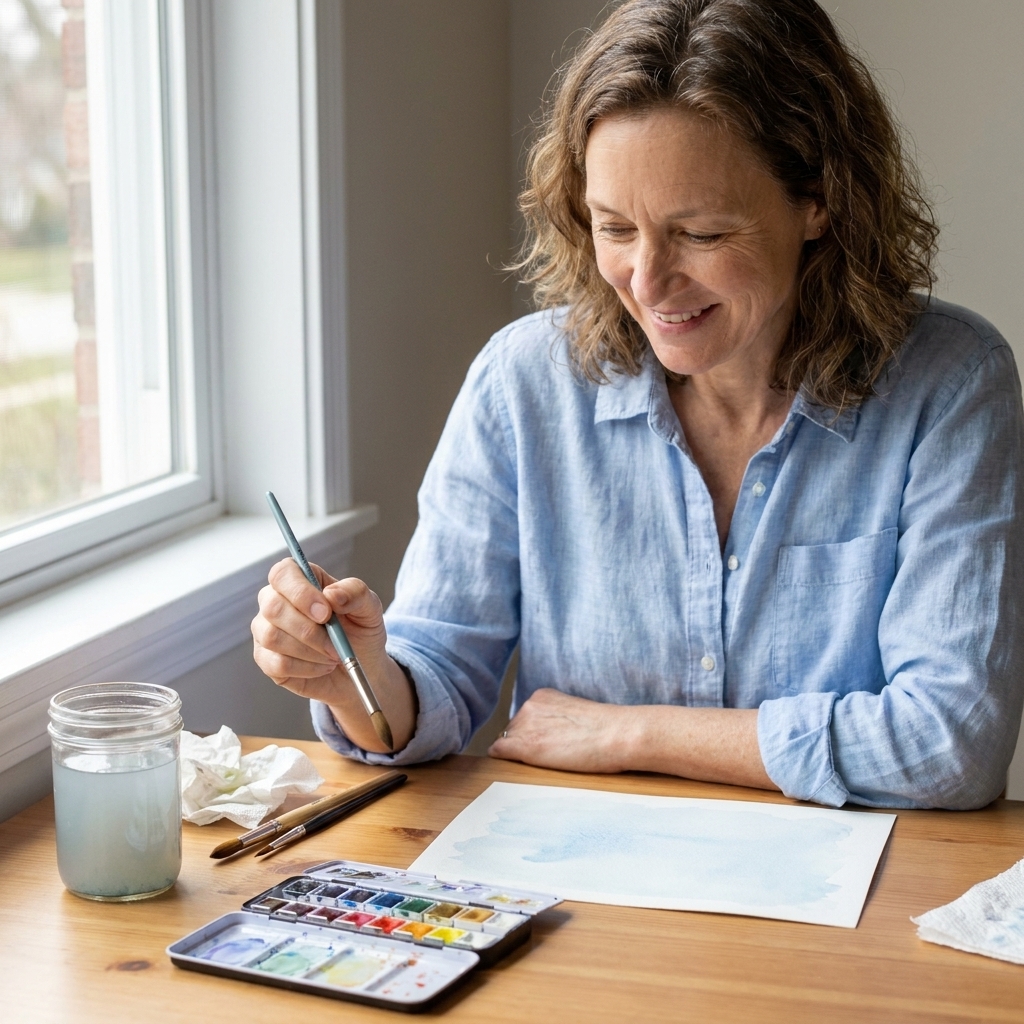

Watercolor is the kind of hobby that feels simple until your paper starts buckling like a tiny canoe. Good news: you do not need the fanciest paper to start. You just need paper that behaves predictably while you practice washes, layering, and lifting. Let’s pick something that fits together nicely, like a clean joint in a little beaver-built workshop.
The four choices that matter most
When you are shopping, almost every watercolor paper listing boils down to four decisions:
- Fiber: cotton vs cellulose (wood pulp)
- Weight: 140 lb vs 300 lb (and a few in between)
- Surface: hot press, cold press, or rough
- Format: block, pad, or single sheets
If you understand those, you can buy confidently even when brands and labels get noisy.
Cotton vs cellulose: what you are paying for
Cellulose (wood pulp)
Cellulose paper is the budget-friendly on-ramp. Most beginner pads are all wood pulp. Some budget papers are blends, and a little cotton in the mix can improve strength and handling, but it varies by product.
For beginners, cellulose can be great for:
- Practicing brush control and basic washes
- Sketching and quick studies
- Learning how much water is too much
The tradeoff is that it can absorb water less evenly and can start to look tired faster when you scrub, lift, or re-wet an area. Colors can sink in quickly and layering can feel less forgiving.
100% cotton
Cotton paper is the “yes, this is why people love watercolor” option. Cotton fibers tend to hold water longer and more evenly, especially when the paper is well-sized. That usually means:
- Smoother gradients and softer edges
- More time to move paint around before it dries
- Better lifting and glazing (layering transparent color)
- Less pilling or surface damage when you work back into an area
It costs more, but it can also reduce frustration. If watercolor feels like it is constantly fighting you, the paper is often the reason.
A quick note on sizing
If watercolor paper has a secret ingredient, it is sizing. Sizing is the treatment (often internal and sometimes also on the surface) that controls how fast water soaks in. Well-sized paper gives you more working time, cleaner edges, and more predictable lifting. Poorly sized paper can feel like it either drinks your wash instantly or turns to fuzz when you correct something.
Beginner-friendly rule of thumb: Start with cellulose to practice volume, then keep at least a small cotton pad or a few cotton sheets for “keeper” pieces. You will learn faster when you can feel the difference.
Paper weight: 140 lb vs 300 lb
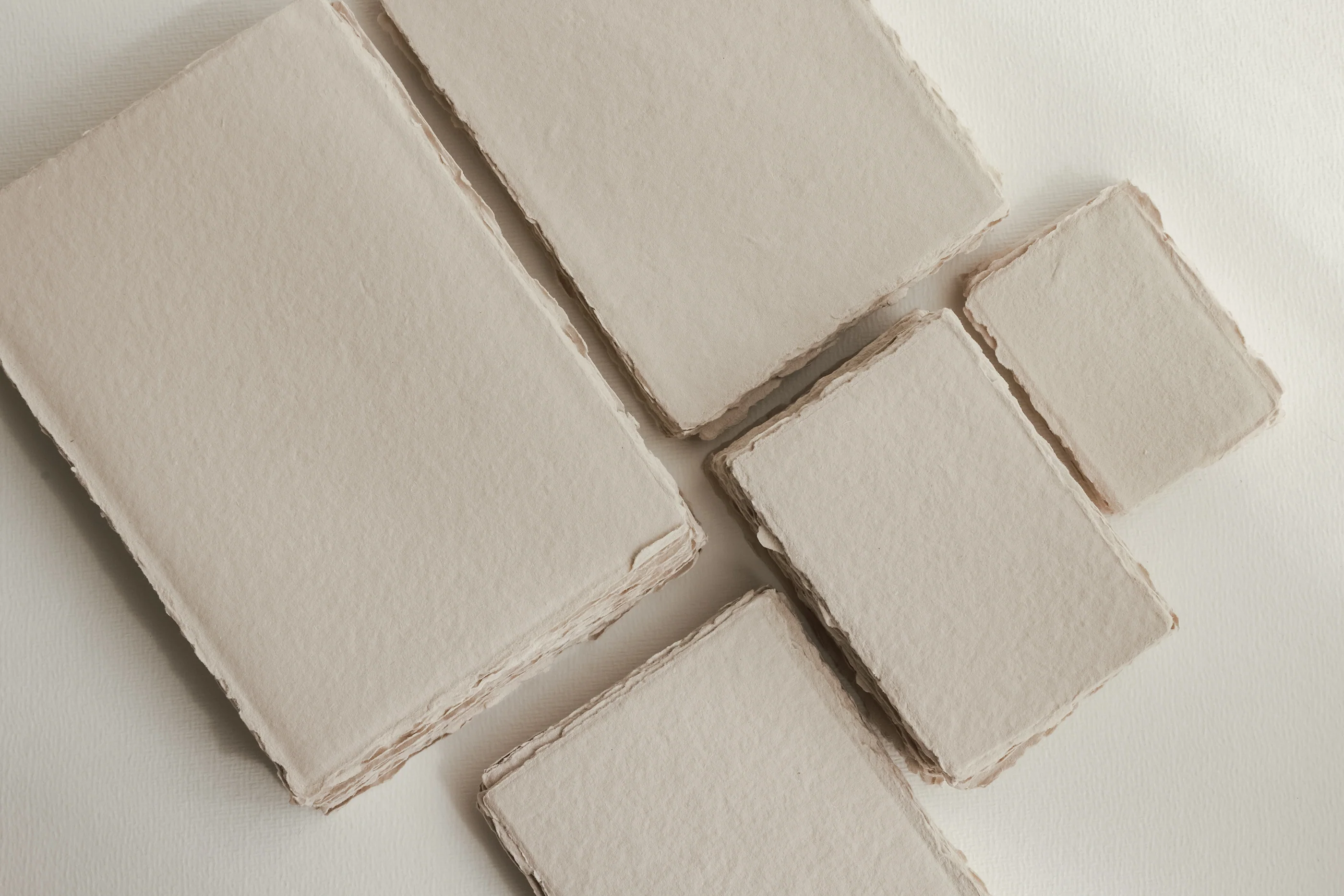
Watercolor paper weight is usually listed as pounds (lb) in the US or grams per square meter (gsm) elsewhere. As a quick conversion note: 140 lb is about 300 gsm, and 300 lb is about 640 gsm. Heavier paper buckles less and can take more water.
140 lb (300 gsm)
This is the most common starter weight because it balances price and performance. It can handle typical beginner techniques, but it will buckle if you flood it with water.
- Best for: general practice, sketches, technique drills
- Expect: some warping unless you tape it down, stretch it, or use a block
300 lb (640 gsm)
This is the “I want the paper to stay put” weight. It is thicker, stiffer, and much less likely to buckle, even with very wet washes.
- Best for: big juicy washes, wet-on-wet, lots of layering
- Expect: higher cost, fewer sheets per dollar
Beginner-friendly rule of thumb: If you only buy one thing and you hate buckling, buy a 140 lb block or a 300 lb pad. If you are comfortable taping paper down, 140 lb pads are a sensible everyday choice.
Surface texture: hot press, cold press, rough
Paper “press” describes the surface texture. Texture changes how paint granulates, how lines look, and how details behave.
Cold press
Cold press is the most popular all-around surface. It has a gentle tooth, which helps it:
- Grab pigment nicely for washes
- Create pleasing texture without demanding it
- Handle both loose painting and some detail
If you are unsure, buy cold press. It is the easiest place to start.
Hot press
Hot press is smoother. It is great for:
- Fine lines and crisp detail
- Ink plus watercolor
- Botanicals, lettering, and clean edges
The smoother surface can make hesitant washes show streaks more easily, and it can be less forgiving for heavy scrubbing, depending on the sizing and quality.
Rough
Rough paper has pronounced texture. It can look beautiful for landscapes, expressive work, and granulating pigments. It can also make tiny details harder and can “skip” your brush if you are using a dry brush technique unintentionally.
Beginner-friendly rule of thumb: Cold press first. Try hot press when you want cleaner detail. Try rough when you want the paper to contribute texture on purpose.
Block vs pad vs sheets
Blocks
A watercolor block is a stack of paper that is glued on all sides, with a small unglued gap so you can slip in a blade and release the finished sheet. It keeps the top sheet flatter while you paint, which helps with buckling.
- Pros: less warping, convenient, great for wet techniques
- Cons: costs more, you have to remove finished paintings with a dull knife or palette knife
Pads
Pads are typically glued on one side or spiral-bound. They are the most common beginner format.
- Pros: easy, affordable, widely available
- Cons: paper may buckle unless you tape it down or use lighter washes
Single sheets
Full sheets (often 22 x 30 inches for artist-grade paper) are the best value per square inch if you paint a lot. You can tear or cut them down to the size you want.
- Pros: best value, flexible sizes, often best quality options
- Cons: less convenient, you will want a board and tape or a stretching method
Beginner-friendly rule of thumb: If you want the least fuss, get a block. If you want the lowest cost entry, get a pad. If you plan to paint regularly, learn sheets early because they stretch your budget the farthest.
What to buy first
If I were stocking a beginner paper drawer with a practical, no-drama spread, it would look like this:
- Everyday practice: 140 lb cellulose, cold press, pad
- For “I want this to turn out” days: 100% cotton, 140 lb, cold press, pad or block
- If buckling makes you grumpy: 300 lb cotton (or a sturdy blend), cold press, pad
That mix keeps costs reasonable while still letting you experience what better paper can do.
Budget picks: what to look for
Instead of chasing a single perfect brand, shop by specs you can trust across brands and stores.
Best budget practice paper
- Cellulose or cotton blend
- 140 lb
- Cold press
- Made for wet media (not plain sketch paper)
Best value upgrade
- 100% cotton
- 140 lb
- Cold press
- Glue-bound pad or block, whichever matches your patience for buckling
Most forgiving for wet beginners
- 300 lb
- Cold press
- Cotton if your budget allows, otherwise a good-quality blend
Student-grade vs artist-grade
Labels vary by brand, but “student-grade” often means more cellulose content, less consistent sizing, and a surface that gives up sooner when you rework it. “Artist-grade” tends to mean stronger fibers, better sizing, and more predictable handling. You can learn on either. The goal is simply to know why one pad feels effortless and another feels like wrestling a wet paper towel.
One more label clue: “Acid-free” matters for longevity, especially if you plan to keep or gift your work.
A quick test before you commit
If you can buy a small pad, a sample pack, or a single sheet, you can run a quick “paper tryout” at home. You only need one brush and a couple of colors.
The 10-minute paper test
- Wet a stripe: Paint a simple flat wash from left to right. Watch for streaking and how long it stays workable.
- Drop in color: While it is still wet, drop a darker color into the stripe. On more controllable paper, the bloom tends to spread more evenly and gives you a little more time to steer it.
- Glaze test: After it dries fully, paint a second transparent layer over part of it. If the first layer lifts too easily or gets muddy, the surface is less friendly for layering.
- Lift test: With a damp clean brush or a paper towel, try lifting a small highlight. Cotton paper often lifts more cleanly, but sizing matters a lot here.
- Scrub check: Very gently scrub a tiny area. If the surface pills quickly, it will be frustrating for corrections.
What you are looking for: even washes, decent working time, clean lifting, and a surface that does not fuzz up when you correct something.
Quick troubleshooting
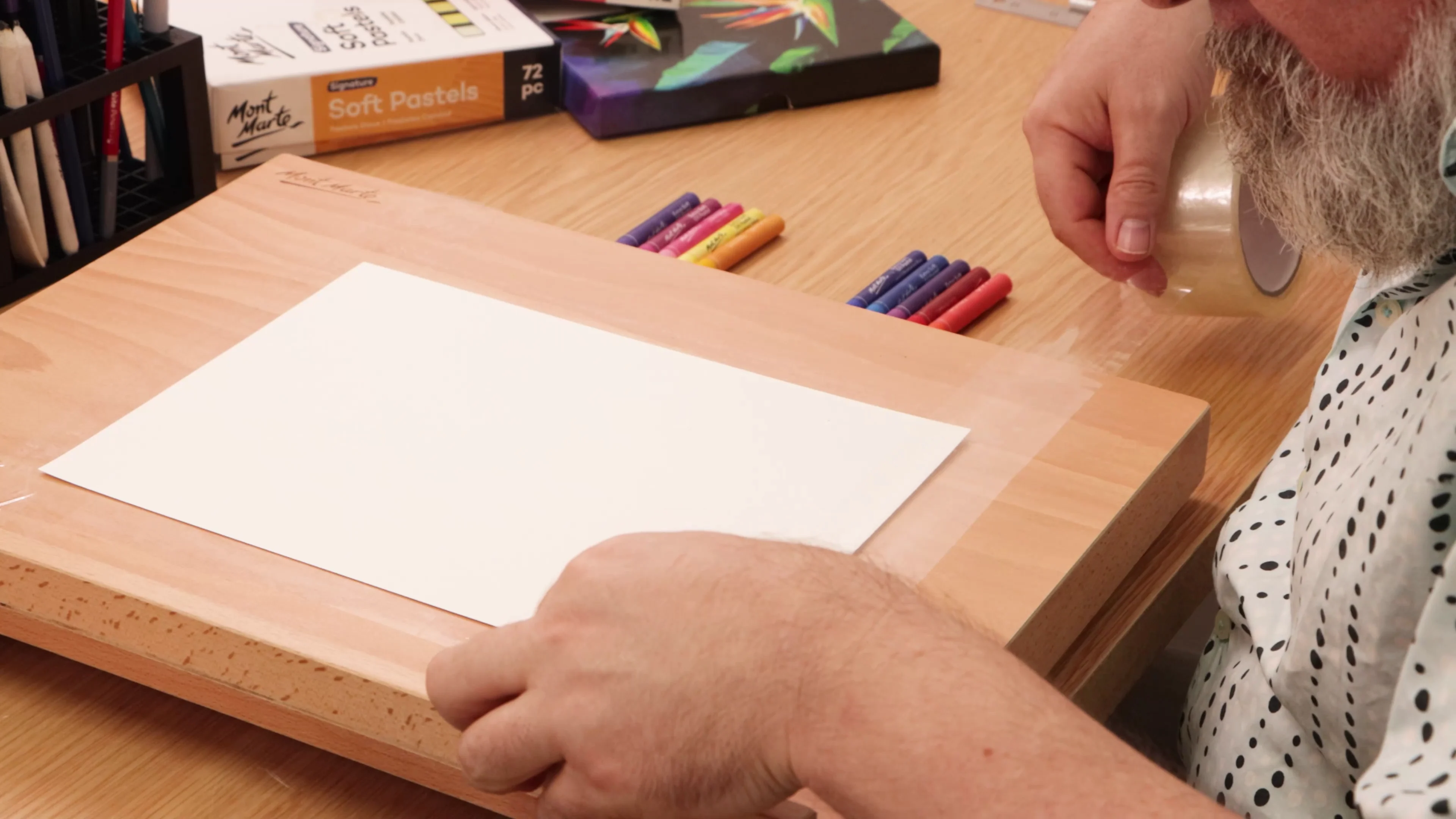
- My paper buckles badly: try a block, tape your sheet to a board, use less water, or move up to heavier paper like 300 lb. Stretching 140 lb paper also works, but it has a bit of a learning curve.
- My washes look streaky: use a larger brush, work a little faster, and make sure your wash stays evenly wet. If it still fights you, try better-sized paper (often cotton, or a higher-quality cellulose). Hot press can show streaks more readily, but press is only one part of the story.
- Everything turns muddy fast: cellulose can do this when you overwork. Try fewer passes, let layers dry fully, or use cotton for cleaner glazing.
- The surface gets fuzzy: the sizing and surface are breaking down. Use a gentler touch, avoid aggressive scrubbing, or upgrade paper quality.
- I keep getting cauliflowers (backruns): this is mostly water and timing. Try letting a wash settle before you add more water, and avoid dropping a wetter stroke into a damp, drying area unless you want the effect. More consistent paper can make backruns easier to control, but it will not remove them from the laws of physics.
Beginner combos that work
If you want a straightforward decision, pick one of these and start painting today:
- Most common starter: cellulose, 140 lb, cold press, pad
- Beginner who loves wet-on-wet: cotton, 140 lb, cold press, block
- Beginner who hates warping: cotton, 300 lb, cold press, pad
- Detail lover: cotton, 140 lb, hot press, pad
And if you want a tiny nudge from your friendly tinker: buy paper that makes you want to paint another page. The best beginner paper is the one you will actually use.
FAQ
Is 100% cotton paper necessary for beginners?
No. You can absolutely learn on cellulose. Cotton simply makes common techniques like gradients and layering easier and more consistent, especially when the sizing is good. Many beginners enjoy having both: cheap practice paper and a small cotton pad for pieces they care about.
Should I choose a block or a pad?
If buckling annoys you or you like very wet washes, a block is an easy quality-of-life upgrade. If you want the most affordable, flexible option, start with a pad and use painter’s tape to secure sheets to a board.
Cold press vs hot press: which is better for learning?
Cold press is usually the best learning surface because it balances texture, control, and forgiving washes. Hot press is excellent when you want crisp detail or ink work.
What size paper should beginners use?
A5 or 6 x 9 inches feels friendly for daily practice. 9 x 12 inches is a great standard size for learning washes without using too much paint. Very large sheets can be harder at first because they stay wet longer and require bigger brushes and more water control.