
When you are standing in the paint aisle (or staring at a cart online), watercolor and acrylic can feel like two different hobbies wearing the same name tag. One is all light and flow. The other is bold, buildable, and surprisingly crafty.
As Hobby Hearth’s copper beaver tinker, I like choices that fit together with real life: your space, your time, your tolerance for mess, and what you want to make. Let’s line these two up and see which one clicks for you.
The quick answer
Choose watercolor if you want luminous, transparent washes, you like happy accidents, and you can live with the idea that some mistakes stay visible.
Choose acrylic if you want strong color, faster layering without worrying about re-wetting, and you like being able to paint over problems until they disappear.
If you are still torn, a small starter set of each is not “indecisive”. It’s hands-on research.
Transparency and look
Watercolor: light comes through
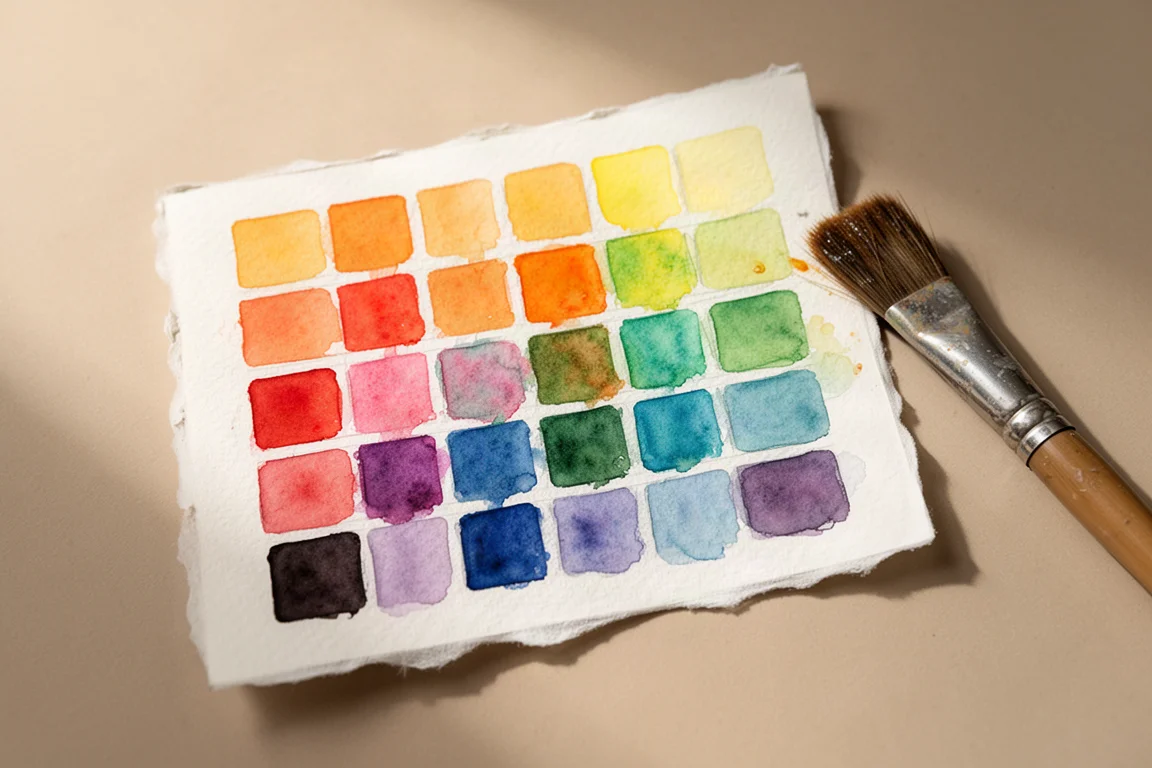
Watercolor is typically transparent. The white of the paper shines through the paint layers, which is why watercolor can look airy and bright. This also means your paper is part of the artwork, not just the surface underneath it. Some pigments lean more semi-opaque or opaque, so you can get both glow and body depending on what you choose.
- Best for: soft gradients, glowing skies, botanical studies, travel sketching, loose landscapes, delicate portraits.
- Watch out for: muddy color when you overwork areas, and “backruns” (water blooms) when water control gets away from you.
Acrylic: opaque when you want it
Acrylic can be transparent or opaque depending on how you use it, but it leans toward solid coverage. You can paint light on dark, cover an area completely, and get crisp graphic shapes without the paper showing through.
- Best for: bold illustration styles, layered paintings, abstracts, decorative projects, craft and mixed media.
- Watch out for: color can darken slightly as it dries (it varies by pigment and brand) and visible brushstrokes if you do not intend them.
Drying time and pace
Watercolor: dries fast, stays re-wettable
Watercolor wash layers can dry quickly, especially on smaller pieces. The twist is that dried watercolor can re-activate with water. That is wonderful for blending and soft edges, and tricky if you want to layer without disturbing what is underneath.
- You will like watercolor drying time if: you enjoy working in passes and letting areas dry before returning.
- You might struggle if: you want to stack many layers quickly without lifting previous color.
Acrylic: dries fast and locks in
Acrylic dries fast too, but it becomes water-resistant as it dries, then grows even more durable as it fully cures. That makes it easier to layer confidently. It can also feel like it dries before you are done blending, especially in warm, dry rooms.
- You will like acrylic drying time if: you want to block in shapes, layer highlights, and keep moving.
- You might struggle if: you want slow, buttery blending without adding tools like a retarder or using a stay-wet palette.
Fixing mistakes
Watercolor: you can lift, but only so much
Watercolor rewards planning and gentle handling. You can lift pigment (especially on good paper) while it is wet, and sometimes even when dry. But heavy scrubbing can damage paper and leave a fuzzy spot that grabs pigment.
- Quick fix: blot with a clean tissue while still wet to lighten an area.
- Reality check: a very dark stroke is hard to erase completely, and staining pigments can cling.
Acrylic: paint over it
Acrylic is famously forgiving. Once the layer is dry, you can paint right over it with opaque color. If you do not like a shape, you can change it. If your background is messy, you can reclaim it with a fresh layer.
- Quick fix: let it dry, then repaint the area with a midtone and rebuild your details.
- Reality check: too many thick layers can create texture you did not intend, and details can get bulky.
Cost
Watercolor costs
Watercolor can be affordable to start, but paper quality matters. Many beginners buy good paint and brushes, then struggle because the paper buckles, pills, or dries blotchy. Budget toward paper sooner than you think.
- Often worth spending on: 100% cotton watercolor paper (even in small pads), and a couple of dependable brushes.
- Paint longevity: pans and tubes can last a long time because you use small amounts.
Acrylic costs
Acrylic paint itself can be inexpensive, but you may use more of it, especially for coverage and larger areas. Surfaces are flexible: canvas panels, paper made for acrylic, wood, and more (usually with appropriate prep).
- Often worth spending on: a few larger tubes in primary colors plus white, and a surface you enjoy painting on.
- Paint longevity: can dry out on the palette quickly, which creates waste if you squeeze out too much.
Supplies
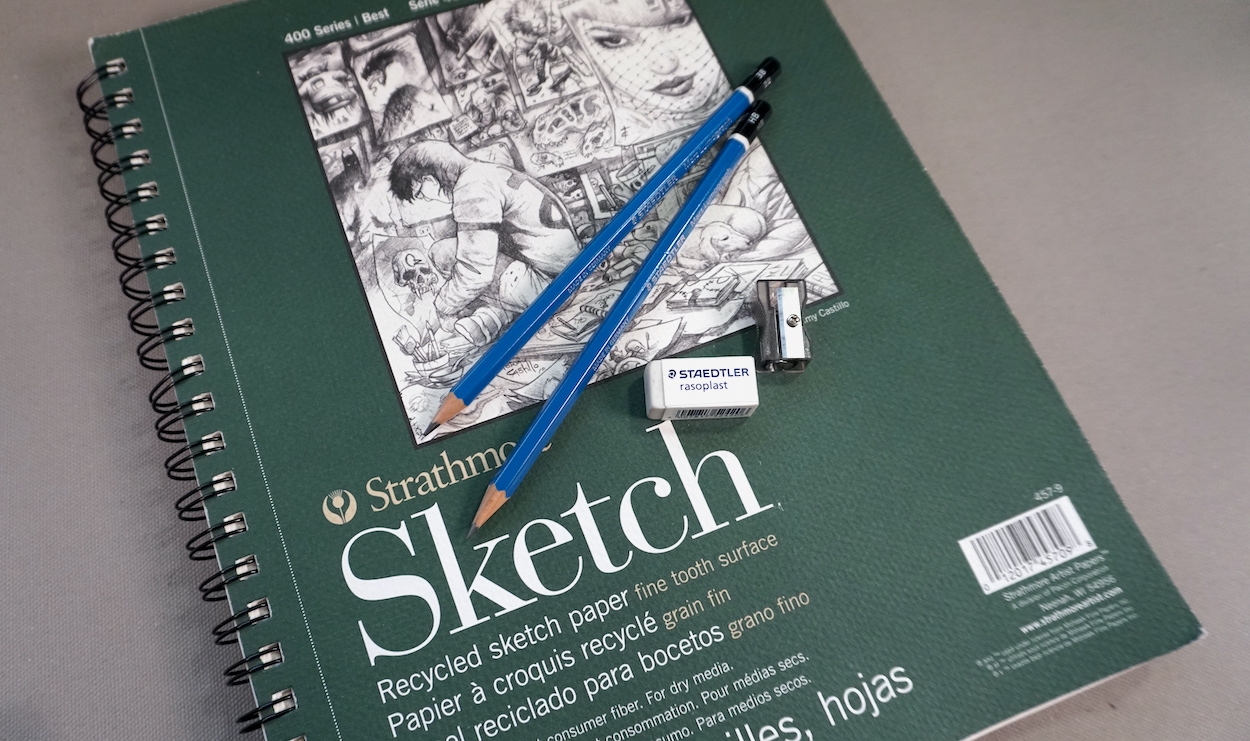
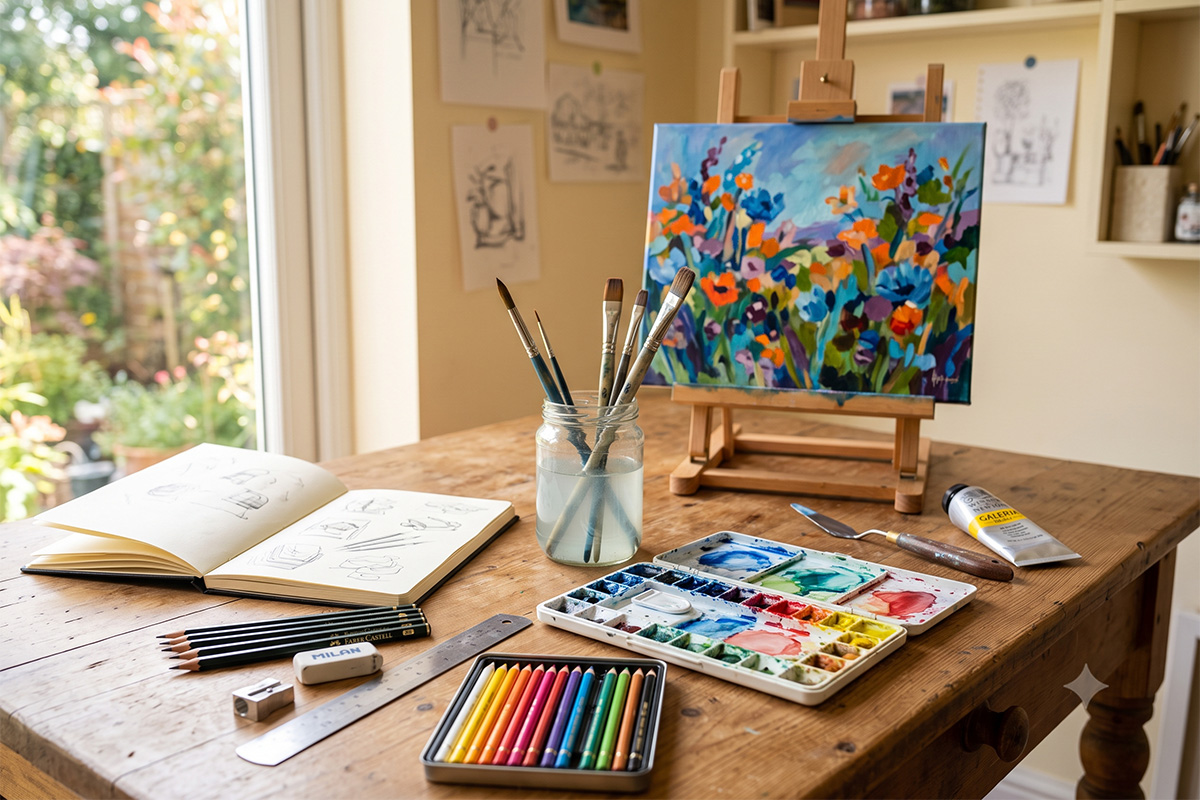
Watercolor starter kit
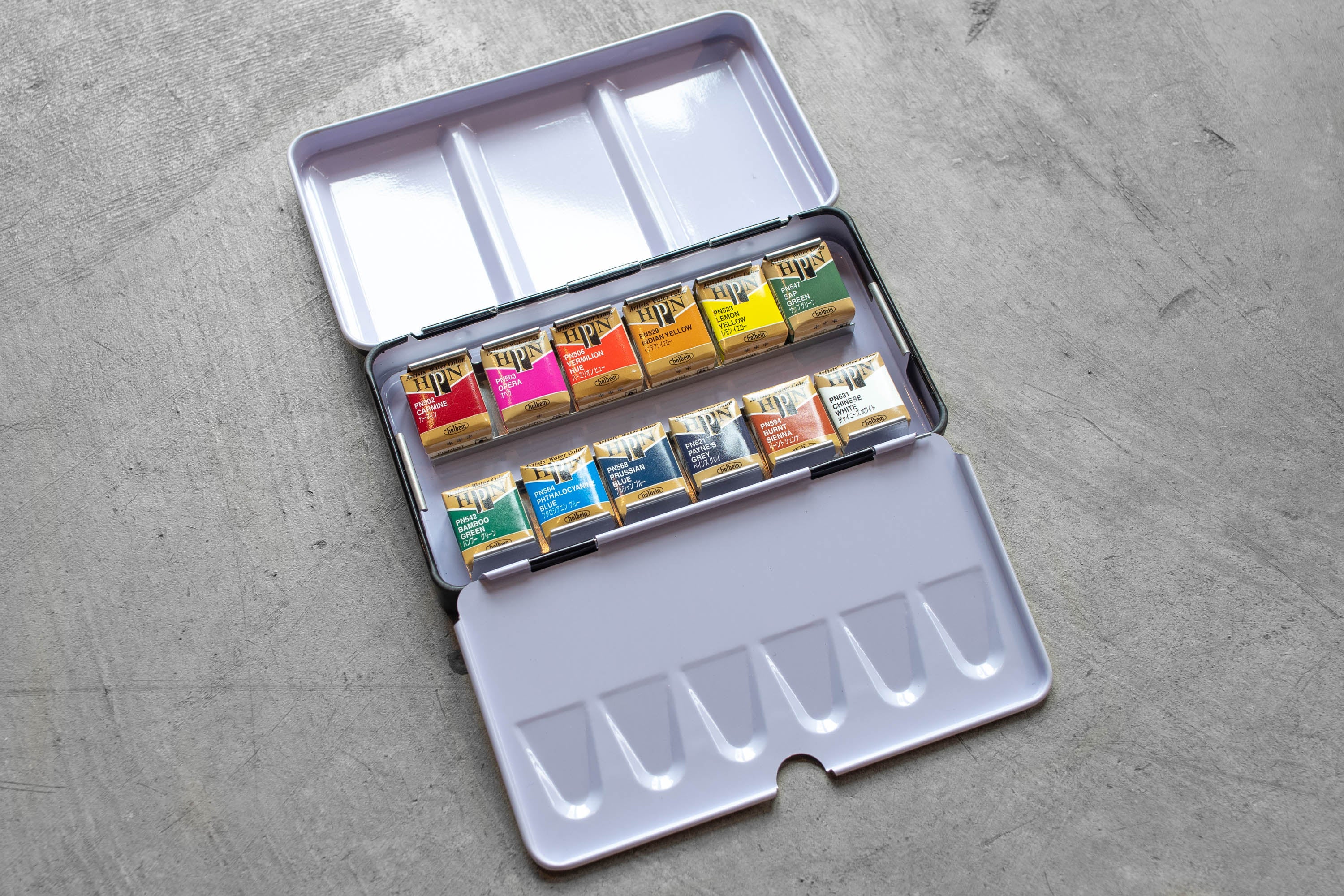
- Watercolor paint set (pan set is simple and portable)
- Watercolor paper (heavier weight reduces buckling, cotton is a joy if it fits your budget)
- 2 brushes: a round (size 6 to 10) and a larger wash brush or bigger round
- Two water cups (one for rinsing, one for clean water)
- Paper towel or cloth for blotting and brush control
- Optional: masking tape and a board for taping down paper
Acrylic starter kit
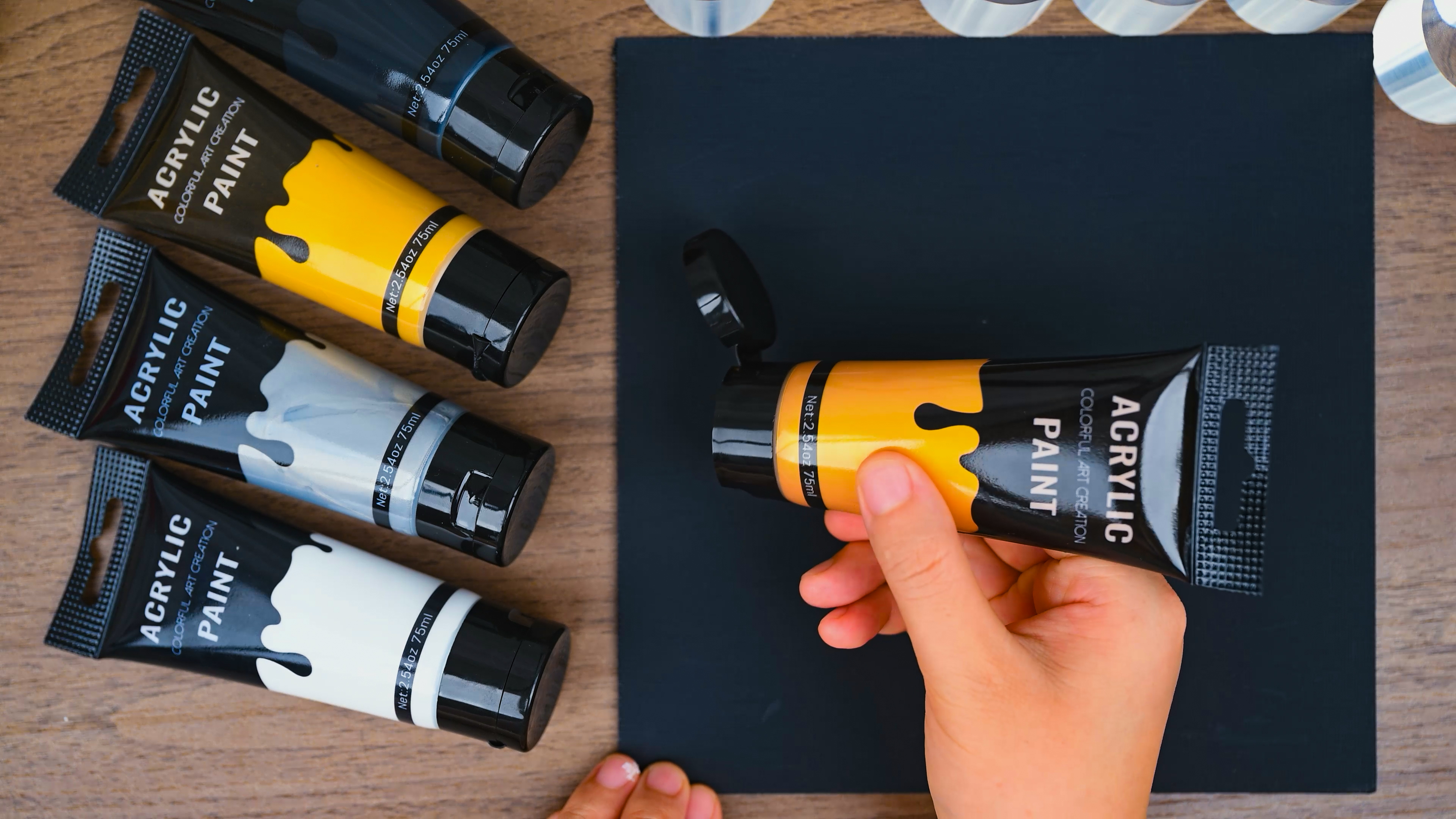
- Acrylic paint (a limited palette is enough: a warm and cool primary plus white, and maybe a black or burnt umber)
- Surface: canvas panel, acrylic paper, or primed wood
- Brushes: a flat brush, a medium round, and a small detail brush
- Palette (plastic or paper palette pad)
- Water cup and rag or paper towels
- Optional: stay-wet palette, palette knife, and basic gesso for priming
Cleanup
Watercolor cleanup
Watercolor is one of the easiest mediums to clean up. Rinse brushes, wipe a palette, and you are done. Dried paint reactivates, so you can reuse what is left on the palette next time.
Acrylic cleanup
Acrylic is still water-based, but it dries into a plastic film. That means cleanup needs to happen promptly. If acrylic dries in a brush, it can ruin the bristles.
- Good habit: rinse often while painting, and wash with mild soap at the end.
- Surface caution: acrylic can permanently stick to clothing and some tables. A simple table covering goes a long way.
Finish and display
Watercolor: usually behind glass
Most watercolor pieces live happily on paper, then get framed behind glass (or kept in a sketchbook). If you love the idea of gifting, hanging, or keeping work clean for years, this “where will it live” detail matters.
Acrylic: open air, optional varnish
Acrylic dries into a flexible film, so it can be displayed without glass on canvas, wood, or panel. Many artists varnish acrylic paintings for an even finish and extra protection, but it is not a day-one requirement.
Lightfastness basics
Both watercolor and acrylic can last beautifully, but permanence depends on the pigments. If your work will be displayed in bright light, look for paints labeled “lightfast” or check the brand’s lightfast ratings. As a tinker rule, I would rather have a small set of reliable colors than a big set of mystery dyes.
What each is best at
Choose watercolor if you want
- Glowing color and transparent layers
- Soft edges, blooms, and expressive textures
- Portable painting and quick sketching sessions
- A medium that feels like learning water control and timing
Choose acrylic if you want
- Bold coverage and strong contrast
- To work from dark to light easily
- To repaint, revise, and iterate without fear
- A medium that plays well with crafts and mixed media
If you are a beginner who...
...gets discouraged by mistakes
Start with acrylic. Being able to paint over a problem keeps momentum high, and momentum is a beginner’s best tool.
...loves looseness and happy accidents
Start with watercolor. The medium has a mind of its own in the best way, and you can learn to steer it gently.
...has limited time per session
Either works, but consider your setup and teardown. Watercolor tends to win for quick cleanup. Acrylic wins if you want to come back later and not re-wet the previous layer by accident.
...wants to paint on lots of surfaces
Acrylic is more flexible across surfaces (with sensible prep). Watercolor really wants watercolor paper to behave.
One-hour experiment
If you can, borrow or buy the smallest set of each. Then do the same mini-project twice:
- Paint a single leaf shape with a light-to-dark gradient.
- Add a second layer after it dries.
- Make one intentional “mistake” (a dark streak) and try to fix it.
Your reaction is the answer. If you loved the glow and the water behavior, watercolor is calling. If you loved the control and the cover-up power, acrylic is your friend.
Beginner FAQs
Is watercolor harder than acrylic?
Watercolor often feels harder at first because it is less forgiving and relies on water control. Acrylic can be easier early on because you can repaint mistakes. Both can become complex as your skills grow.
Do I need expensive supplies to start?
No. You do need decent paper for watercolor and decent brushes for acrylic (so they do not shed and fight you). A small, well-chosen kit beats a huge bargain set.
Can I use acrylic on watercolor paper?
Yes, especially thicker watercolor paper. It may warp if you use a lot of water or heavy paint, but it is a perfectly fine beginner surface for acrylic studies.
Can I use watercolor on canvas?
Not in the usual way. Watercolor needs absorbent paper to behave. There are specialty watercolor grounds and watercolor canvases, but those are optional adventures for later.
Which is better for kids?
For easy cleanup and low fuss, watercolor is friendly. For bright color and “paint over it” confidence, acrylic can be great with supervision. Look for paints labeled non-toxic, keep lids on, rinse brushes promptly, and crack a window if you are painting for a long stretch.
My tinker’s takeaway
Watercolor is a partnership with water and paper. Acrylic is a toolkit for building layers and fixing course as you go. If your beginner goal is light and flow, go watercolor. If your beginner goal is control and coverage, go acrylic.
Either way, you are not choosing a personality test. You are choosing your next spark. Make something. Find your next spark.