
Walking into the yarn aisle can feel a little like walking into an ice cream shop with 72 flavors. You came in for “something cozy,” and suddenly you are reading labels like a detective: acrylic, cotton, wool, superwash, mercerized, blends… and why do half the skeins feel like cloud fluff while the other half feel like a sturdy dish towel?
Here is the good news: choosing yarn fiber is less about “best” and more about best for this particular project. Acrylic, cotton, and wool each have quirks, strengths, and a few deal-breakers. Once you know what they do, you can pick confidently and get back to the fun part: the making.
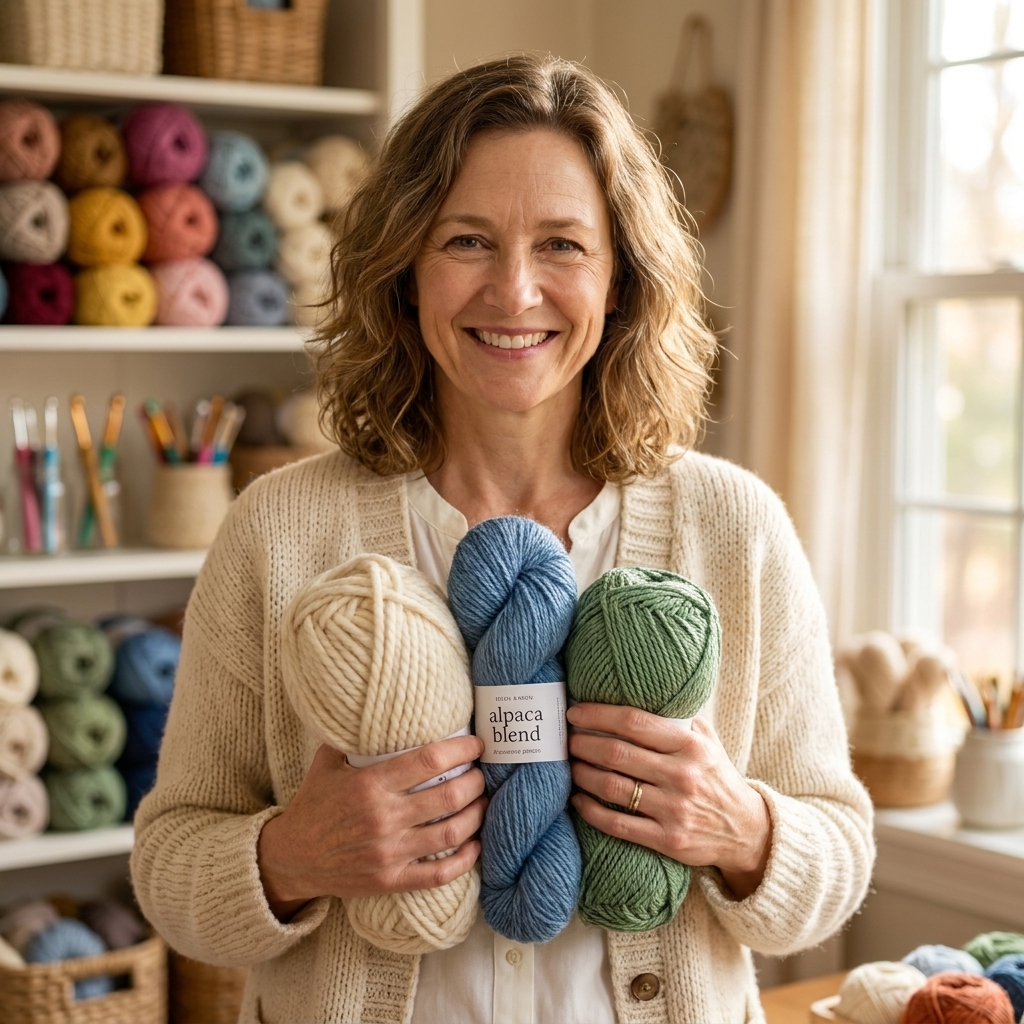
Meet the three fibers
Think of these fibers as three very different houseguests.
- Acrylic is low-maintenance, budget-friendly, and shows up ready for anything.
- Cotton is dependable, cool, and structured, but not particularly interested in being cuddly.
- Wool is warm, springy, and a little high-touch, but it rewards you with comfort and beautiful stitch definition.
Before we compare them, keep two crochet truths in mind:
- Fiber affects gauge and drape. Two yarns labeled the same weight can behave very differently depending on fiber, twist, and ply.
- Care matters. “Can this be machine-washed?” is not a boring question. It is the difference between a beloved blanket and a “display only” blanket.
Acrylic yarn
Acrylic is a synthetic fiber, most often made from polyacrylonitrile (PAN) or similar acrylic blends. In crochet, it is popular for a reason: it is affordable, widely available, and comes in colors that make your inner magpie very happy.
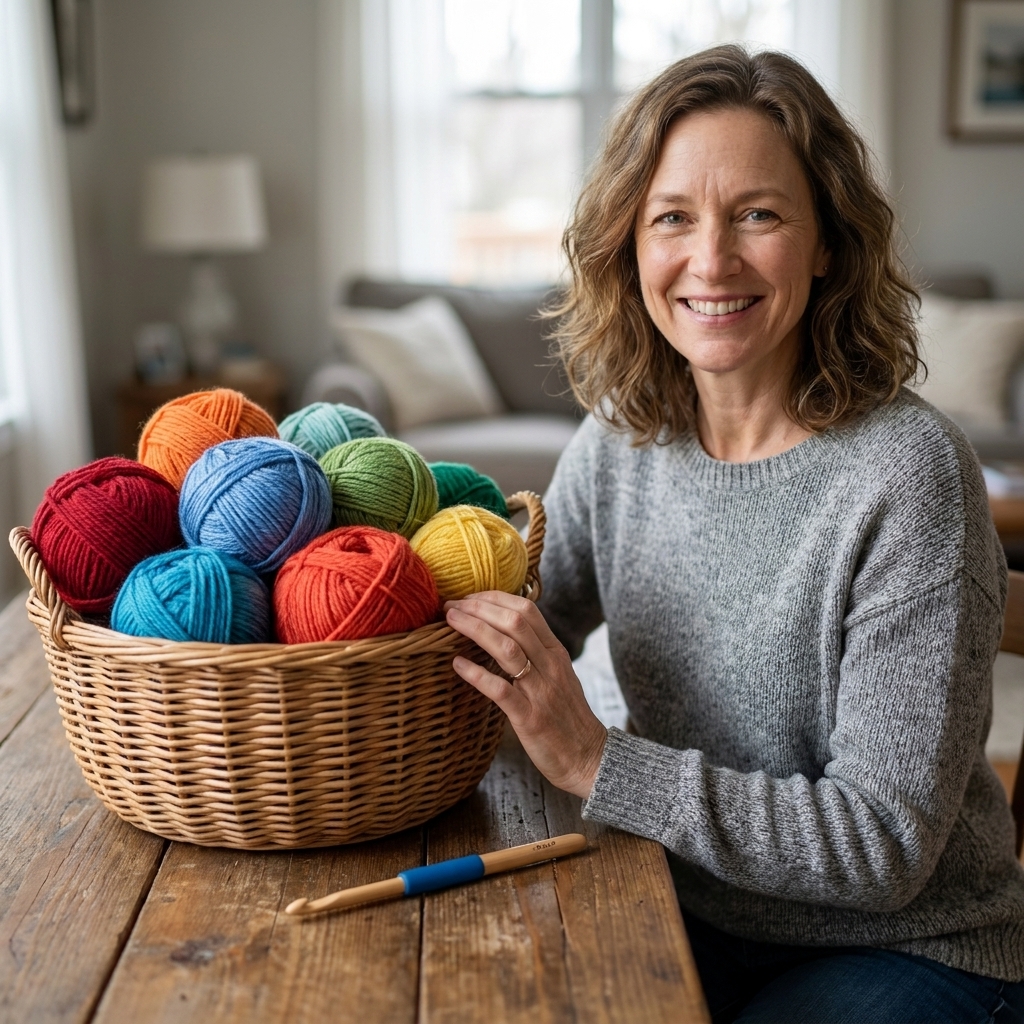
Best reasons to choose acrylic
- Easy care: Many acrylics are machine washable and dryable, but always check the label. Great for family use and gifts.
- Budget-friendly: Ideal when you are making a large blanket or practicing a new stitch.
- Color variety: Bright solids, speckles, long color changes, and novelty textures are everywhere.
- Allergy-friendly for many: No animal fiber, and typically less “scratch” than rustic wools.
Trade-offs (the “why does this feel like that?” section)
- Less breathable: Acrylic can feel warm and sometimes a bit clammy in garments.
- Can pill: Frequent friction (sleeves, underarms, blanket edges) can create fuzz balls over time.
- Heat sensitivity: High heat can melt or deform fibers. Keep it away from hot irons and very hot dryers.
- Texture varies wildly: One acrylic can feel buttery soft, another can feel squeaky. Touch before you commit.
Best use-cases for acrylic
- Blankets and throws that will be washed often
- Kids’ items (stuffies, hats, scarves) that need easy care
- Charity projects where durability and washability matter
- Amigurumi when you want affordable yarn in lots of colors
Tip: If an acrylic feels a little stiff in the skein, it often softens after a wash. Make a small swatch and launder it the way you plan to launder the finished piece.
Cotton yarn
Cotton is a plant fiber. It is cool, absorbent, and generally strong, though the feel and durability can vary by yarn quality and how it is spun. It also has a personality: cotton does not “bounce back” the way wool does, so your stitches will sit where you put them.
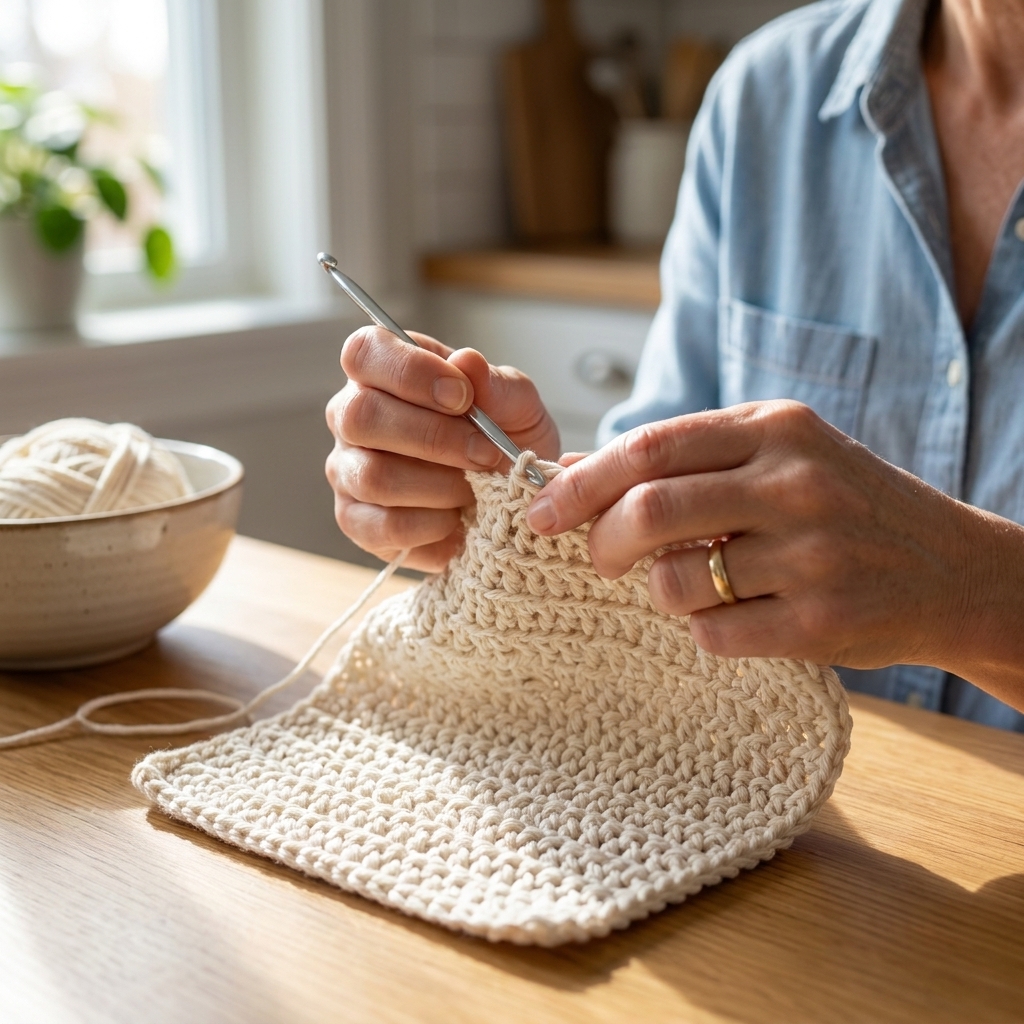
Best reasons to choose cotton
- Breathable and cool: Wonderful for warm-weather wearables.
- Great stitch definition: Texture patterns pop.
- Absorbent: Perfect for kitchen and bath items.
- Strong: Holds up well to use, especially for home goods.
Trade-offs to plan for
- Heavier drape: Cotton garments can feel weighty, and larger pieces can stretch with gravity.
- Less elasticity: It can be harder on hands because the yarn does not “give” much while you crochet.
- Can shrink or grow: Some cottons shrink a bit; others relax and lengthen. Swatching and washing matter here.
- Surface can look worn: Frequent washing can make cotton look a little faded or fuzzy over time, depending on the yarn.
Best use-cases for cotton
- Dishcloths, washcloths, potholders (note: avoid acrylic near heat, since it can melt)
- Market bags and totes that need strength
- Summer tops and lightweight cardigans when you want breathability
- Amigurumi when you want crisp stitches and a firmer fabric
Tip: For wearables, look for cotton blends (like cotton with a bit of bamboo, linen, or even acrylic) if you want some softness or reduced weight without losing that lovely stitch clarity.
Wool yarn
Wool is an animal fiber, most commonly from sheep. It is naturally insulating, breathable, and springy. That springiness is why wool feels so kind to crochet hands and why ribbing and fitted shapes tend to behave better in wool than in cotton.
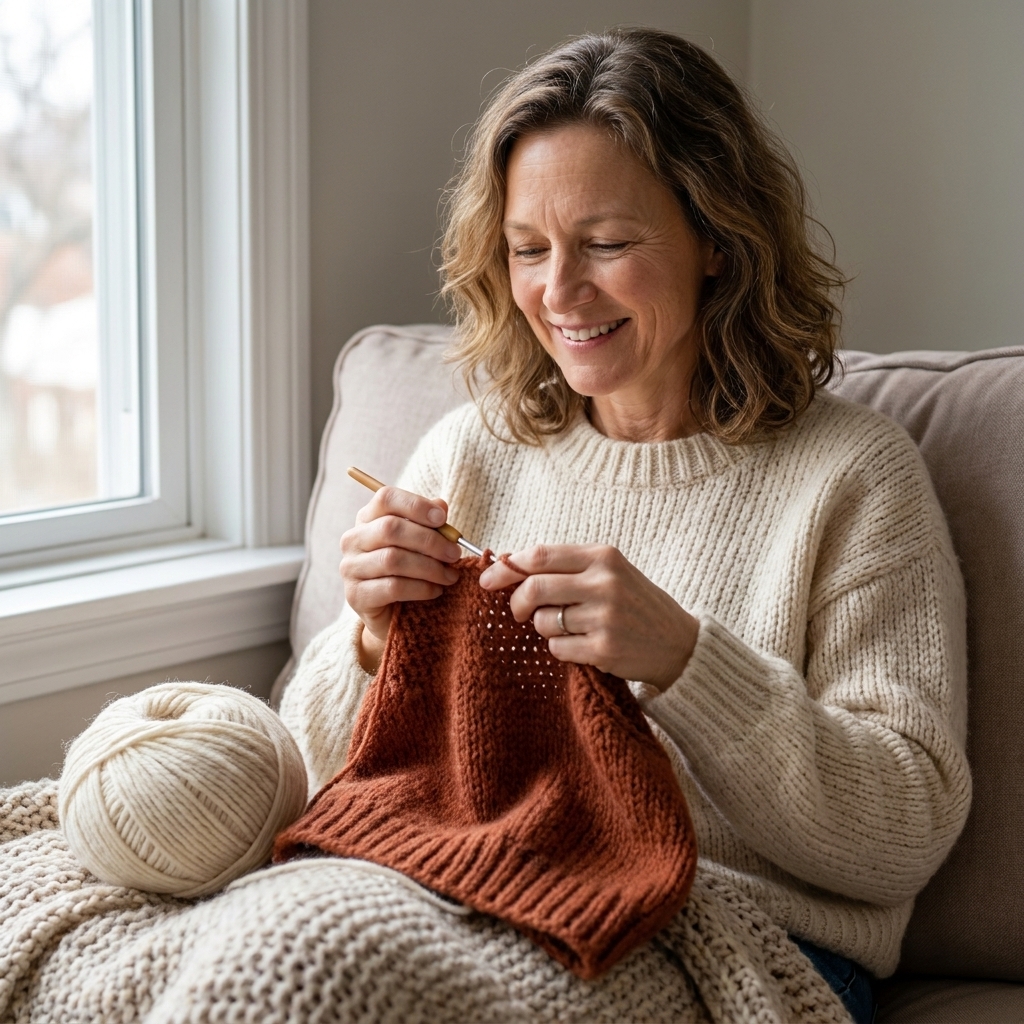
Best reasons to choose wool
- Warmth without suffocating: Wool insulates but can still breathe.
- Elasticity: Great for hats, cuffs, and garments that need to bounce back.
- Comfort in wearables: Many modern wools are very soft, especially merino and well-processed blends.
- Great blocking results: Wool responds beautifully to blocking, helping stitches even out.
Trade-offs to know upfront
- Care requirements: Many wools prefer gentle washing and air drying unless labeled superwash.
- Sensitivity or itch: Some people find wool scratchy or irritating, especially on the neck.
- Cost: Wool is often pricier than acrylic and basic cotton.
- Felting risk: Heat, agitation, and moisture can felt non-superwash wool.
Best use-cases for wool
- Hats, mittens, socks, scarves where warmth and elasticity matter
- Sweaters and cardigans that need shape and drape
- Heirloom blankets or special gifts where cozy luxury is the goal
- Textured stitches where you want dimension without heaviness
Tip: If you love the idea of wool but fear the laundry, try a superwash wool. It is treated to reduce felting and is often machine washable (still check the label for drying instructions). Also note: some superwash wools can relax and “grow” a bit with washing, so a washed swatch is extra helpful.
Blends (the best of both worlds)
If 100% anything feels like a commitment, blends are your low-stress middle path. They are incredibly common in crochet because they combine strengths and sand down rough edges.
- Wool and acrylic: Warmer and springier than pure acrylic, easier care and often less expensive than pure wool. Great for hats, scarves, and everyday sweaters.
- Cotton and acrylic: Lighter and sometimes softer than pure cotton, with better elasticity and often faster drying. Great for summer garments, baby items, and blankets that need easy care.
- Cotton with linen or bamboo: Beautiful drape and breathability for warm-weather makes, though it can be a little splitty and may soften a lot after washing.
Blend rule of thumb: if you love how a fiber behaves but hate how it feels to crochet or care for, look for a blend that fixes the one thing you are side-eyeing.
Quick comparison
If you are substituting yarn in a pattern, this is the part to pay attention to. Fiber changes how the finished fabric behaves, even when the hook size and yarn weight are the same.
- Drape: Cotton tends to hang heavier, wool tends to drape with spring, acrylic varies by yarn construction.
- Stretch and recovery: Wool usually wins. Acrylic can stretch and sometimes stay stretched. Cotton stretches and often stays stretched.
- Warmth: Wool is often the warmest-feeling per weight, acrylic can be warm but less breathable, cotton is usually the coolest.
- Stitch definition: Cotton and many wools show crisp stitches. Some fuzzy acrylics blur texture.
- Durability: Cotton is tough for home goods, acrylic is durable for everyday use, wool can last ages when cared for gently.
- Care: Acrylic is often easiest, cotton is generally straightforward, wool varies widely.
Yarn for garments
Garments are where fiber choice feels the most “make or break,” because you are dealing with drape, stretch, and comfort against skin.
Pick acrylic when
- You want easy-care sweaters for kids or frequent washing.
- You are making a first sweater and want to keep the budget low.
- You want bright colors or a fun gradient.
Watch-outs: Acrylic sweaters can run warm and may pill at underarms. Choose a smoother, higher-quality acrylic for better wear.
Pick cotton when
- You are making a summer tee, tank, or beach cover-up.
- You want a structured shape and crisp stitches.
Watch-outs: Cotton can grow longer with wear. Consider patterns with positive ease carefully, and do a washed swatch so you know what the fabric wants to do.
Pick wool when
- You want warmth, softness, and comfortable stretch.
- Your pattern relies on ribbing, fitted cuffs, or a snug neckline.
- You plan to block the finished garment for a polished look.
Watch-outs: Check itch factor and care needs before you commit. If it is going to live on a chair because it is “too precious to wash,” that is not a win.
Yarn for amigurumi
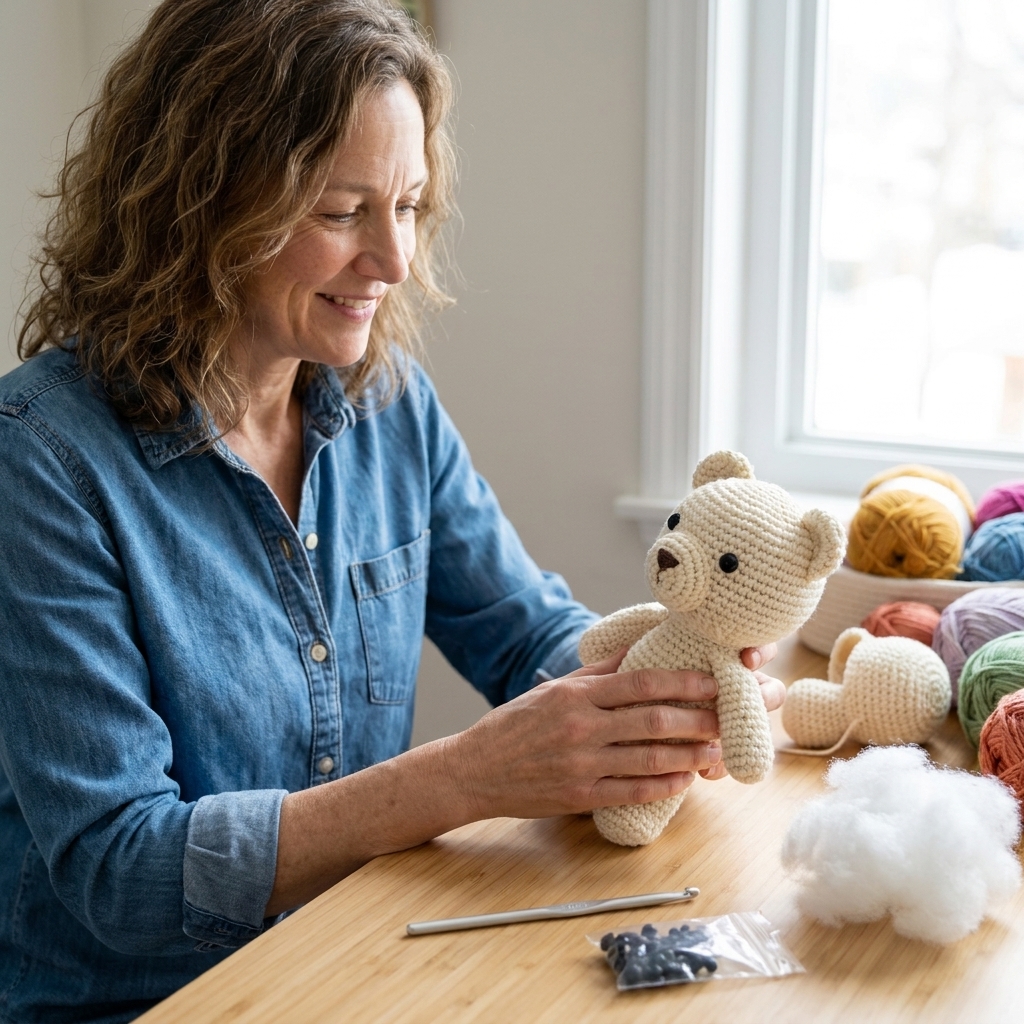
Amigurumi is its own little world. You want stitches that are tight, shapes that hold, and a fabric that does not split while you are wrestling in the stuffing.
Acrylic for amigurumi
- Why it works: Affordable, lots of colors, easy to wash, and widely available in consistent lines.
- Potential downside: Some acrylics split. Choose a yarn with good twist and avoid super-fuzzy novelty yarn for your first few toys.
Cotton for amigurumi
- Why it works: Crisp stitches and sturdy shapes. Great for small details and clean edges.
- Potential downside: Less stretch can mean more hand strain. Take breaks and consider an ergonomic hook.
Wool for amigurumi
- Why it works: Springy and pleasant to crochet; can create a soft, cuddly finish.
- Potential downside: Care and sensitivity. If it is for a child, wool may be too precious or too itchy. Also, some wools fuzz and soften edges, which can hide fine details.
Safety note: If you are making a toy for a child under 3, skip safety eyes and anything that can come loose. Embroidered eyes are the safer choice.
My default suggestion for most beginners: start with a smooth acrylic or a smooth cotton in a light color so you can see your stitches clearly.
Project cheat sheet
If you want the quickest possible answer, here is my “yarn fiber shorthand” for common crochet projects.
- Baby blanket: acrylic, cotton-acrylic blend, or superwash wool (easy care is king)
- Everyday throw blanket: acrylic or a wool-acrylic blend
- Heirloom blanket: wool or a wool blend
- Dishcloths and washcloths: cotton
- Potholders: 100% cotton or wool, crocheted very tightly and preferably doubled up. Use caution, since no crochet potholder is truly heat-proof.
- Summer top: cotton, linen, bamboo blends, or cotton blends
- Winter hat: wool or a wool blend (acrylic works if you need easy care)
- Scarf for sensitive skin: soft acrylic, superwash merino, or a gentle blend
- Amigurumi: acrylic or cotton
- Market bag: cotton or cotton-linen blend
Final checklist
- What is the item’s job? Warmth, absorbency, structure, stretch, softness?
- Who will use it? A baby, a pet, a friend who washes everything on hot, you with delicate-skin preferences?
- How will it be washed? If you already know it will be machine washed, eliminate high-maintenance yarns now.
- Do you need stretch? If yes, lean wool or an elastic blend. If no, cotton is fine.
- Do you want crisp texture? Cotton and many wools shine. Some acrylics blur stitches.
- Swatch and wash when fit matters. It is not punishment. It is future-you being kind to current-you.
FAQ
Is acrylic yarn bad for crochet?
Not at all. Acrylic is a practical, accessible fiber that makes crochet more affordable and more washable. The key is matching it to the project and choosing a quality acrylic when you want softness and better wear.
What yarn is best for beginners?
A smooth, medium-weight (often “worsted” or “aran”) acrylic is a very friendly starting point. It is easy to find, easy to frog, and easy on the budget. Cotton is also great if you prefer a firmer feel and clearer stitch definition.
What is best for amigurumi: cotton or acrylic?
Both work beautifully. Choose cotton for crisp stitches and firm shapes, and choose acrylic for affordability, softness, and easy washing. If the toy will be loved hard and laundered often, acrylic is usually the low-stress pick.
Does wool always mean itchy?
No. Wool softness depends on the type of wool and how it is processed. Merino and many modern wool blends can be very soft. If you are sensitive, test by holding the yarn against your neck or inner wrist before buying enough for a garment.
What does “superwash” mean?
Superwash wool has been treated to reduce felting and make it easier to wash. Many superwash yarns are machine washable, but always check the label for drying instructions, since heat can still cause trouble.
What is mercerized cotton?
Mercerized cotton is cotton that has been treated for more sheen and often a smoother, firmer feel. It can give beautiful stitch definition and a polished look, especially for bags and summer tops.
A gentle closing nudge
If you are still torn, pick the fiber that fits your real life, not your fantasy life. The “best” yarn is the one that will get used, washed, hugged, and enjoyed. Crochet is already doing enough. Your yarn should help, not complicate.
If you want, tell me what you are making and who it is for, and I will help you choose between acrylic, cotton, wool, or a blend.