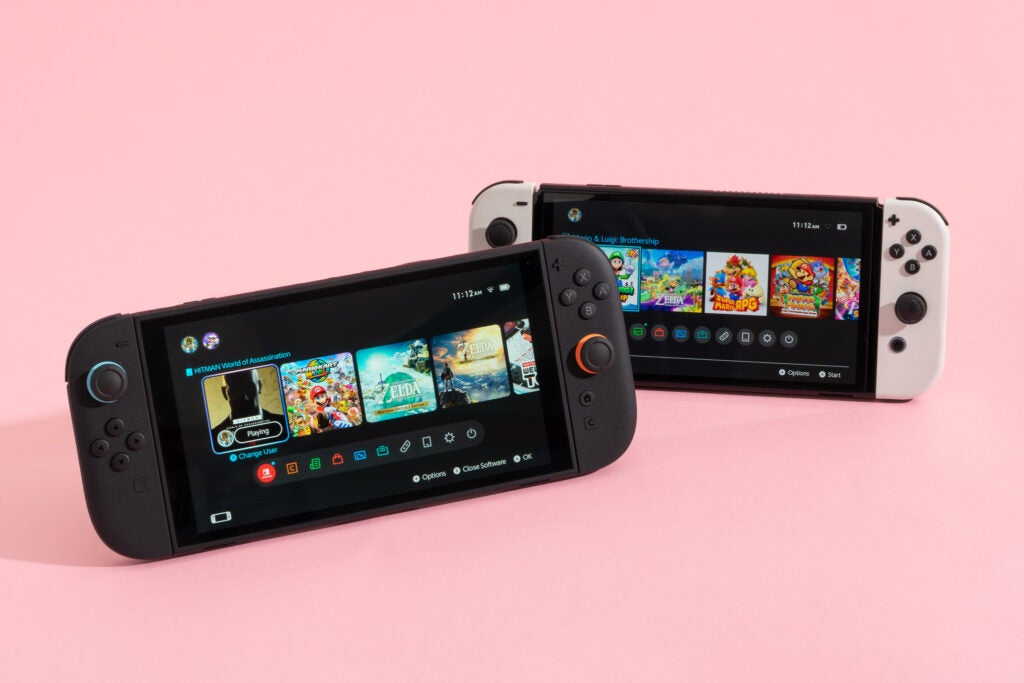
I have a soft spot for “firsts” in hobby land. First knit stitch. First tomato harvested from a balcony pot. First time you open a new sketchbook and realize you are allowed to be terrible in it. The Nintendo Switch 2’s first public jailbreak is a very different kind of first, but it taps into the same curious impulse: people want to see what a new thing can really do when you take the training wheels off.
And that is the real story behind the current Switch 2 jailbreak chatter. Yes, a jailbreak can be misused. But it is also a security milestone, a technical proof that the console’s defenses are already being tested, and the opening move in a long cat and mouse game between researchers, modders, and Nintendo.
What people mean by “Switch 2 jailbreak”
When someone says a console is “jailbroken,” they usually mean a method has been found to bypass restrictions the manufacturer uses to control what software can run and how the system behaves. In practical terms, a jailbreak can make it possible to run unsigned code, which is the umbrella that covers a lot of different activities.
That range is important. Online conversations love to collapse everything into one messy word, but in real life “jailbreak” can point to several different goals:
- Homebrew: fan made apps, utilities, emulators, and experiments that are not officially licensed.
- Mods: changes to existing games, from cosmetic tweaks to gameplay experiments.
- Research and testing: security folks validating weaknesses, documenting them, and learning how the platform works.
- Piracy: the piece that gets the most attention and the fastest crackdowns.
The current moment is being treated as the first time the Switch 2 has been publicly jailbroken, which makes it a big deal even before you get into what anyone uses it for. New hardware is supposed to be the hardest hardware to compromise. When the lock gets picked early, it becomes a story about how good the lock really was.
Why this matters so early in a console’s life
Every new console generation arrives with a familiar promise: better performance, new features, and stronger protections. Nintendo, like every platform holder, wants a stable ecosystem where games run as intended, cheating is minimized, and the storefront remains the primary route for software distribution.
A public jailbreak immediately pressures all three of those goals. Even if only a small group can actually pull it off at first, it shifts the conversation from “maybe someone will break this eventually” to “someone already did.” That is why early jailbreaks tend to spark:
- A rush of experimentation as curious tinkerers test what is possible.
- A burst of copycat guides, not all of them accurate or safe.
- A response cycle where the manufacturer looks for ways to patch, detect, or deter the technique.
If you have ever watched two people play chess very quickly, that is the vibe. Once the first opening move is on the board, everything else starts happening faster.
The $25 eShop prerequisite wrinkle
One detail fueling the discussion is an unusual prerequisite: chatter that participation involves a $25 purchase on the eShop. That is a specific number being repeated in connection with the jailbreak’s current “how do I try it?” pathway.
Why would an exploit have a price tag attached to it at all? There are a few non mutually exclusive possibilities in scenes like this, and the reason matters because it changes how you should interpret what you are seeing:
- Access gating: sometimes steps are deliberately annoying or costly to slow down mass adoption.
- A required app or entry point: the purchase might be tied to a particular software condition that makes the exploit easier to trigger.
- Short lived setup: prerequisites like this often disappear once people find alternative routes or once patches roll out.
Either way, a weird paywall shaped requirement is one reason I encourage a deep breath before anyone rushes to “just try it.” Early stage jailbreaks are where rumors, scams, and half working instructions thrive.
What a jailbreak can enable beyond the piracy conversation
In hobby spaces, motivation is rarely singular. Some people like to “solve” a system because it is there. Others want customization. Some want accessibility tools or quality of life improvements that official software never prioritized.
And yes, some people want free games. That is the part that tends to dominate public debate, but it is not the only reason jailbreaking becomes culturally sticky.
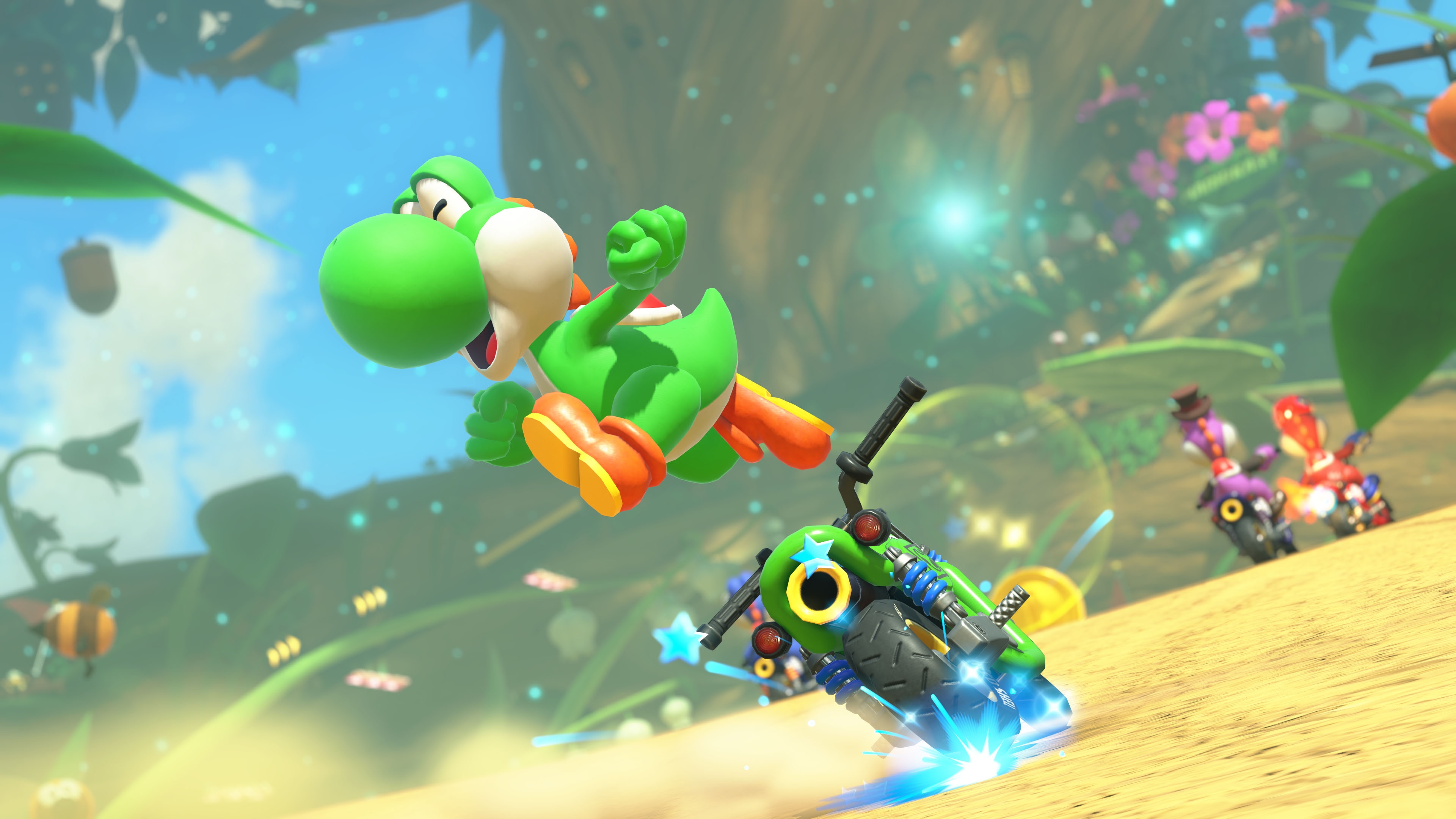
One early example tied to the Switch 2 jailbreak conversation is game specific modifications, including talk that Mario Kart World tweaks may now be possible. That does not automatically mean wild new content overnight. Early mods are often small: changing values, swapping assets, testing what files can be touched. But it signals a direction, and that is why people get excited.
The security cat and mouse game Nintendo is likely to play
Once a jailbreak method becomes public, platform holders typically move quickly to protect the system. The exact response can vary, but the goals are usually consistent:
- Patch the entry point so the same technique stops working on updated systems.
- Reduce repeatability by changing how the vulnerable component behaves.
- Protect online play by looking for signs of tampering when a console connects to services.
- Discourage distribution by tightening policies, enforcement, or both.
That last piece is where the “hobby curiosity” energy can crash into reality. Even if you personally only care about homebrew and tinkering, the bigger ecosystem includes online multiplayer, digital purchases, and a company that has a strong incentive to make unauthorized modifications inconvenient.
What I would tell a curious hobbyist before they touch anything
I am all for learning how things work. I am also a former librarian, which means my brain automatically starts filing risks into neat little folders. If you are tempted to experiment with a brand new console jailbreak, these are the big questions to sit with first:
1) What do you actually want out of it?
If your answer is “I want to tinker,” that is different from “I want a shortcut to a library of paid games.” The first tends to attract research minded communities. The second attracts trouble fast.
2) Are you okay with breaking your own stuff?
Early jailbreak methods are often fragile. Even when people describe them confidently, that does not mean they are safe or consistent across devices. You have to be comfortable with the possibility that you end up with an expensive paperweight.
3) Are you okay with losing online functionality?
Console ecosystems are connected ecosystems. Tampering can lead to service restrictions. If online play is the heart of how you enjoy a game, that risk is not a footnote.
4) Is that $25 step a red flag for you?
It might be a legitimate requirement tied to the exploit’s current pathway. It might also be a sign that things are still messy and shifting. At minimum, it suggests this is not yet a smooth, mainstream process.
So what happens next?
In the near term, expect two tracks to run in parallel:
- Experimentation: people exploring what the jailbreak can do, including early homebrew and early mods.
- Hardening: Nintendo working to close doors, reduce impact, and keep the platform stable.
If you like tech stories because they reveal how products are built, this is a fascinating moment. A jailbreak is not just a trick. It is evidence that even new, tightly controlled hardware gets probed immediately, and that the boundary between “consumer gadget” and “research target” is thinner than most of us realize.
And if you are reading this as a hobbyist, here is my gentlest nudge: you do not have to jump on every new frontier the second it opens. Curiosity is not a race. Sometimes the wisest way to be a beginner is to watch, learn the vocabulary, and let the dust settle before you pick up your tools.
Quick FAQ
Is the Nintendo Switch 2 really jailbroken already?
The current conversation centers on what is being treated as the first public jailbreak of the Switch 2, with demonstrations spreading online.
Does “jailbreak” automatically mean piracy?
No. A jailbreak can be used for piracy, but it can also enable homebrew apps, experimentation, and game modifications.
What is the deal with the $25 eShop requirement?
People discussing the jailbreak have pointed to a $25 eShop purchase as part of participating right now. That kind of prerequisite can be tied to the current entry point or may change as the situation evolves.
Are mods like Mario Kart World tweaks part of this?
Yes, early discussion includes the possibility of Mario Kart World modifications, which is one reason the jailbreak has hobbyist and modder attention beyond the usual security crowd.