
My favorite thing about home bartending is that it gives you permission to be a beginner again. You get to tinker, taste, adjust, and learn with low stakes and high rewards. The only “secret” the pros have is consistency, and that comes from having a few reliable tools that do the same job every time.
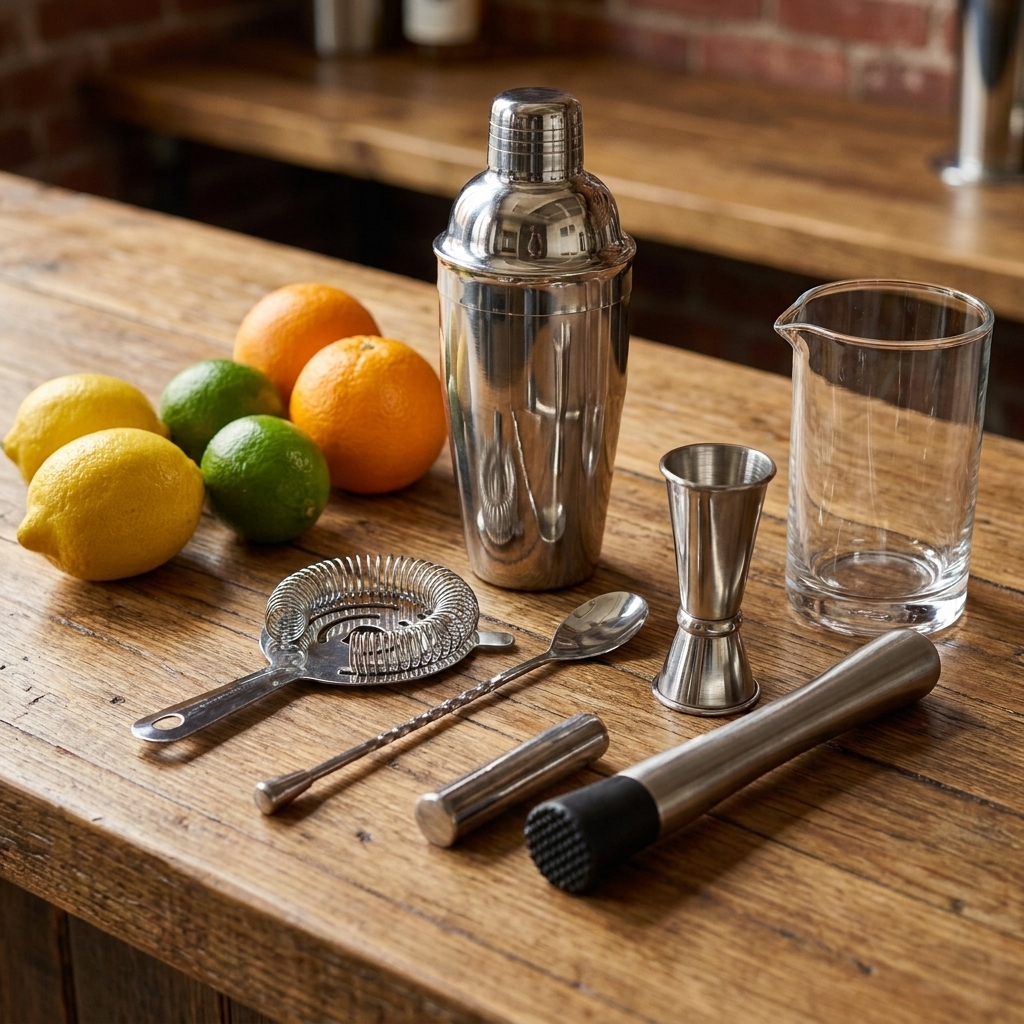
Below are the 10 essential mixology tools I recommend for a pro-feeling home bar, plus what to look for so you do not end up with a drawer full of fussy gadgets you never touch.
1) Cocktail shaker
If you want one tool that instantly makes you feel like you know what you are doing, it is a shaker. Use it for drinks with juice, citrus, cream, egg white, or anything that needs aeration and fast chilling.
What to buy
- Cobbler shaker (3-piece with built-in strainer): beginner-friendly and tidy, but can sometimes stick when very cold.
- Boston shaker (2-piece): the bar standard and often easier to open once you learn the tap-and-twist. Tin-on-tin is my pick for home because it is durable. Tin-on-glass is common too, but glass can break, so handle with care.
Clara tip: If you are brand-new, a cobbler shaker is totally fine. If you plan to make a lot of cocktails, a tin-on-tin Boston shaker is the upgrade you will actually notice.
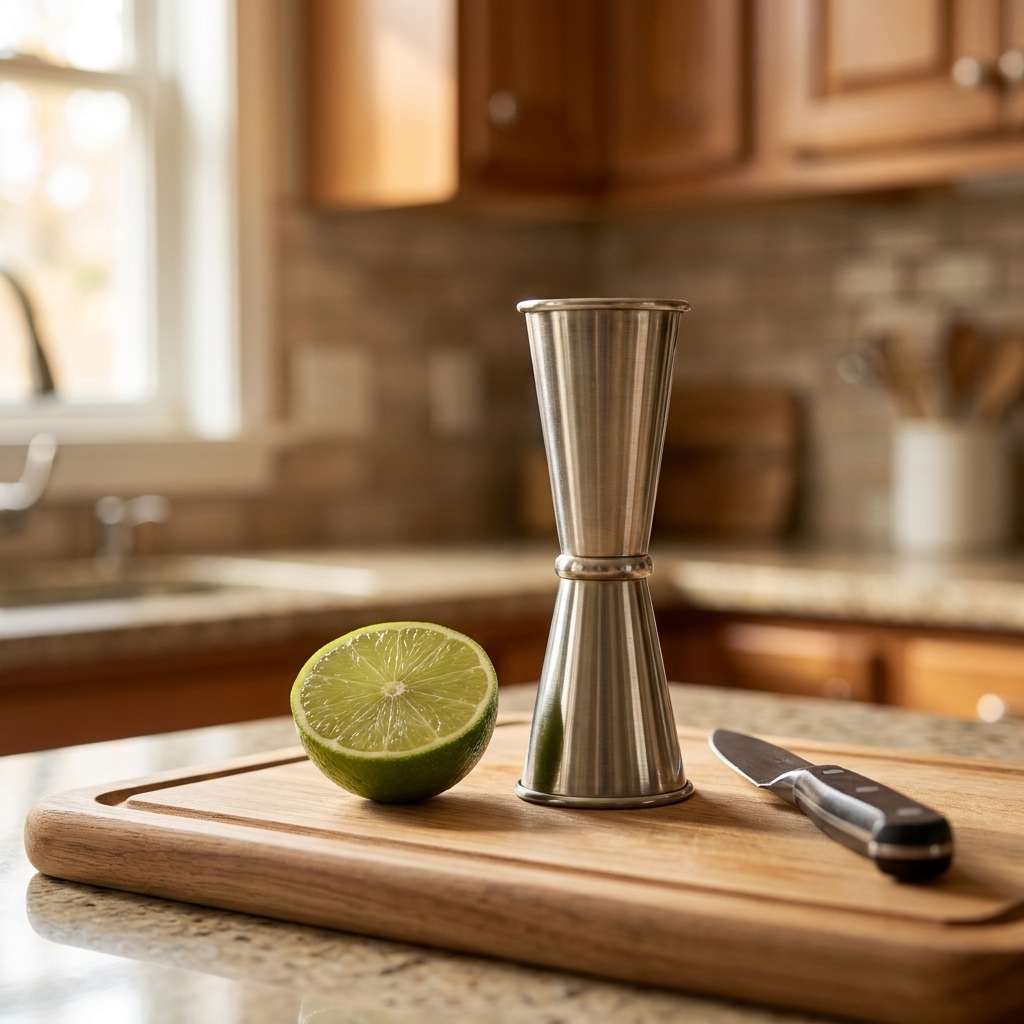
2) Jigger
A jigger is your “measure twice, shake once” tool. Even a little extra sweetener or a splash too much citrus can throw a cocktail off. Measuring makes your drinks repeatable, which is the whole point of building your own go-to recipes.
If ounces are not your thing, look for a jigger with milliliters (ml), or keep a small scale nearby and weigh liquids. Consistency is the win, not the unit.
What to buy
- Look for a double-sided jigger (common sizes: 1 oz and 2 oz).
- Bonus points for internal measurement lines (like 0.5 oz, 0.75 oz, 1.5 oz) so you can measure quickly without switching tools.
3) Bar spoon
This long-handled spoon is for stirring spirit-forward drinks like martinis and Manhattans. Stirring chills and dilutes smoothly without adding the tiny bubbles you get from shaking.
What to buy
- A long bar spoon (around 10 to 12 inches) that reaches the bottom of your mixing glass.
- A comfortable handle you can spin between your fingers, because stirring is basically a tiny hand dance.
4) Mixing glass (or sturdy beaker)
A mixing glass gives you room to stir with lots of ice, which is how you get that silky, well-chilled cocktail that feels like it came from your favorite bar.
What to buy
- Thick, weighted glass is less likely to tip.
- If you are starting out, a sturdy pint glass or heavy beaker works, but avoid thin glass that can crack with temperature changes.

5) Hawthorne strainer
This is the classic strainer with a spring coil. You set it on top of a shaker tin or mixing glass and pour cleanly while holding back ice shards and citrus pulp.
What to buy
- A Hawthorne strainer with a tight, sturdy spring.
- A handle that feels secure in your grip, because slippery strainers are tiny agents of chaos.
6) Fine-mesh strainer
When you want that extra-smooth, “how did you make this at home?” finish, you fine strain. This catches tiny ice chips, herbs, and pulp. It is especially helpful for shaken cocktails and anything with muddled ingredients.
What to buy
- A small fine-mesh strainer that fits comfortably over your glass.
- Look for a solid rim and handle so it does not wobble while you pour.

7) Muddler
If you love mojitos, minty drinks, or anything with berries, you need a muddler. The goal is to gently press ingredients to release aroma and juice, not pulverize them into bitter confetti.
What to buy
- Wood feels classic and is gentle on glassware, but should be washed and dried well.
- Stainless steel or nylon is easy to clean and durable.
- A flat or lightly textured end is usually more versatile than aggressive “teeth.”
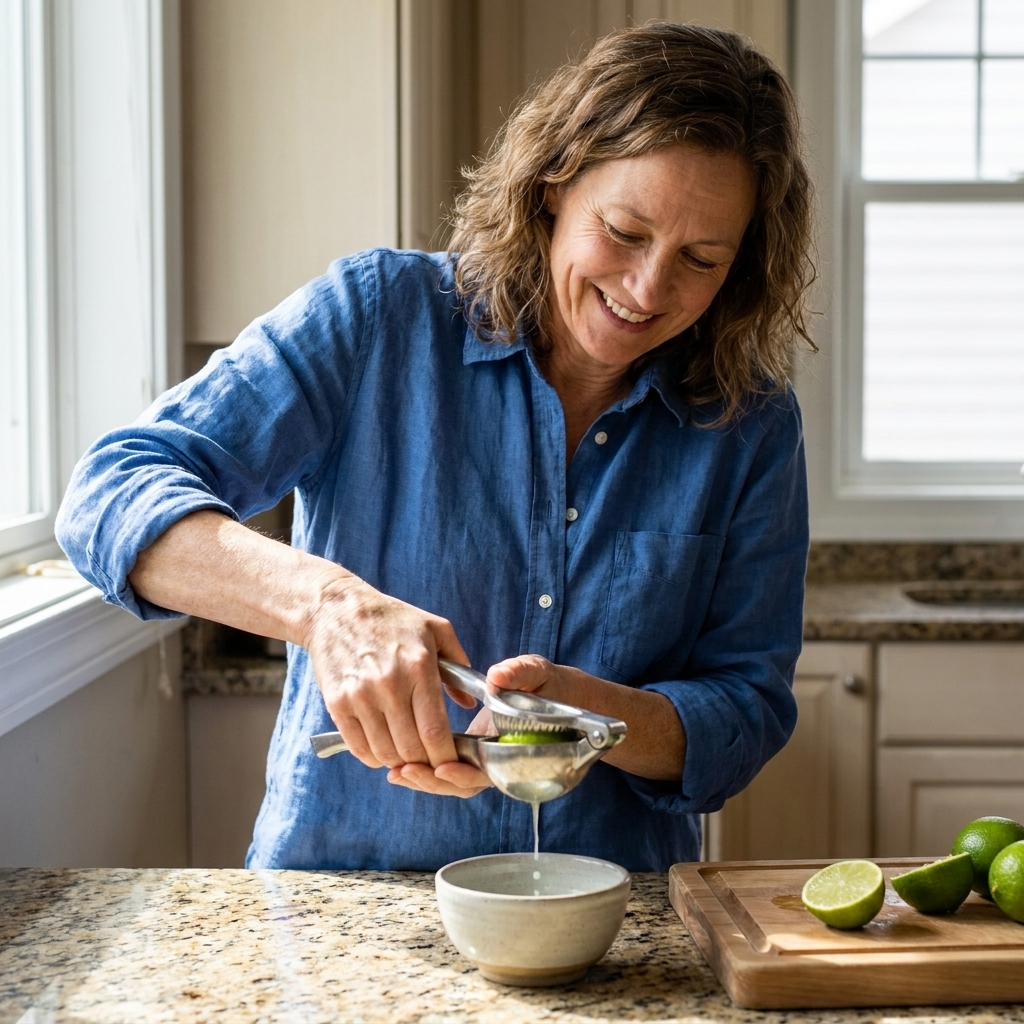
8) Citrus press (hand juicer)
Fresh citrus is one of the quickest ways to level up your cocktails. A citrus press makes it fast, tidy, and more consistent than squeezing by hand.
What to buy
- A sturdy metal press sized for limes and lemons.
- If you make lots of grapefruit cocktails, consider a larger press later, but start with lime and lemon.
Clara tip: If you only buy one “upgrade” tool after a shaker and jigger, make it a citrus press. It is the difference between “pretty good” and “why is this so bright and balanced?”
9) Channel knife or peeler
Citrus twists are not just decoration. Expressing an orange peel over a drink sprays fragrant oils right on top, which is basically aromatherapy for your cocktail.
What to buy
- A sharp Y-peeler for wide, clean strips (my personal favorite for beginners).
- A channel knife if you love narrow twists and fancy spirals.
10) Glassware (start with two)
Glassware can get very “gotta catch ‘em all,” but you can start simple and still look like a capable home bartender. Two versatile shapes cover a lot of classics, especially if you like spirit-forward drinks and sours served up.
What to buy first
- Rocks glasses (old fashioned): for spirit-forward drinks over ice and short cocktails.
- Coupe glasses: for “up” drinks served without ice, like daiquiris, margaritas served up, and many classics.
From there, add highballs if you love tall, bubbly drinks like gin and tonics, mojitos, and Tom Collinses. And if you enjoy smaller, elegant servings, nick and nora glasses are a fun later upgrade.

Putting it together: a small starter kit
If you want the shortest shopping list that still feels professional, start with:
- Shaker
- Jigger
- Hawthorne strainer
- Fine-mesh strainer
- Bar spoon
- Citrus press
- Two rocks glasses and two coupes
That set will carry you through a shocking number of cocktails, and it will not require a new cabinet or a second job.
Care tips
- Rinse immediately after sticky ingredients like syrup or egg white. Dried sugar is the glitter of the kitchen world.
- Dry tins and strainers well. Quality stainless is corrosion-resistant, but drying helps prevent water spots, odors, and the occasional rust spot on lower-grade metals.
- Avoid soaking wooden muddlers. Wash, rinse, dry, done.
- Keep a small towel nearby. A bar towel makes you look like a pro and saves your sleeves.
FAQ
Do I really need both a Hawthorne strainer and a fine strainer?
Not for every drink, but yes, it is a surprisingly useful pair. The Hawthorne handles the big stuff (ice), and the fine strainer catches the tiny stuff (chips, pulp, herb flecks). If you make lots of shaken citrus cocktails, you will use the fine strainer often.
What tool makes the biggest difference in drink quality?
A jigger for consistency and a citrus press for freshness. Great cocktails are mostly good ratios and bright ingredients.
Is a muddler necessary if I do not like mint cocktails?
You can skip it at first. Add one when you start playing with berries, herbs, cucumber, or jalapeño. It is a “nice to have” until it suddenly becomes a “how did I live without this?”
Honorable mentions (nice, not necessary)
- Ice help: A sturdy ice tray or a couple of large-cube molds go a long way. Good ice is an ingredient.
- Small knife and cutting board: You will use these constantly for citrus and garnishes.
- Wine key or bottle opener: Not glamorous, but very practical if you stock beer, sparkling wine, or tonic.
A gentle nudge
Tools are fun. I love tools. But you do not need to buy everything at once to be “legit.” Pick a few classics you want to learn, grab the tools above, and let your bar grow the way hobbies are supposed to: slowly, joyfully, and with plenty of room for imperfect first tries.