
If you're new to smoking, here’s the good news: you don't need a fancy rig, a secret rub recipe, or a beard that smells like hickory to make something delicious. You just need a forgiving cut of meat, steady heat, and the confidence to leave the lid closed when your brain insists on checking “just one more time.”
Below are five beginner-friendly meats that play nicely with common smokers and grills, plus wood pairing suggestions, temperature guidelines, and simple cook-time ranges to calm the “are we there yet” panic. Then we’ll get into bark, because yes, that dark, flavorful crust is absolutely within your reach.
Before you start: quick cheat sheet
- Smoker temp: 225 to 275°F (most beginners have an easier time around 250°F because it's easier to keep stable).
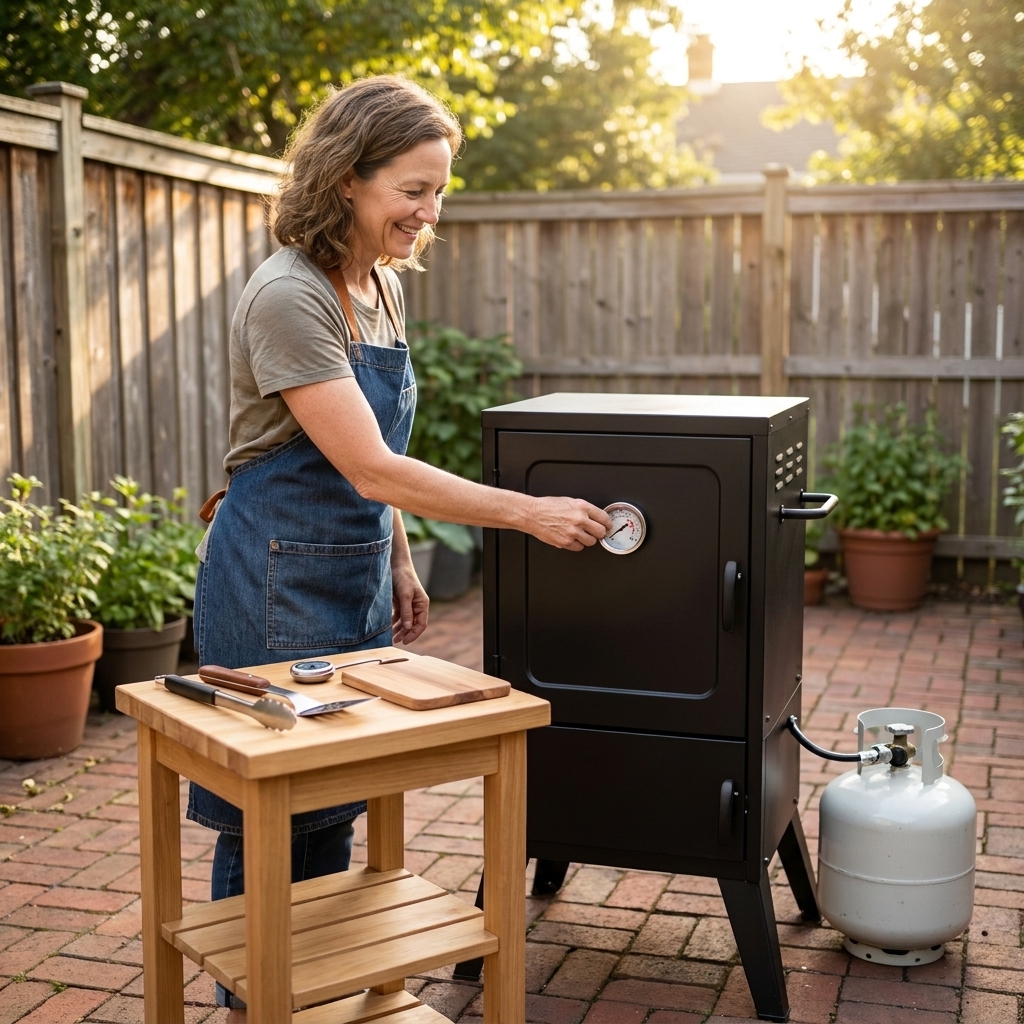
- Fuel: Use a consistent heat source first (charcoal + wood chunks, pellets, or a well-controlled gas smoker) and save the “all wood, all drama” method for later.
- Thermometers: A dependable probe for the meat and a second reading for grate temperature beats guessing every time.
- Smoke goal: Aim for thin blue smoke, meaning light, steady, almost wispy smoke. Thick white smoke usually means bitter flavor is on the way.
- Food safety basics: Keep raw meat cold until it goes on, wash hands and tools, and don't reuse raw marinades as sauce unless boiled.
Now let’s talk about the meats that’ll make you feel like you’ve been doing this forever.
Quick prep basics
- Pat dry first: Dry the surface with paper towels so your seasoning sticks and bark can actually form.
- Trim the obvious:
- Pork tenderloin: Remove silverskin, it stays chewy no matter how long you cook it.
- Chuck roast: Trim any thick, hard fat that won't render. Leave the rest.
- Ribs: Remove the membrane if it's still on. It helps tenderness and seasoning adhesion.
- Seasoning time: Even 20 to 30 minutes helps. If you can, season and refrigerate uncovered for a few hours to get the surface tacky.
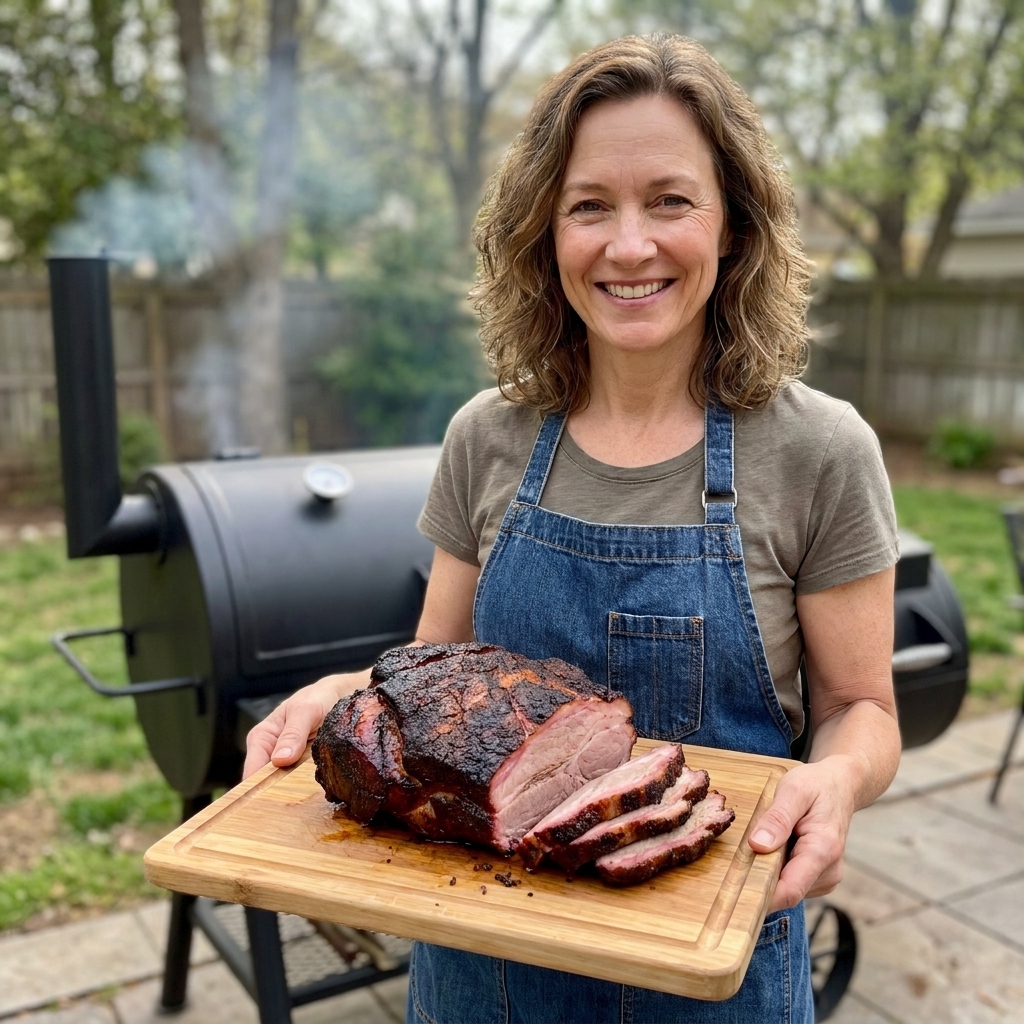
1) Pork shoulder (Boston butt)
If smoking had a training-wheel cut, this would be it. Pork shoulder is fatty, tough in the best way, and forgiving if your temperature wobbles a bit. It’s also the cut that turns into pulled pork, which means even “not perfect” is still extremely snackable.
Why it’s beginner-friendly
- High fat and collagen content gives you a wide window of success.
- It tastes great with simple rubs and basic woods.
- It’s hard to dry out compared to lean cuts.
Wood pairings
- Apple or cherry: Sweet, gentle smoke and beautiful color.
- Hickory: Classic pulled pork flavor, bolder but still friendly.
- Oak: Steady, medium smoke that rarely overwhelms.
Temperature and timing
- Smoker: 250°F is a sweet spot.
- Typical time: About 1 to 1.5 hours per pound, but always cook to tenderness, not the clock.
- Finish temp: Roughly 195 to 205°F internal, but prioritize feel. You want the probe to slide in with little resistance.
- Rest: 30 to 60 minutes (wrapped) makes it easier to pull and improves juiciness.
Clara tip: If you get nervous about dryness, wrap once the bark is set (usually after it turns a deep mahogany and doesn't rub off easily). Just don't rush the wrap, bark needs time.
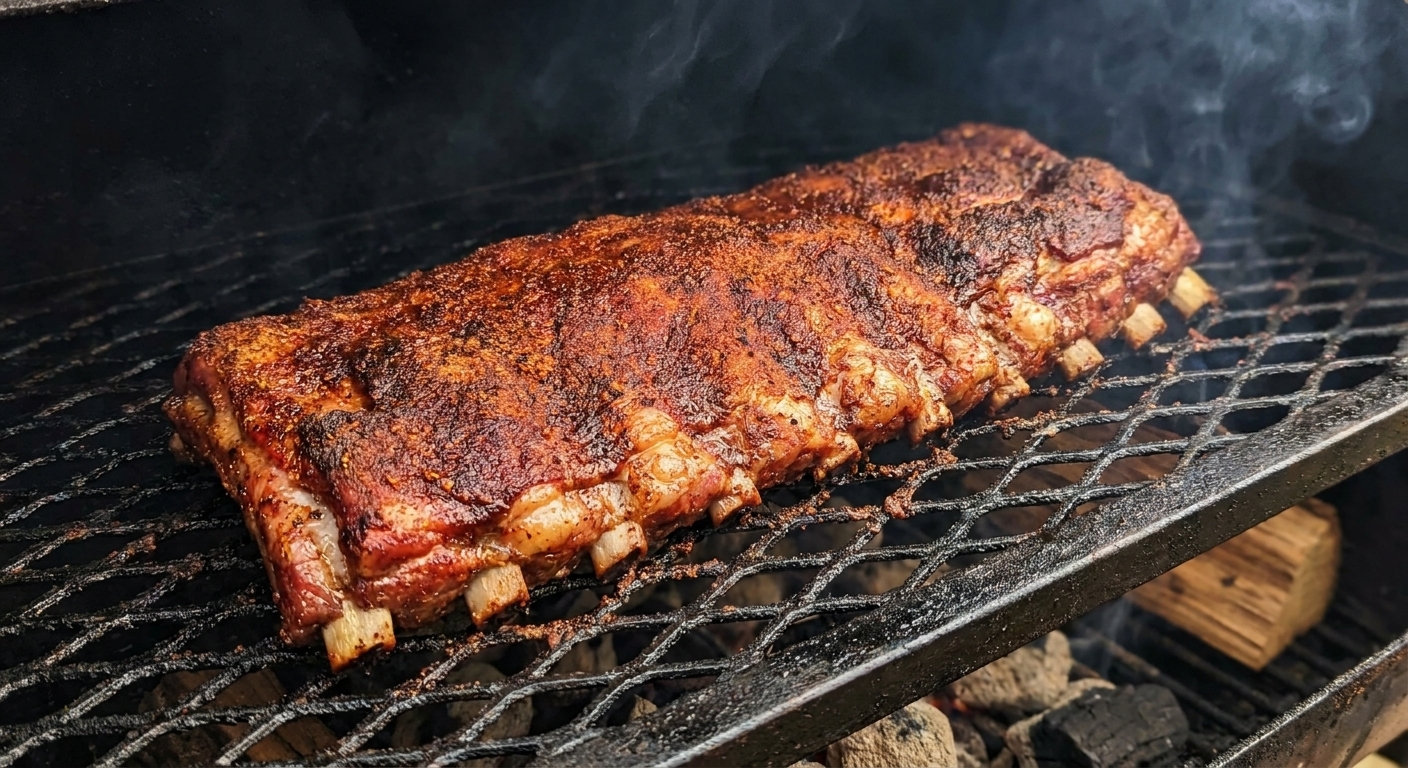
2) St. Louis style ribs (pork spare ribs)
Ribs look like advanced barbecue, but they're surprisingly doable because you're cooking a relatively thin piece of meat and getting lots of feedback along the way. St. Louis style ribs are trimmed spare ribs, and they're a little fattier and more forgiving than baby backs.
Why they’re beginner-friendly
- Fat helps protect the meat while it cooks.
- They’re easier to manage than a giant brisket.
- You can learn bark and bite-through texture without an all-day marathon.
Wood pairings
- Apple: Mild and crowd-pleasing.
- Cherry: Great color and a slightly richer sweetness.
- Hickory (light): Use sparingly if you love a bolder rib.
Temperature and timing
- Smoker: 225 to 275°F (I like 250°F for consistency).
- Typical time: About 4 to 6 hours, depending on thickness, temp, and whether you wrap.
- Doneness cues: Meat has pulled back from the bone ends, the rack bends easily when lifted, and a toothpick slides into the thickest part with little resistance.
- If you happen to check temp: Rib temps are inconsistent because bones and thin meat throw readings off. Many racks land somewhere in the 190s when they're done, but feel wins here.
3) Chicken thighs
Chicken can be tricky if you start with breasts, which love to dry out. Thighs, on the other hand, are the friendly golden retrievers of the smoker world. They stay juicy, they take on smoke quickly, and they're delicious even when you overshoot a little.
Why they’re beginner-friendly
- Dark meat is forgiving and stays moist.
- Shorter cook means faster learning loops.
- Skin and seasoning give you quick bark practice, especially with a dry rub.
Wood pairings
- Pecan: Mild, nutty, and wonderful on poultry.
- Apple: Light and slightly sweet.
- Cherry: Adds color without harshness.
Temperature and timing
- Smoker: 275 to 325°F helps render skin better than low-and-slow.
- Typical time: About 60 to 90 minutes, depending on size and whether they’re bone-in.
- Safety note: Poultry needs 165°F minimum internal for safety.
- Best texture: 175 to 195°F internal is where thighs get tender and satisfying.
- Optional crisping: A few minutes over higher heat at the end can help the skin tighten up.
Clara tip: If rubbery chicken skin makes you sad, you're not alone. Higher heat is your friend here, along with a light coat of oil on the skin before seasoning.
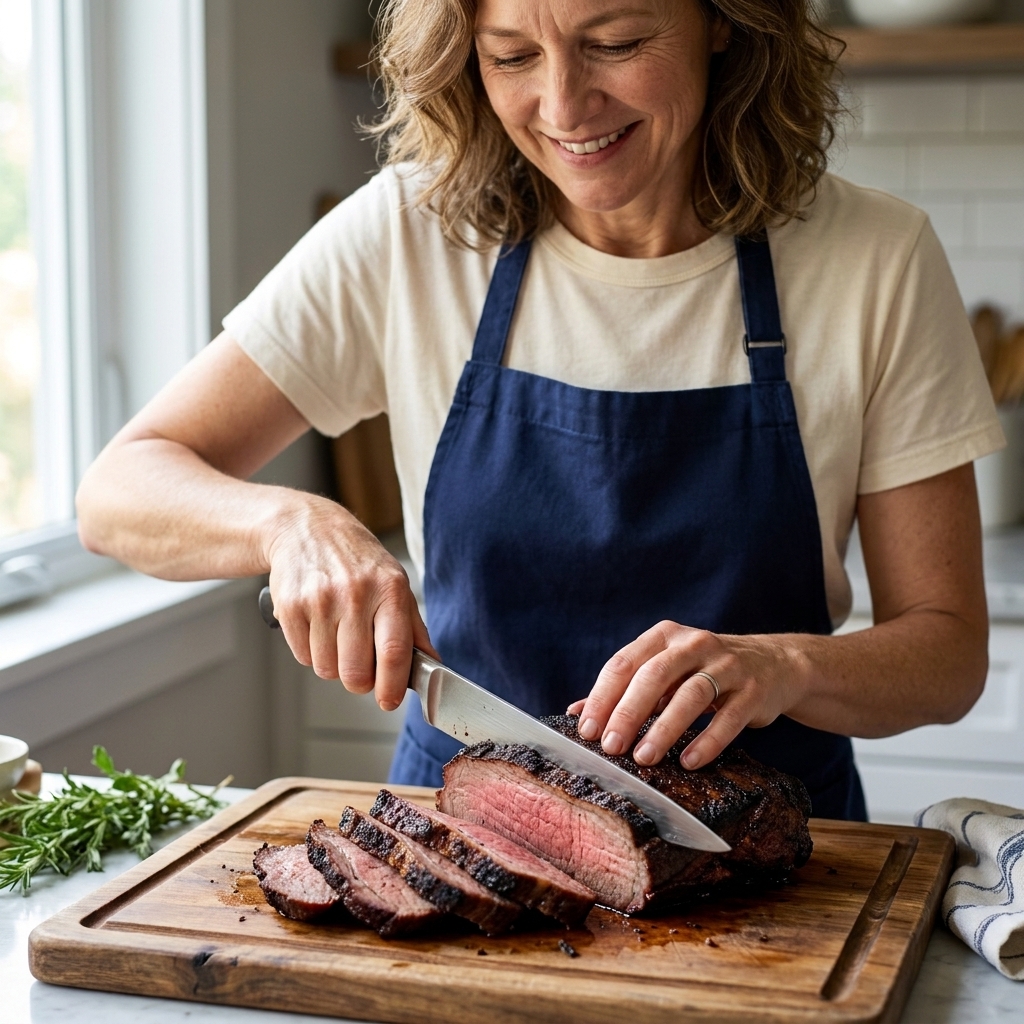
4) Beef chuck roast
Chuck roast is an excellent “brisket-adjacent” project without the brisket-level pressure. It has marbling and connective tissue that melts into rich, beefy tenderness, and it can be sliced or shredded depending on how far you take it.
Why it’s beginner-friendly
- More forgiving than brisket flat and less expensive than a whole packer brisket.
- Shorter cook time than full brisket, but still teaches you stall, bark, and resting.
- Great practice for beef rubs and smoke flavor balance.
Wood pairings
- Oak: The steady classic for beef.
- Hickory: Stronger, bold barbecue flavor.
- Mesquite (light): A little goes a long way, consider mixing with oak.
Temperature and timing
- Smoker: 250 to 275°F.
- Typical time: About 4 to 7 hours for many roasts, depending on size and how tender you want it.
- Finish temp: Around 195 to 205°F internal for pull-apart tenderness, or pull earlier for sliceable roast depending on preference.
- Rest: 30 to 60 minutes, wrapped, to keep juices from escaping the second you cut.
5) Pork tenderloin
Hear me out, because tenderloin is lean and lean meats can be less forgiving. But tenderloin earns a spot on a beginner list because it’s quick, low-stress, and a great way to practice smoke flavor without committing your entire Saturday. It’s also a nice option when you want “smoked something” but not a full cooler-rest situation.
Why it’s beginner-friendly
- Short cook time, easy to fit into weeknights.
- Great for learning wood intensity, since it takes smoke quickly.
- Simple seasoning works beautifully.
Wood pairings
- Apple: Gentle and clean.
- Cherry: Slight sweetness and nice color.
- Pecan: Mild and rounded.
Temperature and timing
- Smoker: 225 to 275°F.
- Typical time: About 45 to 75 minutes depending on thickness and smoker temp.
- Finish temp: 145°F internal, then rest 5 to 10 minutes before slicing.
- Quick safety note: This is for whole-muscle pork like tenderloin. Ground pork is different and needs 160°F.
Clara tip: Because tenderloin is lean, focus on flavor and a light crust rather than a thick, brisket-style bark. Think “seasoned edge,” not “meteor crust.”
Bark tips (no gatekeeping)
Bark is that dark, punchy exterior built from rub, smoke, fat, and time. It's not just “burnt seasoning.” It's a slow, tasty transformation, and beginners can absolutely nail it with a few smart habits.
1) Start with a mostly dry surface
You don't want the meat wet, but you also don't need it desert-dry. Pat it dry, then aim for a slightly tacky surface so smoke and seasoning can grab on. If you have time, season and let it sit in the fridge uncovered for a few hours. That little air-dry helps the surface get grippy and bark-ready.
2) Use a binder lightly, or skip it
Mustard, hot sauce, or a thin coat of oil can help rub stick, but you don't need a thick layer. Too much binder can slow bark development.
3) Choose the right rub texture
- For thicker bark: Include some coarse black pepper and a little sugar if you like sweetness. Pepper helps texture. Sugar helps color, but it can burn at higher temps.
- For cleaner bark: Use more savory spices and less sugar, especially if you cook hot.
4) Don’t spritz too early
Spritzing is fun, but it cools the surface and can delay bark. If you love spritzing, wait until the bark has started to set, usually after the first 60 to 90 minutes, then keep it light and occasional.
5) Airflow and humidity both matter
Smokers that breathe well tend to build better bark. A little humidity can help smoke adhere, but too much can keep the exterior soft. If your smoker runs very wet or you're using a water pan, consider using less water, or removing it once you're comfortable.
6) Wrap only after the bark is where you want it
Wrapping speeds the cook and helps power through the stall, but it also softens bark. If bark is your goal, wait until you can rub a finger across the surface and the rub stays put.
- Foil: Fastest, softest bark.
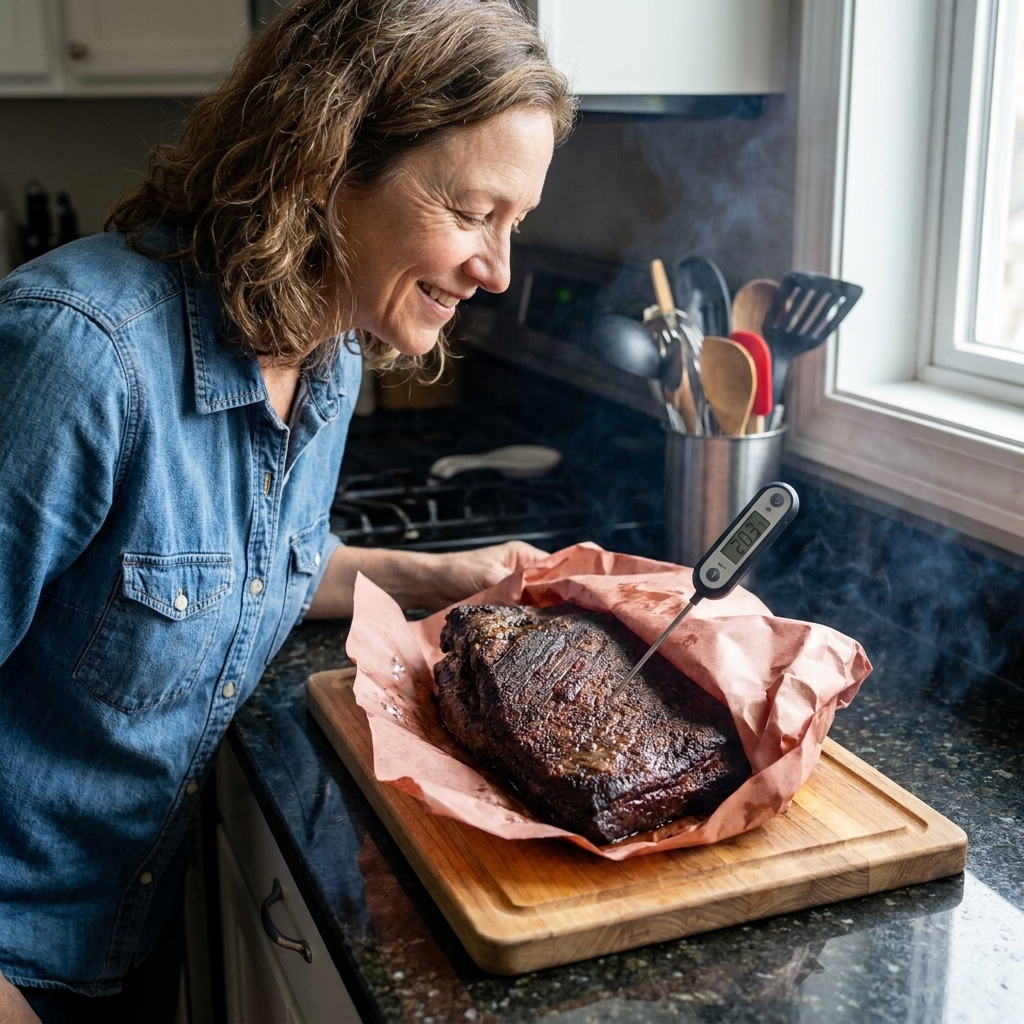
- Butcher paper: Faster cook while keeping bark more intact.
- No wrap: Best bark, longer cook.
7) Rest like you mean it
Resting isn't optional if you want great texture. A rest lets juices redistribute and gives the exterior time to settle. For big cuts, 30 to 60 minutes is a solid start. Longer is fine if you can keep it warm.
If bark softness bugs you: If you wrapped in foil or paper, you can vent the wrap for 5 to 10 minutes after cooking to let steam escape, then re-wrap to hold warm. That little move helps keep bark from turning squishy.
Quick pairing table
If you want the fastest possible fridge note, here you go.
- Pork shoulder: 250°F smoker, finish 195 to 205°F, woods: apple, cherry, hickory, oak
- St. Louis ribs: 225 to 275°F smoker, finish by feel, woods: apple, cherry, light hickory
- Chicken thighs: 275 to 325°F smoker, safe at 165°F, best 175 to 195°F, woods: pecan, apple, cherry
- Beef chuck roast: 250 to 275°F smoker, finish 195 to 205°F for shreddable, woods: oak, hickory, light mesquite
- Pork tenderloin: 225 to 275°F smoker, finish 145°F + rest, woods: apple, cherry, pecan
Troubleshooting bark
My bark is pale
- Check your actual grate temp. Many lids lie.
- Use wood chunks or a clean, steady smoke source rather than smoldering chips.
- Give it time. Bark is slow, and that’s normal.
My bark is bitter
- Avoid thick white smoke. Aim for thin, steady smoke and clean combustion.
- Go lighter on strong woods like mesquite.
- Don't overdo sugary rubs at higher heat.
My bark is soft after wrapping
- That’s normal. If you want to firm it up, unwrap near the end for 15 to 30 minutes to dry the surface.
- Try butcher paper next time instead of foil.
- Vent the wrap briefly after the cook, then re-wrap to hold warm.
I’m scared I’ll mess it up
Welcome to the club. Smoking is part cooking, part patience practice. Pick pork shoulder or thighs, use a thermometer, and remember you're allowed to be a beginner. Dinner doesn't need to be a masterpiece, it just needs to be tasty.