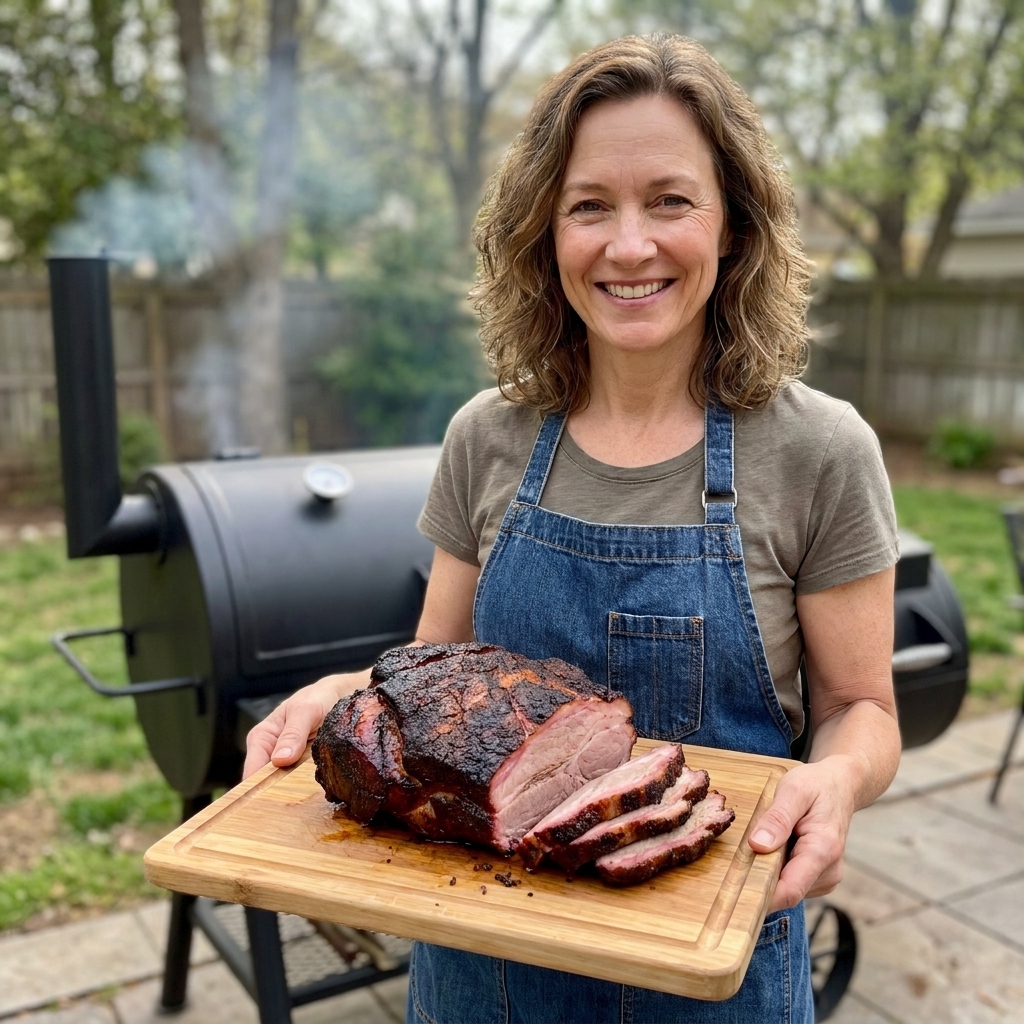

Choosing a smoker feels a little like choosing a pet. You are not just buying a tool, you are adopting a routine. Some smokers thrive on set-it-and-forget-it consistency. Others want a bit more attention, but they pay you back in flavor and that deeply satisfying feeling of “I made this happen.”
Let’s talk about the two backyard classics: gas smokers and charcoal smokers. We will compare how they handle temperature control, what the smoke tastes like, how much work they need, and who each one is best for.
Quick note before we dive in: models vary a lot. “Gas smoker” usually means a vertical cabinet running on propane, but some can be set up for natural gas. “Charcoal smoker” can mean anything from a kettle or drum to a kamado or offset, and those designs behave differently. The big ideas below still hold, but your exact cooker matters.
The quick answer
If you want easy temperature control, quicker startups, and a smooth learning curve, a gas smoker is often the happiest match.
If you want classic barbecue flavor, enjoy tending a fire, and do not mind a little extra cleanup, a charcoal smoker tends to deliver the most traditional experience.
But the best choice is the one you will use on an ordinary Saturday, not just on your most ambitious holiday cook.
How they work
Gas smokers
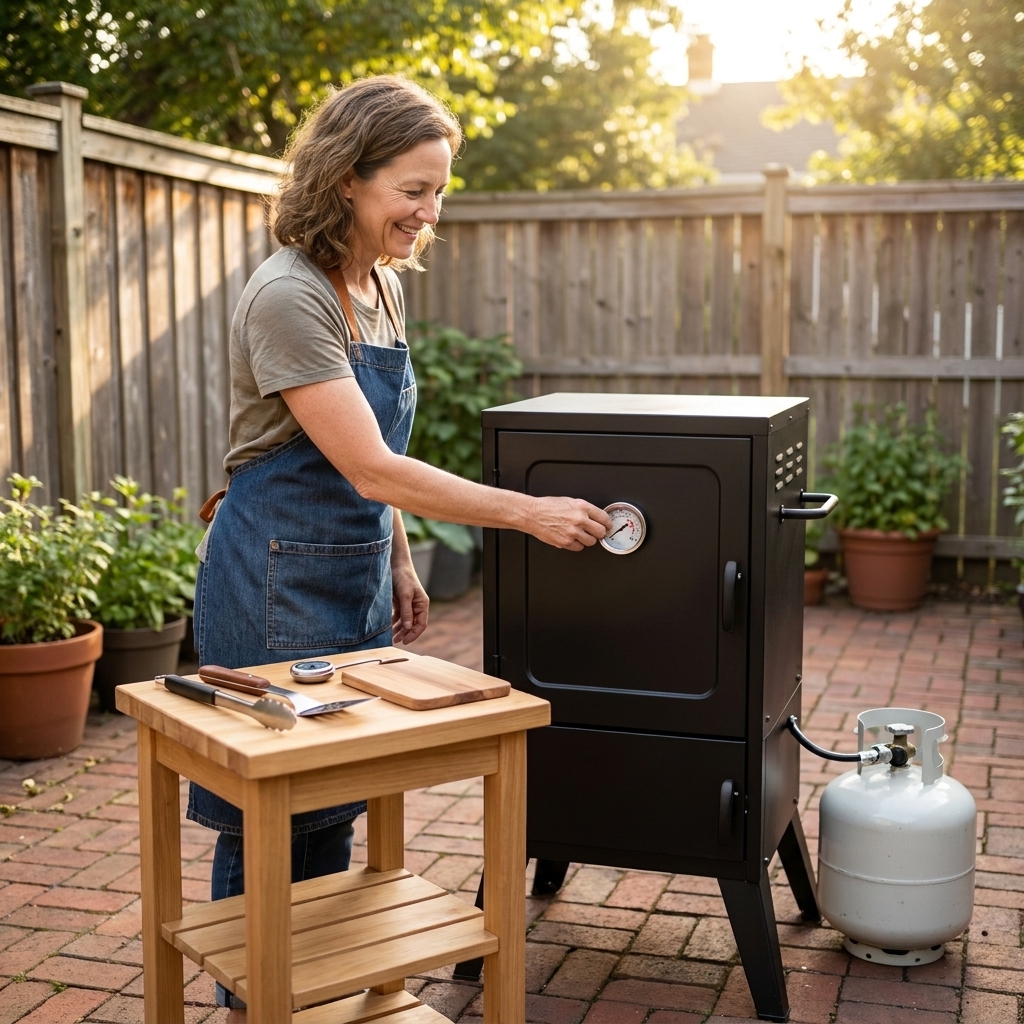
Gas smokers often run on propane (and some can be configured for natural gas with the right setup). A burner creates heat at the bottom of the smoker, and you add wood chunks or chips in a tray to produce smoke. Because the fuel source is controlled by a knob, gas smokers behave a lot like an outdoor oven that happens to smoke.
One reality check: even with gas, the wood still needs managing. You may add wood a few times during a cook, and you still want good airflow so the smoke stays clean.
Charcoal smokers
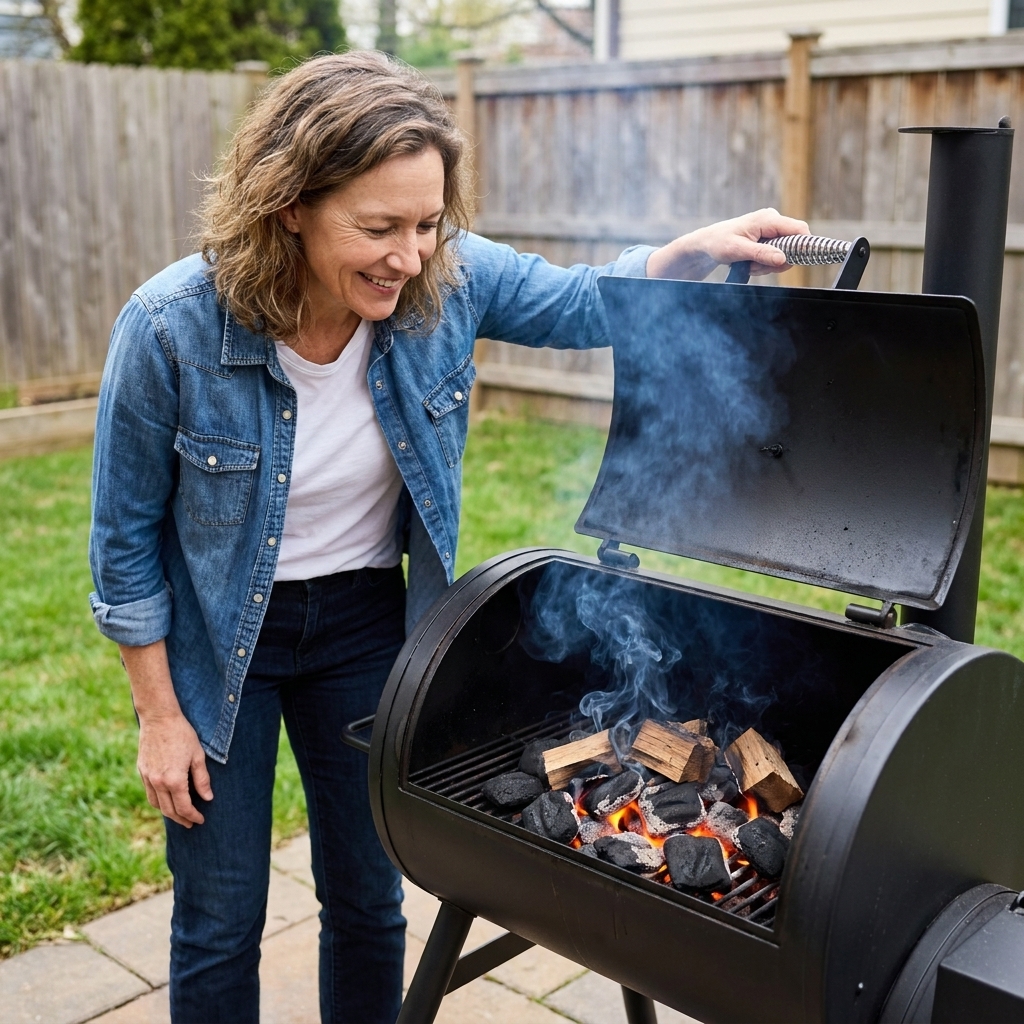
Charcoal smokers burn briquettes or lump charcoal for heat. Wood chunks are added for smoke, and the fire is controlled by airflow using vents. Depending on the style, some charcoal pits also burn larger wood splits (especially offset-style cookers). It is a more hands-on system, but it is also the old school foundation of backyard barbecue.
Temperature control
Smoking is mostly temperature management with a side of meat. The steadier your heat, the easier it is to hit tender, juicy results.
Gas smoker temperature control
- Pros: Very steady once dialed in. Easy to raise or lower heat with a knob. Great for beginners who want fewer variables.
- Cons: Wind and cold weather can still affect performance, especially on thinner-walled models. Many cabinet-style units also struggle to reach and hold higher temps for crisp chicken skin, although this is model-dependent.
Charcoal smoker temperature control
- Pros: Can run beautifully steady once you learn your vent settings. Many charcoal cookers can do both low-and-slow and hotter cooks depending on design (kettle, kamado, drum, offset).
- Cons: More variables. Airflow, charcoal quality, outside temperature, and how you arrange the coals all matter. You may need to add fuel during longer cooks.
My “real life” take
If you picture yourself checking a thermometer every so often and making small vent adjustments like you are gently steering a ship, charcoal can be very satisfying. If you picture yourself getting pulled inside to help with dinner sides, kids, or guests and you want the smoker to stay calm without you, gas is a strong choice.
Also, weather is not picky. Cold and wind can push any smoker around. Heavier, tighter cookers and insulation help whether you burn gas or charcoal.
Flavor
Both gas and charcoal smokers can produce delicious smoked food. The difference is usually about depth and the overall barbecue personality of the smoke.
Gas smoker flavor profile
- Clean, consistent smoke from your wood tray, especially if you use wood chunks and avoid overloading chips.
- Milder overall smokiness for many cooks, which can be a plus for poultry, fish, and vegetables.
- Great for repeatable results when you want your ribs to taste like your ribs every time.
Charcoal smoker flavor profile
- Richer, more traditional BBQ character because charcoal contributes its own aroma alongside your wood.
- More potential complexity as the fire changes over time, especially on long cooks like pork shoulder and brisket.
- More room for mistakes if airflow is off and your fire smolders. Bitter, sooty smoke is the main flavor hazard here.
Wood matters more than people think
No matter your smoker type, the wood you choose will shape the final flavor.
- Hickory: classic, bold, great for pork and ribs
- Oak: steady, versatile, excellent for brisket
- Apple or cherry: sweeter, gentle, lovely for poultry and ham
- Mesquite: intense, best in small doses or short cooks
If you are new, start light. You can always add more smoke next time. You cannot un-smoke a turkey.
Startup time
Gas
Gas smokers generally preheat faster and get stable sooner. You can be smoking in a fairly short window, which makes them feel more usable on normal days.
Charcoal
Charcoal takes longer to light and settle into a stable temperature. A charcoal chimney starter helps a lot, but you are still budgeting more time and attention up front.
If you dream of spontaneous smoked chicken thighs on a Wednesday, gas makes that dream much more realistic.
Cleanup and maintenance
Cleanup is not glamorous, but it is the difference between “I love this hobby” and “Why is my smoker judging me from the corner of the patio?”
Gas smoker maintenance
- Less ash, generally simpler cleanup.
- You still need to clean grease drips and trays to avoid flare-ups and off flavors.
- Occasional burner checks and keeping vents clear is important for safety and performance.
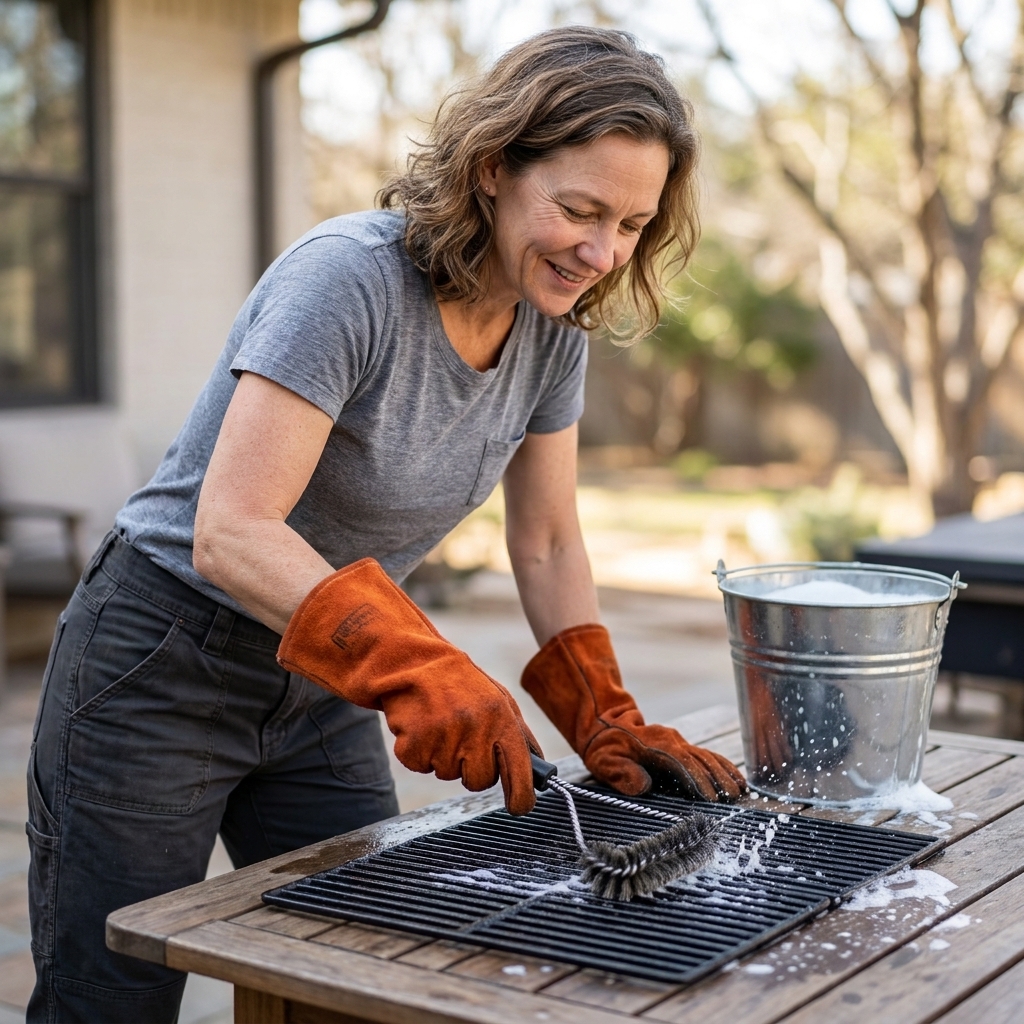
Charcoal smoker maintenance
- More ash management and more frequent deep cleaning.
- Charcoal dust gets into corners. It just does.
- Vents need to stay clear so airflow remains predictable.
Cost
Up-front cost
Prices overlap a lot depending on size, insulation, and build quality. In general, both categories have budget models and premium models, and many backyard smokers land in a similar range.
Fuel costs
Fuel cost depends on your cooker’s efficiency, how often you cook, and local prices. Instead of thinking “one is always cheaper,” it is safer to think in shopping lists:
- Gas: propane (or natural gas) plus wood for smoke.
- Charcoal: charcoal plus wood (chunks, and sometimes splits depending on the pit).
Lump charcoal often burns hotter and produces less ash than briquettes, but performance varies by brand and cook style.
Learning curve
Gas is beginner-friendly
Gas smokers remove the hardest part for many people: managing a live fire. That lets you focus on meat temperature, rubs, timing, and resting, which are the skills that make barbecue great.
Charcoal is hobby-friendly
Charcoal smokers teach you fire control, airflow, and patience. If the idea of learning your smoker sounds fun rather than annoying, charcoal is incredibly rewarding.
I always tell friends: if you want a smoker that feels like an appliance, go gas. If you want a smoker that feels like a hobby, go charcoal.
Space and capacity
Do not overlook the boring stuff. It is often the stuff that determines whether you actually use the smoker.
- Gas cabinets tend to have a small footprint with multiple racks, which can be great for ribs, wings, and jerky.
- Charcoal options vary wildly. A kettle is compact, a kamado is heavy and efficient, a drum is a capacity monster, and an offset can take up real patio real estate.
Pick your match
Choose gas if
- You want steady, low-stress temperature control.
- You want quick setup and easier weeknight cooks.
- You prefer a cleaner, milder smoke profile.
- You do not want to manage ash and coals.
- You are cooking for a crowd and want predictability.
Choose charcoal if
- You want deep, traditional BBQ flavor.
- You enjoy hands-on cooking and learning fire control.
- You like experimenting with vents, fuel, and wood.
- You want to run low-and-slow and occasionally hot-and-fast, depending on cooker style.
- You do not mind a bit more cleanup.
Practical tips
Use a reliable thermometer
The thermometer built into many lids is often inaccurate because of placement and heat gradients. A good probe thermometer for grate temperature and meat temperature can instantly improve your results.
Aim for clean smoke
Thin, light smoke is what you want. Thick, billowy white smoke often leads to bitter flavors. Give your wood time to burn cleanly and make sure airflow is not choked.
Do not skip the rest
Resting meat after the cook is where juiciness and tenderness settle in. Even 20 to 30 minutes helps, and big cuts benefit from longer rests.
Start with forgiving meats
- Pork shoulder: very forgiving and a great teacher
- Chicken thighs: tasty and less stressful than whole birds
- Ribs: fun once you get a feel for your smoker
Safety basics
- Never run any smoker indoors and never in a garage, under an overhang, or anywhere with poor ventilation. Carbon monoxide is real and fast.
- If you use propane: check hoses and fittings, keep the tank upright, and shut off the tank when you are done. If you smell gas, stop and fix the leak before lighting.
- With charcoal: dump ashes only when fully cold, and store charcoal where it stays dry.
FAQ
Is charcoal always better for flavor?
Not always, but charcoal often provides a deeper classic BBQ character. Gas can still produce wonderful smoke flavor, especially with quality wood chunks, good airflow, and steady temps.
Is a gas smoker “real barbecue”?
Absolutely. If it makes food you love and it gets used, it is real barbecue. The best smoker is the one that earns a permanent spot in your routine.
Which is easier to maintain?
Gas smokers usually win on convenience and mess. Charcoal smokers involve more ash cleanup and a little more hands-on care.
Can I get good bark on gas?
Yes, but bark depends on airflow, humidity, temperature, and time. Some gas cabinets run fairly moist, which can soften bark. Managing vents, not overcrowding the chamber, and giving meat enough time can help.
My gentle nudge
If you are truly torn, pick based on your personality, not the internet’s loudest opinion. If you want calm and consistent, go gas and start smoking sooner. If you want the ritual of fire and the most traditional flavor profile, go charcoal and enjoy the learning curve.
Either way, welcome to the wonderfully slow world of backyard barbecue. It is one of the few hobbies where waiting patiently is basically the main skill, and dinner is the reward.