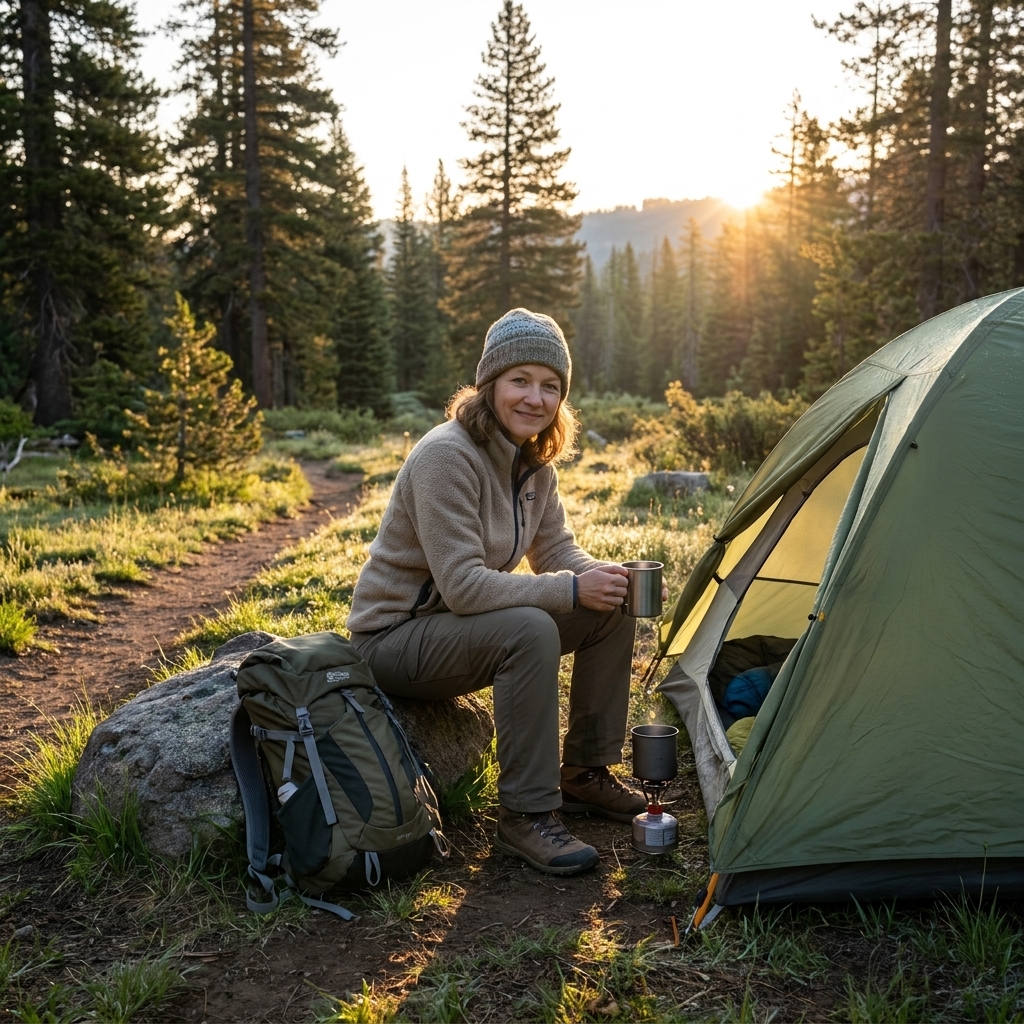

There are two kinds of campers in this world: the ones who love the cozy little “zipper-door burrito” of a tent, and the ones who look at two trees and think, perfect bedroom. Both are valid. Both can be wonderfully comfortable. And both can go hilariously sideways if you bring the wrong sleep system for the conditions.
Let’s break down hammock camping vs. tent camping with the stuff that actually matters at 10:47 p.m. when you are tired, slightly snacky, and your brain has stopped doing math.
The quick difference
Tents create a small room on the ground. Your comfort depends heavily on your sleeping pad and the ground underneath you.
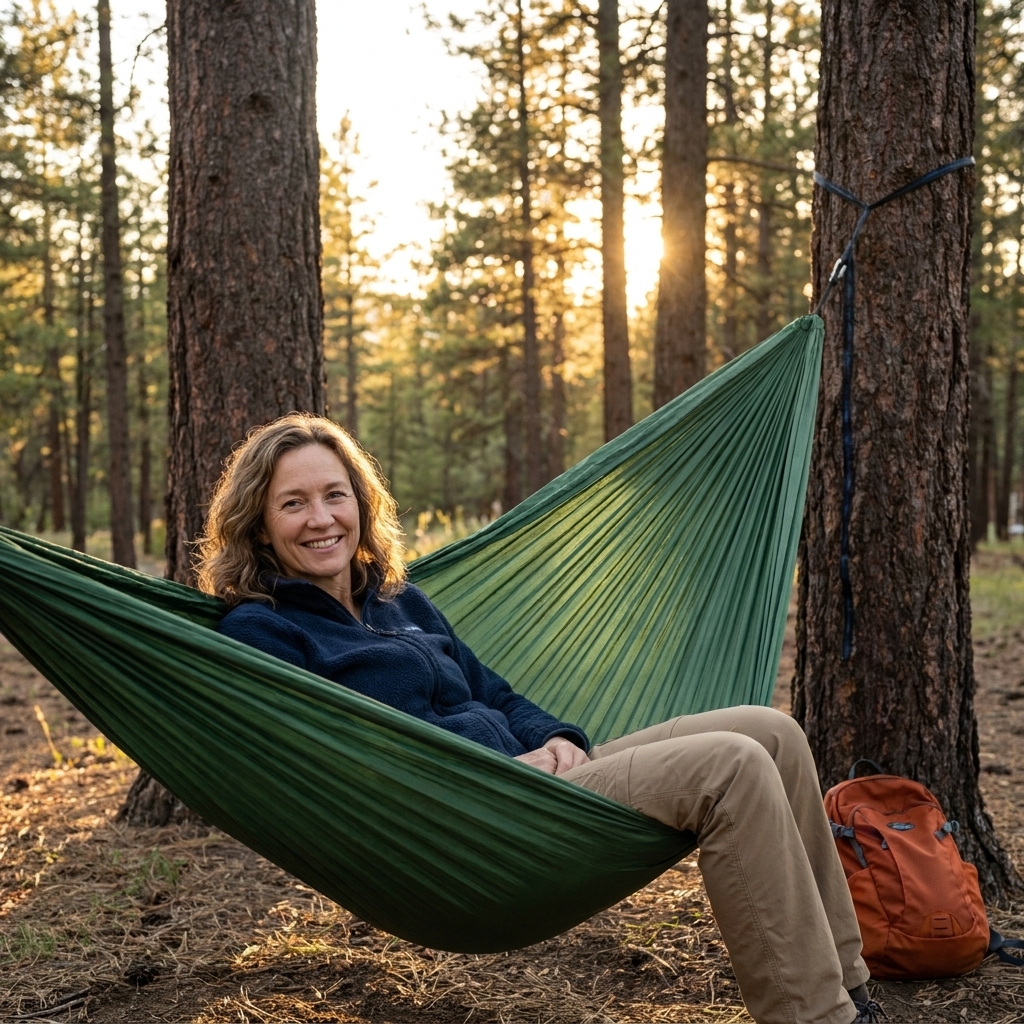
Hammocks suspend you in the air. Your comfort depends on your hammock hang, your insulation underneath you, and how well your tarp blocks wind and rain.
If you remember nothing else, remember this: a hammock needs bottom insulation the way a tent needs a good sleeping pad.
Sleep systems
Tent basics
In a tent, your sleeping pad is the star of the show. It does two jobs: cushioning and insulation. Even in summer, the ground can steal heat faster than you expect.
- Sleeping pad: foam (simple, durable) or inflatable (plush, lighter, more fragile). Check the R-value for the temps you expect.
- Sleeping bag or quilt: match the temperature rating to the lowest temps you expect, not the daytime high.
- Bonus comfort: a thin foam sit pad under hips, or a small pillow, can feel like luxury.
Hammock basics
In a hammock, a sleeping bag compresses under you and loses warmth. That is why new hammock campers often say, “I was warm everywhere except my back,” which is the classic cold butt syndrome.
- Hammock: gathered-end is most common and forgiving; bridge hammocks feel flatter but can be fussier with tarps and can create shoulder squeeze for some people.
- Suspension: straps and whoopie slings or buckles, plus tree-friendly straps (wider is kinder to bark).
- Underquilt or pad: underquilt is the comfort gold standard; a pad works but can slide and feel sweaty.
- Top quilt or sleeping bag: either works since it is not compressed on top.
- Bug protection: integrated bug net or separate net in mosquito-heavy seasons.
Comfort note from someone who loves being a beginner: hammocks are not automatically comfy. The magic usually happens when you learn a good hang: about a 30-degree suspension angle, a ridgeline if your setup uses one, and sleeping on the diagonal so you are flatter. If you feel a tight line under your legs (hello, calf ridge), tweak your diagonal, raise your foot end a little, or adjust sag.
Weather
Rain
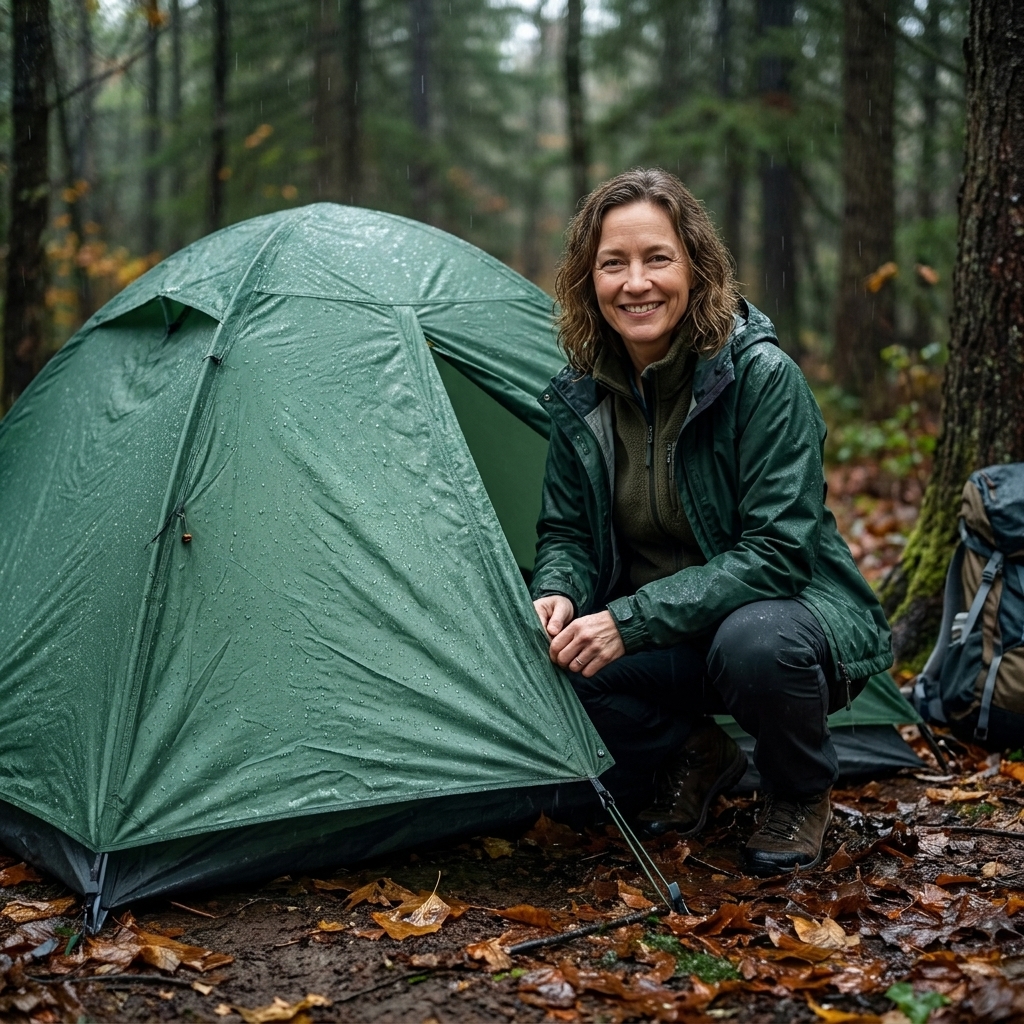
Tents handle rain well when they are properly pitched: taut rainfly, good staking, and a site that does not funnel water under you. The weak points are seam leakage in older tents, and puddles if you camp in a low spot.
Hammocks rely on a tarp. A big tarp with good coverage can be very storm-worthy, but smaller “fair weather” tarps demand better site selection and more skill with pitch angles.
- Tent rain often wins if you want one integrated system and you are camping above treeline or in open, windy areas. (That said, well-guyed trekking-pole and other non-freestanding shelters can be excellent here too.)
- Hammock rain often wins in forests when you have solid trees and a tarp large enough for the conditions.
Wind
Wind is where both systems reveal their personalities.
- Tents: low-profile tents and good guy lines do well. Big dome tents can flap loudly if not tensioned.
- Hammocks: wind can steal warmth fast from below. A well-pitched tarp with doors, plus an underquilt protector or wind-blocking tarp pitch, makes a huge difference.
Cold
Cold camping is totally possible with either, but the shopping list changes.
In a tent, you usually upgrade your sleeping pad first (higher R-value) and then your bag or quilt.
In a hammock, you usually upgrade your underquilt first. Some hammock campers find they sleep warmer once the system is sorted out because you are not losing as much heat into cold ground by direct contact. But you can also lose heat to moving air underneath you, so underquilt quality, wind management, and tarp pitch matter a lot.
Storms
For lightning and severe storms, neither a tent nor a hammock is “safe” just because it feels enclosed or elevated. Follow local guidance and avoid exposed ridges, lone tall trees, and flood-prone areas. If conditions are truly severe, the best shelter is often a hard-sided one, not your hobby gear.
Setup time
Setup speed depends on your practice level, the terrain, and how fussy your gear is.
Tent setup
- Fastest: freestanding tent on decent ground, minimal staking.
- Slower: rocky ground where stakes hate you, or wind that turns your rainfly into a kite.
Hammock setup
- Fastest: two good trees, straps at the right height, quick tarp pitch.
- Slower: searching for appropriately spaced trees, adjusting sag, and dialing tarp coverage in wind or rain.
My honest take: a tent is often quicker for beginners. A hammock becomes very fast once you have your system memorized and your tarp lines pre-rigged.
Comfort
When tents feel best
- You like to sprawl, change positions, or share a sleeping space.
- You want a little privacy bubble for changing clothes.
- You sleep better when you feel “inside” something.
When hammocks feel best
- You hate sleeping on uneven ground, roots, or slopes.
- Your back appreciates a gentle cradle (many side sleepers love this once figured out).
- You enjoy the rocking-chair calm of a hammock at the end of a long hike.
One important caveat: if you get motion sick easily, the first few hammock nights can feel odd. Most people adapt quickly, but it is worth testing in the backyard or a local park (where allowed) before committing to a longer trip.
Where each shines
Best for tents
- Above treeline or desert trips: no trees required, and solid performance in exposed wind when properly guyed and staked.
- Family camping: shared space, room for kids, easier to organize gear.
- Shoulder season and snow (with the right tent): true 4-season tents are designed for higher winds and meaningful snow load. Most 3-season tents can handle a surprise dusting, but they are not meant to hold heavy snow overnight.
- Car camping: weight matters less, so you can prioritize room and comfort.
Best for hammocks
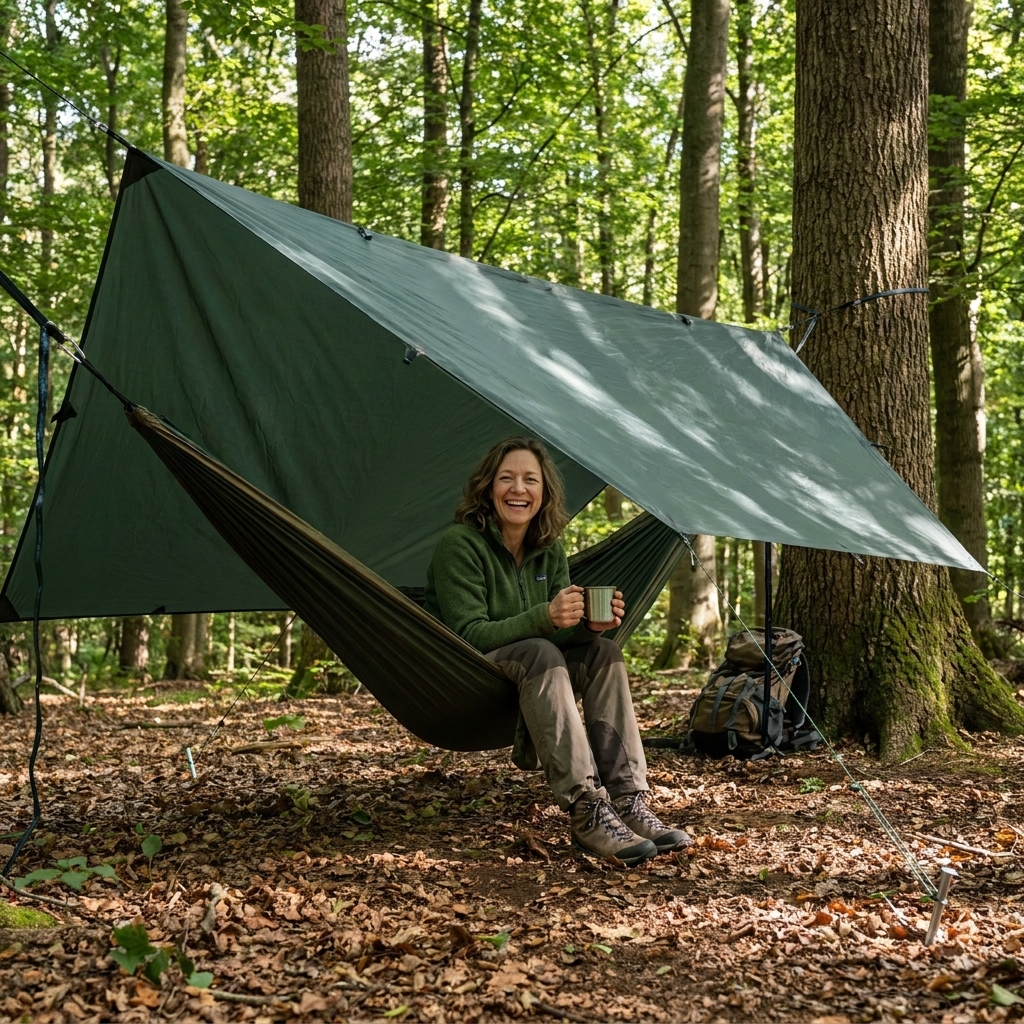
- Forest backpacking: no need to find flat ground, great on uneven sites.
- Wet environments: you are not sleeping on soggy ground if site drainage is poor.
- Low-impact camping (when done right): with wide straps, healthy trees, and smart rotation, you can reduce ground wear. The tradeoff is that hammocks can still impact trees and create “traffic zones” at the base, so good habits matter.
- Ultralight comfort (when optimized): a hammock plus tarp can be competitive on weight, but the grams often shift from shelter to insulation (underquilt, larger tarp) depending on temps.
Pros and cons
Tent pros
- Works anywhere you can stake or weigh down the corners
- More private changing space and easier shared sleeping
- Generally simpler for beginners and groups
- Better protection from windblown dust and spindrift in exposed areas
Tent cons
- Comfort depends on ground flatness and pad quality
- Can trap condensation if ventilation is poor
- Heavier if you want lots of space
Hammock pros
- No need for flat ground, great for rocky or rooty sites
- Excellent airflow for hot, humid nights
- Comfort can be outstanding once hang and insulation are worked out
- Great lounge potential: your “chair” is already set up
Hammock cons
- Needs suitable trees and rules allow it
- Requires bottom insulation and tarp skills for cold and storms
- Can feel exposed without a well-pitched tarp and bug net
- Some people never love the feel of sleeping suspended
Condensation and moisture
Tent condensation
Tents can collect condensation when warm breath meets a cool fly. Venting helps more than you think.
- Use roof vents and leave a door cracked when weather allows.
- Pitch so air can flow, not in a little bowl-shaped depression.
- Wipe down interior walls with a small pack towel in the morning.
Hammock moisture
Hammocks usually have better airflow, which is great in summer. In colder weather, airflow also means heat loss, so a wind-resistant tarp pitch matters. If you use a pad, you might notice back sweat from reduced breathability.
Weight and cost
This is the part where I gently remind you that you do not need the fanciest gear to have a great time.
Weight reality
- Tents: the weight is mostly in the shelter itself (plus stakes). Some ultralight models get impressively light, especially for solo use, but they often cost more and can be fussier in wind.
- Hammocks: the shelter (hammock plus tarp) can be light, but cold-weather capability often adds weight in insulation (underquilt, underquilt protector, bigger tarp). In other words, hammocks frequently shift weight from “tent body” to “warmth accessories.”
Cost reality
- A solid entry-level tent can be a one-purchase solution for many climates.
- A hammock system can become a “modular wardrobe” with separate pieces (hammock, tarp, bug net, underquilt). Great for customizing, but costs can stack.
Safety and rules
- Tree protection: use wide straps, avoid damaging bark, and follow Leave No Trace guidelines.
- Safe hangs: choose healthy, living trees with adequate diameter, avoid dead limbs overhead (widowmakers), and skip anything that looks rotten or unstable. Your comfort is not worth a sketchy branch.
- Regulations: some parks restrict hammocks due to tree damage concerns. Check rules before you go.
- Site impact: tents can compact soil and damage vegetation if pitched on fragile surfaces. Choose durable sites.
- Site limits: some campgrounds require tents on platforms or designated pads. Platforms can also require special straps, anchors, or adapters for both tents and hammocks.
How to choose
Pick a tent if…
- You camp in deserts, alpine zones, beaches, or areas without reliable trees.
- You want one straightforward shelter for a wide variety of trips.
- You camp with a partner, kids, or a dog who needs to be inside with you.
Pick a hammock if…
- You camp mostly in forests and hate hunting for flat ground.
- You want a lounge-friendly setup for relaxing at camp.
- You are willing to learn a few setup skills, especially tarp pitching and under-insulation.
If you are torn, consider this very librarian sentence: borrow or rent before you buy. A single night can tell you more than a dozen gear lists.
Beginner setups
Easy tent kit
- 3-season tent with full rainfly
- Sleeping pad with an R-value appropriate for your season
- Bag or quilt rated for expected lows
- 8 to 12 stakes plus a small repair kit
Easy hammock kit
- Gathered-end hammock with integrated bug net (especially in warm months)
- Tree straps at least 1 inch wide
- Full-coverage tarp (bigger is friendlier when learning)
- Underquilt rated for your expected lows, or a pad as a starter option
- Top quilt or sleeping bag
FAQ
Is hammock camping better for your back?
For many people, yes, but not automatically. A good diagonal lay and proper sag are key. If you sleep banana-shaped and tight, your lower back may complain. Try adjusting suspension angle and strap height, and consider a structural ridgeline if your hammock supports one.
Can you hammock camp with no trees?
Not easily. There are stands and trekking-pole “hammock tent” style setups, but at that point you may be happier with a tent unless you specifically love hammocks.
Are hammocks warmer or colder than tents?
In cool weather, hammocks can feel colder without an underquilt or pad because air moves under you. With the right under insulation and a well-pitched tarp, they can be very warm and cozy.
What is faster to pack up?
Tents can be quicker if they are dry. Hammocks can be quicker if your lines are organized. Either can be a soggy wrestling match after rain, so pack a separate bag for wet gear when you can.
The Hobby Hearth takeaway
If you want a dependable shelter that works almost anywhere, a tent is hard to beat. If you camp in forests and crave comfort without battling roots and rocks, a hammock can feel like unlocking a secret level of outdoor sleeping.
Whichever you choose, give yourself permission to be a beginner. Your first setup might be a little lopsided, a little too tight, or pitched at a hilarious angle. That is not failure. That is how hobbies introduce themselves.