
If you have ever stood at the edge of a lake staring at a rack of boats thinking, “Okay, but which one is the beginner-friendly one that will not immediately dump me into the water,” you are in excellent company. Kayaks and canoes are both wonderfully peaceful ways to get outside, but they feel very different in real life. The good news is you do not have to pick the “best” one. You just have to pick the one that fits your kind of fun.
Below is a practical, side-by-side breakdown (without the pressure) of stability, storage, learning curves, and where each shines.
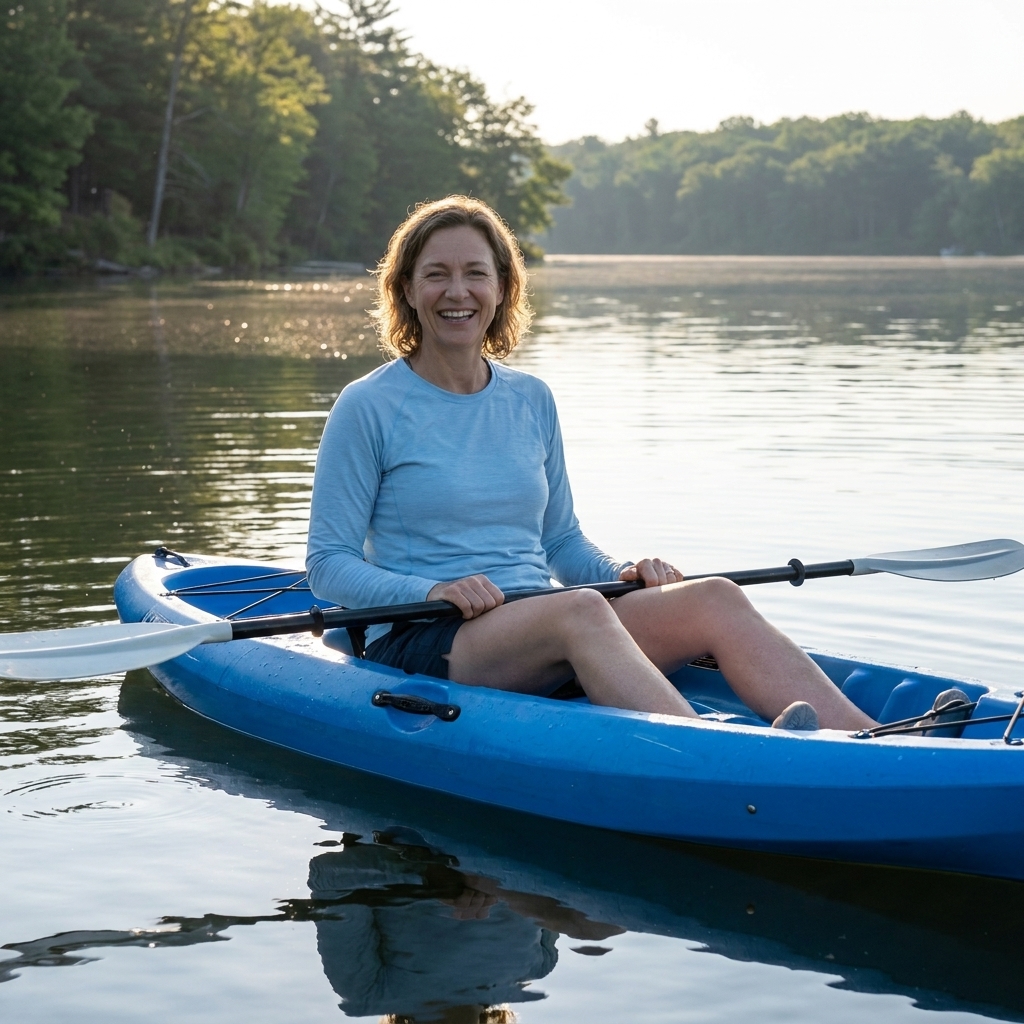
The quick vibe check
Choose a kayak if you want…
- Efficiency and speed with less effort on longer paddles (especially in longer touring designs)
- More control in wind and chop in many conditions, particularly with longer, narrower kayaks and a sit-inside setup
- A boat that is often easier to store due to a slimmer profile (weight varies a lot by size and material)
- Solo paddling that tends to feel intuitive once you learn a few basics
Choose a canoe if you want…
- Space for gear like a cooler, picnic basket, camping bins, or a dog that insists on coming
- A relaxed, social ride with a friend or family member
- Easy entry and exit at the shore for swimming days and sandbar stops
- Great initial stability on calm water, especially in wider recreational canoes
Boat types at a glance
Not all kayaks and canoes behave the same. A quick mental label helps set expectations.
- Kayaks: sit-on-top (easy on and off, great for warm weather) vs sit-inside (more protected, often better for colder or splashier conditions). Recreational kayaks are usually shorter and wider, while touring or sea kayaks are longer and track better.
- Canoes: solo vs tandem. Recreational canoes are often wider and more forgiving. Tripping and touring canoes are designed to carry loads efficiently over longer distances.
Stability: which feels less wobbly?
“Stability” has two flavors, and knowing them makes choosing a boat much easier.
- Primary stability is how steady the boat feels when it is sitting flat on the water. This is the “please do not tip while I adjust my hat” kind of stability.
- Secondary stability is how the boat behaves when it is tilted on edge. This matters more in waves, turns, and moving water.
Canoe stability
Most recreational canoes have solid primary stability, especially wider models. They feel roomy and calm at first, which is why they are so popular for lakes and slow rivers. The tradeoff is that canoes sit higher above the water, so wind can nudge them around more than you might expect.
Hull shape also matters. Flat-bottom canoes can feel very steady at rest, while shallow-arch designs often feel smoother in small waves. Width and overall design are usually better clues than one “best” bottom shape.
Kayak stability
Kayaks sit lower and have a different feel. Some beginners find them a little “tippy” at first, particularly narrow kayaks meant for touring. But many recreational kayaks are designed with a wide hull and can feel very steady. In choppier conditions, kayaks often feel more controllable because they ride lower and take waves more willingly, especially longer touring designs.
Beginner tip: If stability is your top priority, look for a wide recreational kayak (often 10 to 12 feet) or a wider recreational canoe designed for high primary stability. Either can be wonderfully steady on calm water.
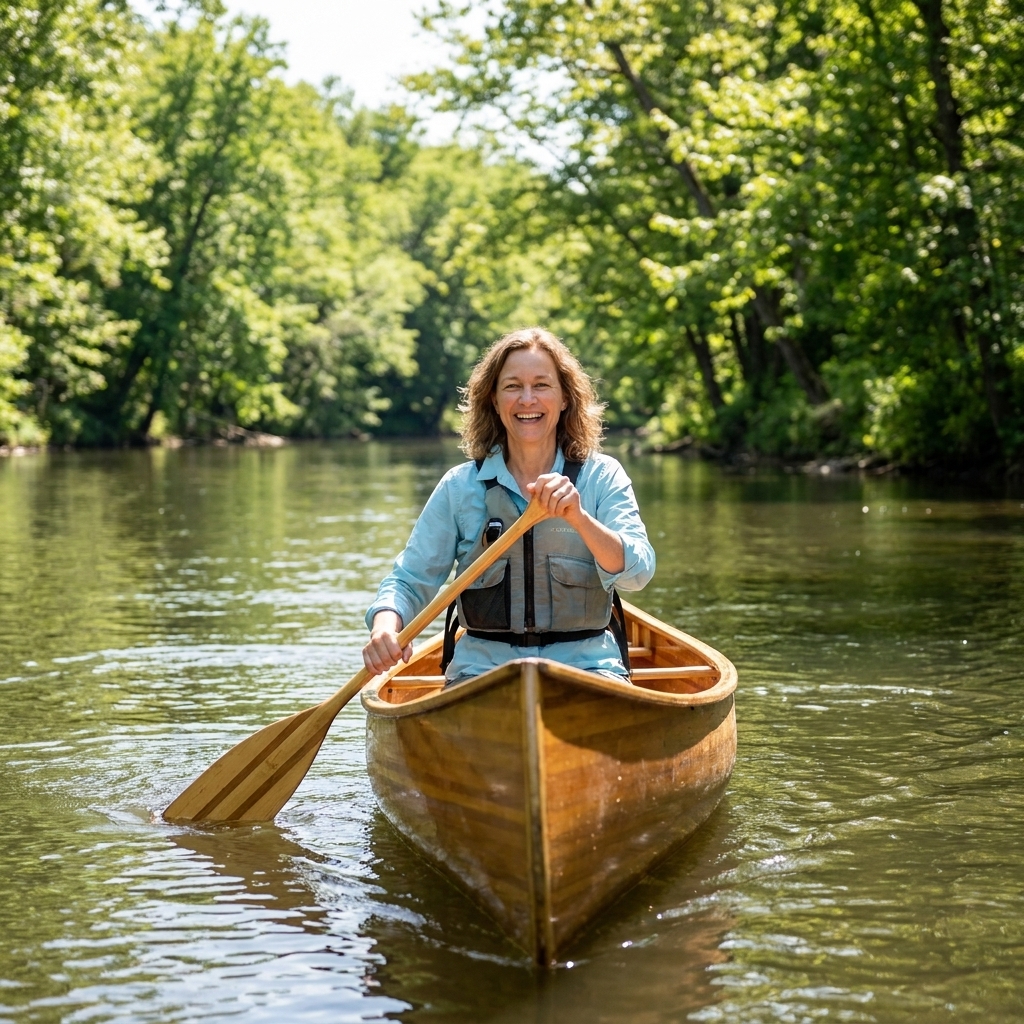
Storage and hauling: gear, snacks, kids, and dogs
This is where the canoe tends to smile quietly, because canoes are basically the pickup trucks of paddle sports.
Canoes: open, flexible storage
A canoe’s open hull makes it easy to load bulky items and keep things accessible. If your ideal day includes a cooler, lawn chairs, fishing tackle, or a golden retriever who wants to sit like a figurehead, a canoe makes that simple.
- Best for: picnics, fishing setups, camping bins, families
- Watch out for: open gear can get splashed, and wind can catch the boat more easily
Kayaks: smaller storage, but often more protected
Kayaks vary a lot. Sit-on-top recreational kayaks often have a rear tank well for a dry bag or small cooler. Sit-inside and touring kayaks may have sealed hatches for gear that stays drier and more secure.
- Best for: lighter loads, day trips, keeping gear contained
- Watch out for: odd-shaped items can be tricky to pack
If you are dreaming about overnight trips: Canoes make packing easy. Touring kayaks can carry surprising amounts too, but you will pack more like you are playing Tetris with dry bags.
Fit and capacity
This part does not get enough attention, and it should. The right boat is the one that fits your body and your stuff.
- Weight capacity: Stay comfortably under the listed maximum capacity. More load equals a lower boat, a wetter ride, and handling that feels less stable.
- Fit: In a kayak, you want secure contact at hips and feet without feeling jammed. In a canoe, you want a stable seating position and room for your gear to sit low and centered.
- Real-world rule: If you are renting, tell the outfitter your approximate paddler weight plus gear (and yes, the dog counts).
Learning curve: which is easier to start?
Both are beginner-friendly, and both have a few “aha” moments. The biggest difference is what you learn first.
Kayaking basics
Many beginners pick up forward paddling in a kayak quickly because the double-bladed paddle provides a steady rhythm and makes simple course corrections easy. That said, how straight a kayak tracks depends on hull design and wind, so expect to make small adjustments as you go.
- First skills you will learn: forward stroke, stopping, gentle turns, getting in and out safely
- Common beginner hiccup: bumping the sides of the kayak with the paddle, especially in wider boats
Canoeing basics
Canoeing can feel intuitive until you try to go straight and the boat politely disagrees. Because you use a single-bladed paddle, you will learn a correction stroke (often the J-stroke) to keep your line. Tandem canoeing adds teamwork, which is either charming or a tiny relationship workshop, depending on the day.
- First skills you will learn: forward stroke, J-stroke, switching sides, communication in a tandem boat
- Common beginner hiccup: zig-zagging while you learn to correct your stroke
My gentle recommendation: If you want the simplest first-day experience, a recreational kayak often feels more straightforward. If you love the idea of a shared outing and do not mind learning a little technique, canoeing is deeply satisfying.
Comfort and position
Your comfort matters. A lot. The most beautiful lake in the world is less charming when your hips are staging a protest.
Kayak seating
Kayaks place you lower, with legs forward. Some people find this cozy and secure, while others feel cramped. Many modern recreational kayaks have surprisingly comfortable seats, especially sit-on-top models.
- Great for: feeling connected to the boat, control in chop (especially longer designs)
- Potential issue: limited leg movement, especially for stiff knees or tight hips
Canoe seating
Canoes usually have bench seats or kneeling positions. There is more room to shift around, stretch, and reposition. This can be a big plus for leisurely paddles.
- Great for: room to move, easy entry and exit
- Potential issue: kneeling can be hard on knees, and bench seats can feel firm without a cushion
Comfort hack: A simple seat pad or cushion can dramatically improve canoe comfort. For kayaks, adjusting the foot pegs and back support before you launch is the difference between “nice paddle” and “why does my body have opinions.”
Best conditions for each
Lakes and calm reservoirs
Both are great here. Choose based on your day plan:
- Canoe: best for relaxed cruising, swimming stops, fishing, and gear-heavy outings
- Kayak: best for covering more distance, solo paddling, and staying comfortable if a breeze picks up
Rivers and gentle currents
Both can work, but with slightly different strengths:
- Canoe: lovely for slow rivers and float trips with friends, with room for gear
- Kayak: often easier to maneuver quickly and handle small waves or eddies
Windy water and open coastlines
In general, longer touring and sea kayaks handle wind and waves more confidently, especially with appropriate skills and safety gear. Short recreational kayaks and many sit-on-tops can still get pushed around and may weathercock in wind, so do not assume “kayak” automatically means “windproof.”
Canoes can be used on bigger water too, but wind can push them around and make paddling more work than fun, especially if the canoe is lightly loaded.
Camping trips
Canoes are famously friendly for camping gear. That said, touring kayaks are absolutely a thing, and paddlers do multi-day trips with them all the time. It just requires smaller gear and thoughtful packing.
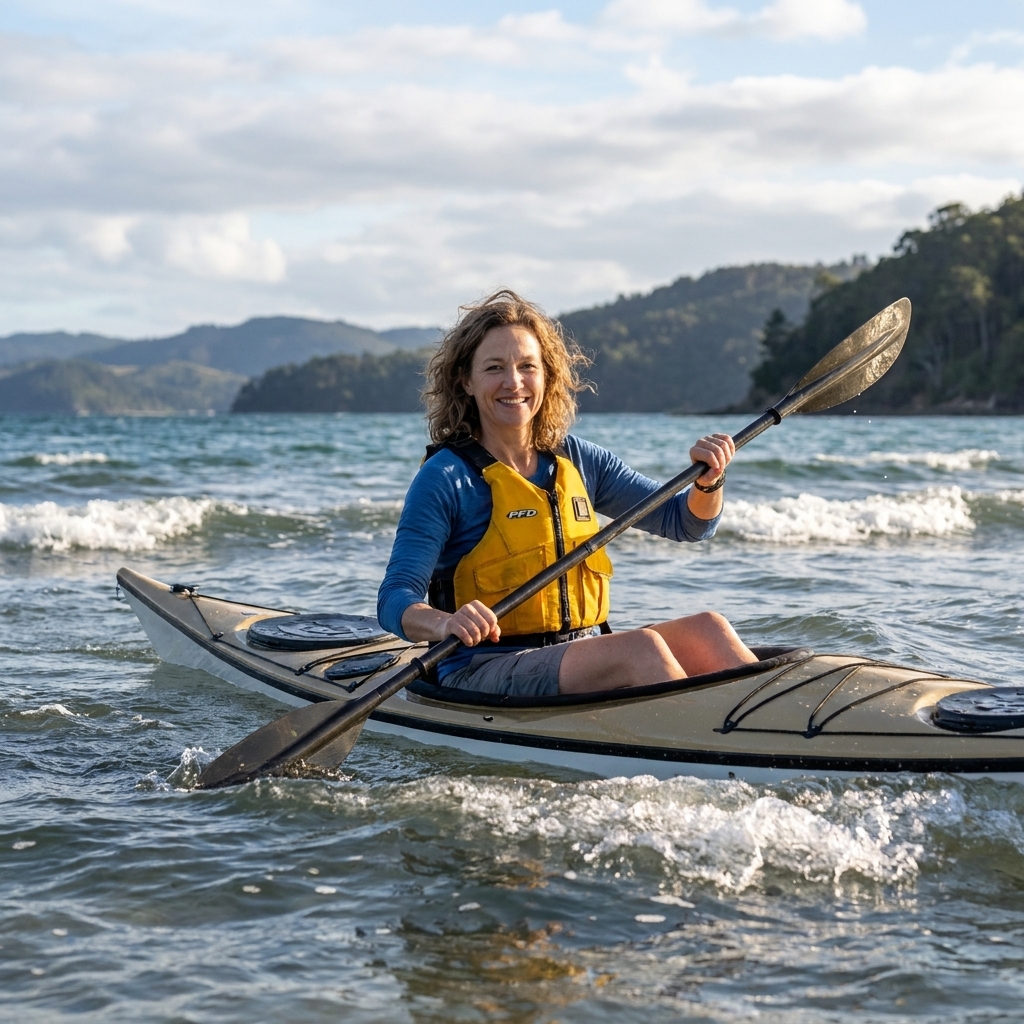
Capsize and recovery
No one plans to flip. It still happens. Knowing what “normal” looks like takes a lot of fear out of it.
If a kayak capsizes
- Wet exit: In a sit-inside kayak, you may need to pop the spray skirt (if using one) and exit the cockpit. This is a basic skill worth practicing in warm, shallow water with a buddy.
- Re-entry: Sit-on-tops are usually simpler to climb back onto. Sit-inside kayaks often need assisted re-entry or a self-rescue setup, plus getting water out of the cockpit.
If a canoe capsizes
- Swim it to shore if possible: Canoes can be harder to climb back into in deep water.
- Deep-water recovery exists: Techniques like a canoe-over-canoe rescue work well with a partner, but they are not usually “first day” skills.
Best beginner move: Stay close to shore until you are comfortable, and practice a simple capsize plan where it is safe and warm. Confidence is a skill.
Basic gear differences
Same sport family, slightly different toolkits.
- Kayak essentials (especially sit-inside): bilge pump or sponge to remove water, and a paddle float for practicing re-entry. A spray skirt is helpful in colder, rougher, or splashier water, but not required for casual, warm, calm paddling.
- Canoe essentials: bailer or sponge for splashes and rain, and solid tie-down points for gear. In wind, a bit of extra load (packed low and centered) can actually help control.
Transport and storage at home
This section is not glamorous, but it is often the deciding factor. A boat you can comfortably load and store is the boat you will actually use.
Kayaks
- Often easier to store due to a slimmer shape
- Weight varies widely from very manageable recreational models to heavier fishing setups
- Can be solo carried with good handles or a simple cart (again, depends on weight)
Canoes
- Often longer and bulkier, which can mean more awkward loading
- Weight also varies widely from ultralight composites to heavier plastic models
- May need two people to lift comfortably unless you are very confident and the canoe is lightweight
Reality check that saves money: Before buying, measure where the boat will live and how you will get it onto your vehicle. The best boat is the one you can launch without needing a pep talk and a chiropractor.
Safety basics for both
I am going to sound like your nicest rule-following librarian for a moment, but this is important.
- Wear a properly fitted PFD every time. Not “within reach.” On your body.
- Dress for the water temperature, not the air temperature. Cold water can be dangerous even on warm days. If the water is cold, consider a wetsuit or drysuit.
- Know local rules for required safety gear and navigation regulations where you paddle.
- Tell someone your plan and expected return time.
- Bring the essentials: whistle, water, sun protection, and a dry bag for phone and keys.
- Check conditions for wind, storms, and current before you launch.
- Skip alcohol on the water, especially for beginners. It makes everything harder and riskier.
How to choose in 5 questions
- Will you mostly paddle solo? If yes, a kayak is often simpler.
- Do you want to bring a lot of gear or a dog? Canoe is usually the easier fit.
- Is your water likely to be windy or choppy? A longer touring kayak often feels more in control. On calmer water, either works.
- Do you care more about distance or lounging? Kayak for distance, canoe for lounging.
- Can you store and lift it easily? Let your space and vehicle have a vote.
FAQ
Is kayaking safer than canoeing?
Neither is automatically safer. Safety depends more on conditions, wearing a PFD, choosing the right boat for the water, and staying within your comfort zone. Kayaks can feel more manageable in waves (especially longer touring designs), while canoes often feel very steady on calm water. Both can be safe with good habits.
Which is better for beginners?
Many beginners find recreational kayaks easier on day one because the double-bladed paddle makes basic steering straightforward. Canoes are also beginner-friendly, especially on calm water, but you may spend a little more time learning strokes to keep the boat going straight.
Which is better for fishing?
Both can be great. Canoes offer space and easy access to gear. Many anglers love sit-on-top fishing kayaks because they are stable, have built-in storage, and are easy to customize. If you want maximum room and flexibility, start by looking at canoes. If you want a compact, purpose-built setup, look at fishing kayaks.
Do I need a spray skirt for kayaking?
Not for casual paddling on warm, calm water. Spray skirts are most useful for colder conditions, rougher water, or touring where you want to keep water out of the cockpit.
My friendly bottom line
If your dream day is a calm lake, snacks, a friend, and a pile of gear that includes something fluffy (dog or blanket, either counts), you will probably adore canoeing. If your dream day is gliding along smoothly, covering distance, and feeling a bit more “locked in” on the water, kayaking is likely your match.
And if you are still torn, consider renting both for an hour or two. The water has a way of making your preferences very obvious, usually within the first ten minutes.