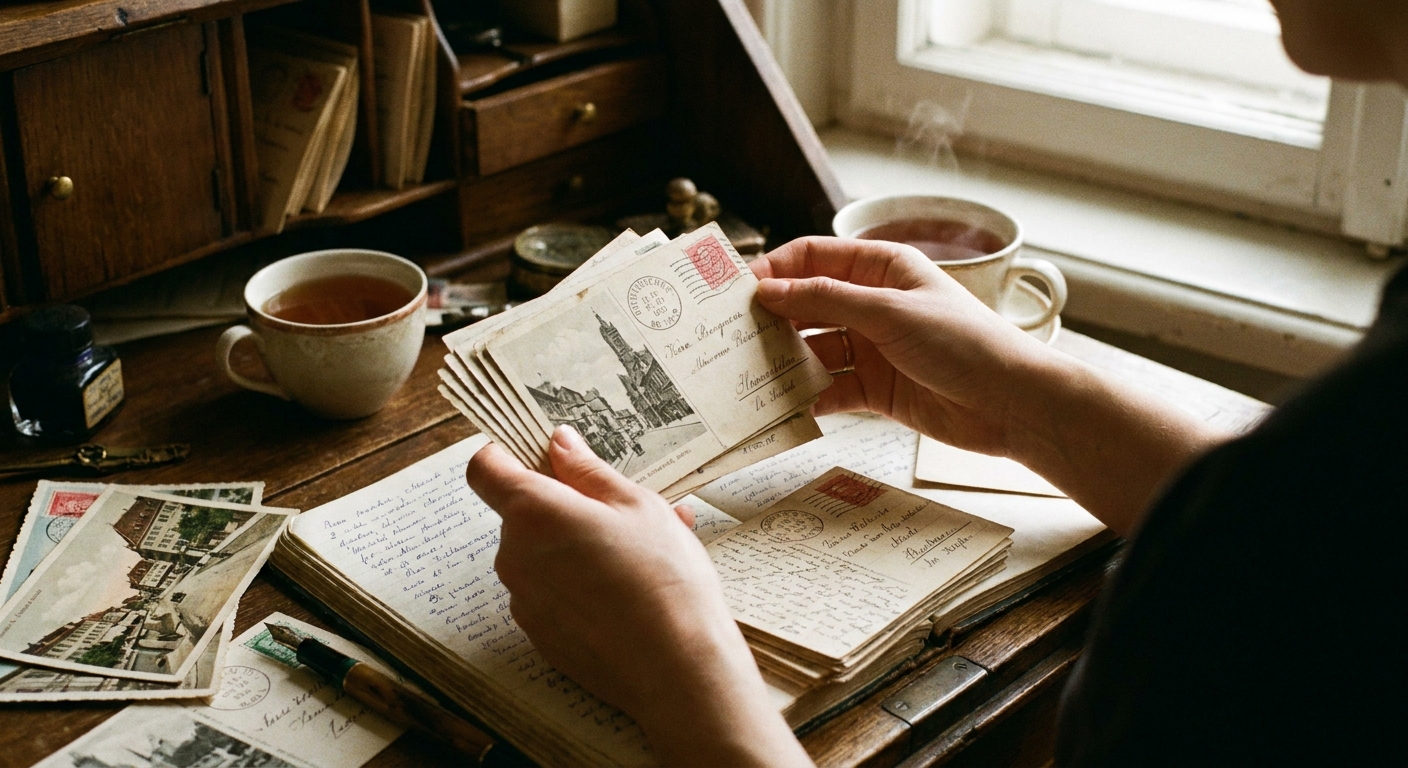

Vintage postcards are tiny time capsules. They are affordable, easy to store, and delightfully specific, like a 1910s seaside pier, a 1940s diner, or a long-gone main street with a proud little note scribbled on the back. If you have ever wanted a collecting hobby that fits into a normal weekend and does not require a climate-controlled vault, postcards are a very friendly place to start.
This guide will walk you through where to find postcards, how to get a quick sense of era and condition, and simple ways to organize and store your collection without spending a fortune.
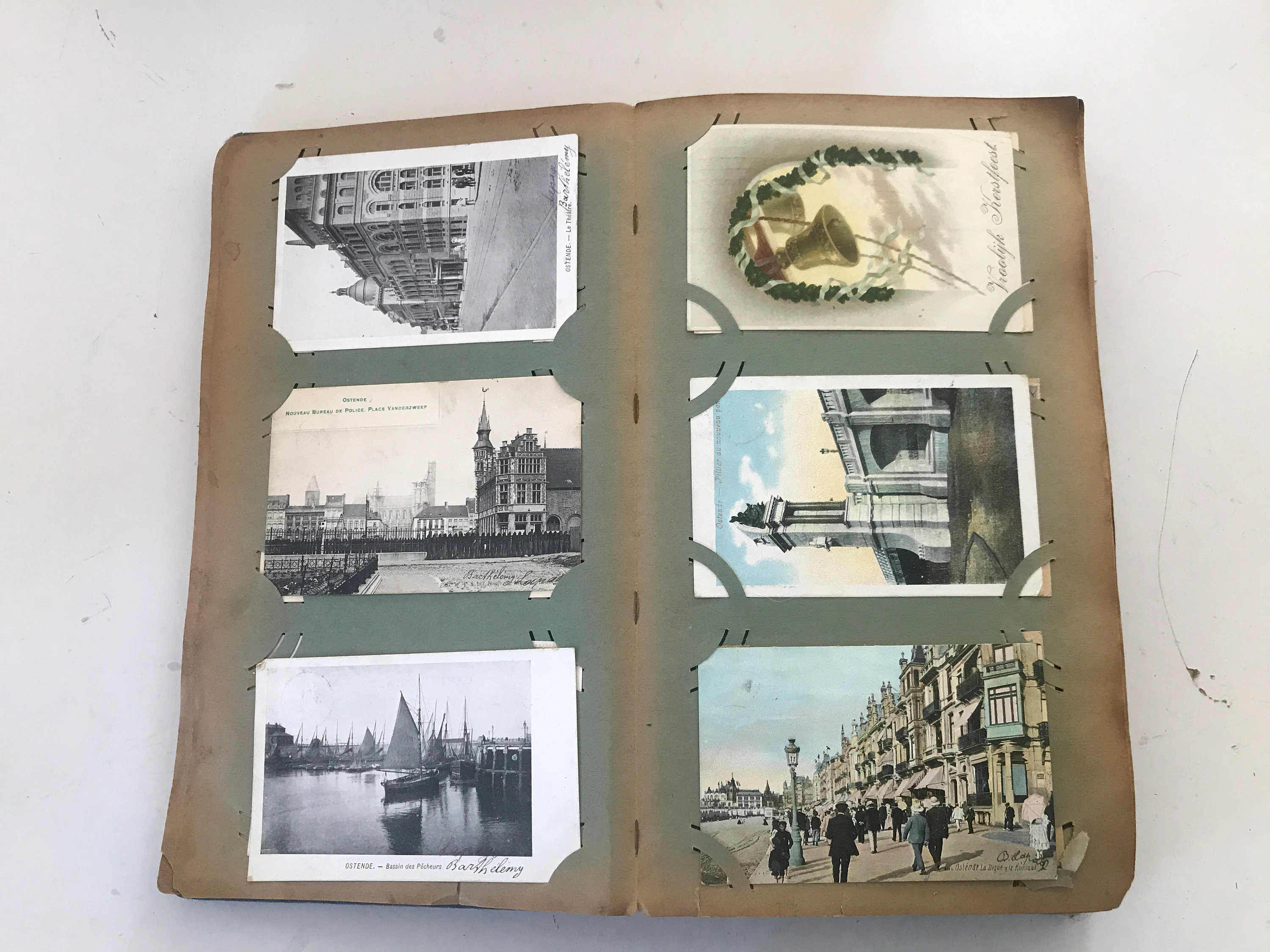
What counts as a vintage postcard?
Collectors can be wonderfully opinionated about the word vintage, so here is a practical, rule-of-thumb definition you can actually use while browsing:
- Antique: roughly 100+ years old.
- Vintage: often 20 to 99 years old, but many postcard collectors casually use “vintage” for anything pre-1970s.
- Modern: newer cards, including contemporary tourist cards and artist postcards.
For beginners, I suggest a simple rule: start with what you love and let the dates become part of the learning. If you only buy cards that make you pause and smile, your collection will feel personal right away.
Where to find vintage postcards
The best postcards are often hiding in plain sight, usually in a shoebox , a rotating rack, or a dealer’s “ephemera” bin. Here are beginner-friendly places to look, starting with the most budget-conscious options.
Thrift stores and charity shops
Check the bins near picture frames, scrapbooking supplies, and old books. Postcards might be grouped with greeting cards or loose photos. Prices can be excellent, especially if you are willing to buy a small mixed lot and keep what you love.
Antique malls and vintage markets
Look for booths labeled paper, ephemera, postcards, or local history. Many sellers price by the card, and some have bargain boxes where you can dig. Give yourself time. Postcard collecting rewards the slow browse.
Flea markets and garage sales
Here is a tip from my librarian days: ask kindly if they have any old paper items, postcards, or travel souvenirs. People often remember a box in a closet and bring it out. If you buy a bundle, you can usually negotiate a better per-card price.
Estate sales
Estate sales can be postcard gold, especially when the home has lived in the same town for decades. If you find a box, try to keep it together until you get home. The groupings can tell a story.
Local history rooms and museum gift shops
Some historical societies sell reproduction cards, but you may also find real vintage cards at fundraising sales or in curated local ephemera sections. Even if you do not buy anything, you will learn what your area’s imagery looked like across decades.
Online marketplaces
Online buying is convenient, but it is easiest when you have a theme in mind, like “vintage postcards Yellowstone” or “1950s motel postcards Arizona.”
- Buy lots for learning: A mixed bundle is a low-stress way to practice dating cards and noticing condition.
- Zoom in: Always check corners, edges, and the back for writing, stains, or tape marks.
- Shop smart: Check seller ratings, read return policies, and do not be shy about asking for extra photos.
- Use helpful keywords: Try “RPPC” (real photo postcard), “divided back,” “linen,” or a specific town name.
- Expect shipping wear: Ask for cards to be mailed in a rigid mailer or between cardboard.
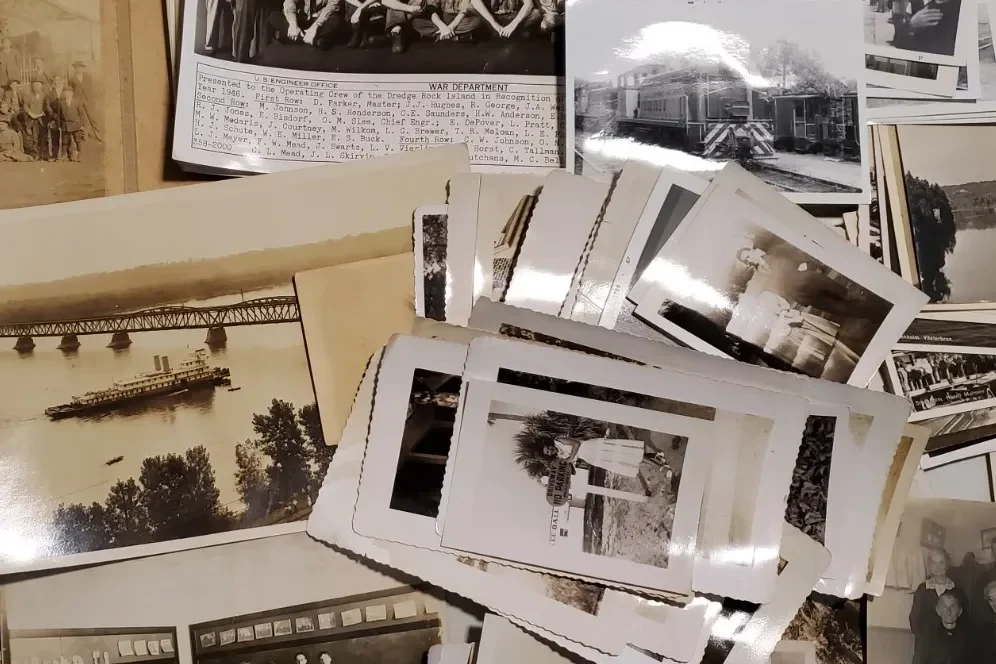
Choosing a focus
You do not need a focus to start, but having a gentle thread keeps you from buying random cards you later feel guilty about. Consider one of these easy directions:
- Places: your hometown, places you have lived, national parks , beach towns, main streets.
- Topics: trains, bridges, cats, gardens, lighthouses, libraries, roadside diners, hotels and motels.
- People and everyday life: holidays, fashion, street scenes, fairs, parades.
- Art styles: linen-texture cards, photochromes, hand-tinted photos, cartoon cards.
- Writing-led collecting: cards with funny messages, romantic notes, or fascinating everyday details.
If you cannot decide, start with a three-pocket rule: choose three themes and only buy within those for your first month. You can always expand later, once you learn what consistently excites you.
Dating a postcard
You do not need to become a postcard historian overnight, but a few visual clues can help you place a card in a rough time window. When you are holding a postcard, use this quick checklist.
Check the back first
- Undivided back: the entire back is for the address, and the message had to be written on the front. In the United States, these are most typical before 1907, with some overlap.
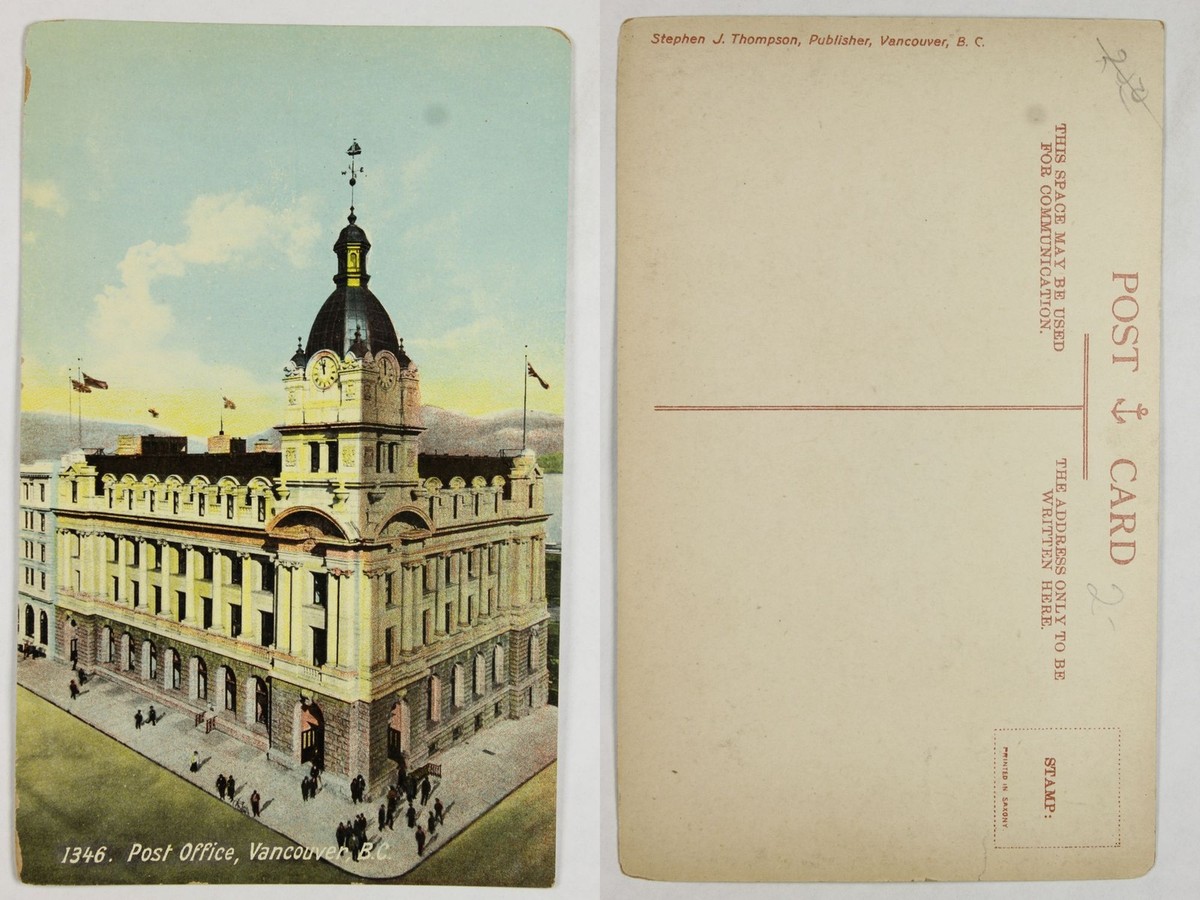
- Divided back: a vertical line splits message and address. In the United States, divided backs were authorized in 1907 and quickly became the norm. Elsewhere, timing varies, so treat it as a clue, not a courtroom verdict.
Check the postmark and stamp (if mailed)
A clearly dated postmark is the simplest answer. Keep in mind the card could have been printed earlier than the mailing date, but it still gives you an excellent era anchor.
Feel the paper and surface
- Glossy photo cards: common across many decades, but very shiny modern coatings tend to look and feel newer.
- Linen-texture postcards: especially common in the U.S. from the 1930s through the 1950s, with overlap into the late 1920s and early 1960s depending on publisher.
- Thick, matte stock: often earlier, but publishers vary, so pair this clue with others.
Study the image content
Cars, clothing, signage, and architecture are surprisingly helpful. If you see:
- Big finned cars and neon motels: often a mid-century look.
- Horse-drawn vehicles or early automobiles: commonly early 1900s through the 1920s.
- Color palette shifts: certain printing processes and color styles strongly suggest a particular decade.
My favorite approach is to treat dating like a game. Take your best guess, then confirm later by looking up the publisher name or comparing with other cards from the same location.
Common era labels (quick cheat sheet)
If you start browsing dealer listings, you will see a few common buckets again and again:
- Pioneer and undivided back: typically pre-1907 in the U.S.
- Divided back: roughly 1907 to the mid-1910s for many U.S. cards.
- White border: often associated with the 1910s through 1930s.
- Linen: commonly 1930s through 1950s (with overlap).
- Chrome:
Judging condition
Condition matters most when you are paying higher prices, but even bargain cards deserve a quick once-over. Here is a beginner-friendly way to evaluate postcards fast, with the most common issues you will see.
Corner and edge wear
Soft corners and frayed edges are normal, especially on mailed cards. Moderate wear is usually fine for a starter collection, and it often keeps prices lower.
Creases and bends
Creases across the image tend to reduce value and can be distracting visually. Tiny corner bends are common and less of a dealbreaker if the front still displays nicely.
Surface damage
- Scuffs and scratches: show up under angled light on glossy cards.
- Album marks: old adhesive corners, tape residue, or faint lines where a card was glued into an album.
If you love the image and the price is right, you can absolutely keep it. Just store it in a sleeve so the damage does not worsen.
Writing and stamps
Some collectors prefer unused cards. Others, myself included, love the human detail of a message and a stamp. From a starter hobby perspective, writing is not a flaw. It is a feature you get to decide you like.
Stains, foxing, and odors
Brown speckling (often called foxing), water stains, and mildew smells are the big caution flags. These issues can worsen over time, especially with humidity, and odors can transfer to other paper items stored nearby. If a card smells musty or feels damp, it is safer to pass.
A note on cleaning
It is tempting to erase pencil marks or wipe off spots, but liquids and aggressive rubbing can do more harm than good. For valuable or sentimental cards, consider leaving them as-is or consulting a paper conservator.
Beginner rule I swear by: buy for joy first, then let condition standards evolve naturally as your taste sharpens.
What to pay
Prices vary by location, rarity, and topic, but postcard collecting can be genuinely inexpensive. A simple weekend budget might look like this:
- $5 to $15: enough for a small stack from a bargain bin or a thrift-store bundle.
- $20 to $40: enough for a focused mini haul and a basic binder setup.
For most common tourist, town-view, and scenic cards, you can often find low-cost options. Expect higher prices for rare real-photo postcards, scarce locations, certain holiday themes, or cards with notable historical content.
Organizing your collection
You do not need a complicated cataloging system. You need something you can keep up with on a sleepy Sunday afternoon.
Shoebox method
Use a clean, sturdy box and sort with index cards as dividers. Common divider ideas:
- By place (state, city, country)
- By theme (gardens, trains, holidays)
- By era (early, mid-century, modern)
- By favorites vs. to research
Add cards standing upright rather than stacked flat if you can, so you can flip through without bending corners.
Binder with sleeves
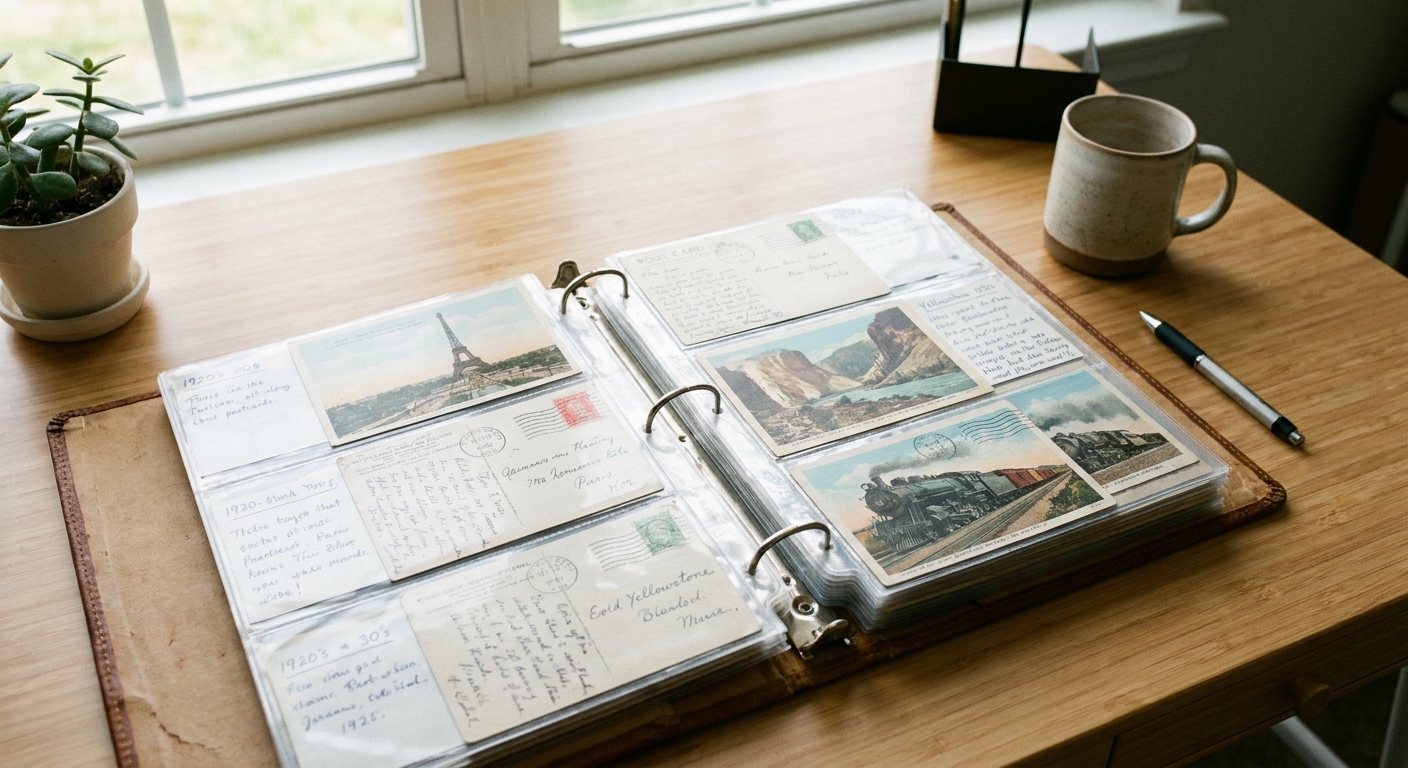
A standard 3-ring binder plus postcard-size pocket pages keeps cards visible and protected. It also scratches the itch of “I want to look at my collection,” which is the whole point.
- Choose archival or PVC-free sleeves when possible.
- Avoid overstuffing pockets. Warping is real.
- Store the binder upright like a book, not tossed flat under heavy stacks.
Storage basics
Postcards are sturdy, but they are still paper, so a few small habits make a big difference.
Handle with clean, dry hands
Gloves are optional. Clean hands are not. Oils and lotion can leave marks, especially on glossy surfaces.
Keep cards away from light, heat, and humidity
Sunlight fades inks. Humidity encourages warping and mildew. A closet shelf in a living space is usually better than a basement or attic.
Choose safe materials when you can
Look for terms like archival, acid-free, and PVC-free on sleeves and storage boxes. If you already have non-archival sleeves, do not panic. Use them for duplicates or less precious cards while you gradually upgrade.
Do not laminate postcards
Lamination is permanent and can damage paper over time. If you want to display a card, use a frame with a mat or a clear display stand.
Reprints and originals
Reproductions can be fun, especially if you want the look of a classic card without the fragility or price. The only real rule is to make sure you know what you are buying.
- Read the fine print: Modern cards often have a printed copyright line, a modern website, or “reproduction” noted on the back.
- Trust your hands: Very bright, ultra-smooth stock can signal a newer reprint, even when the image looks old.
- Ask questions online: If a listing is vague, ask the seller for a clear photo of the back and any publisher information.
Weekend project
If you want a satisfying first weekend with this hobby, here is a low-pressure project that feels like progress immediately:
- Pick a theme you can find locally, like your town, a nearby city, or a national park you love.
- Set a small goal: 10 to 20 cards.
- Buy a binder and sleeves, then sort your cards in a pleasing order, like a little time-travel walk.
- Add a tiny note on a slip of paper behind each card: where you found it, what you paid, and what you love about it.
You will end the weekend with a collection you can flip through, not just a pile you promise you will deal with later.
Beginner mistakes
Buying too many random cards too fast
It is tempting, especially when cards are cheap. If you start feeling overwhelmed, pause and pick one theme for the next ten purchases.
Storing cards in a damp spot
Humidity is the quiet villain of paper collecting. If your storage area sometimes smells musty, choose a different shelf.
Assuming unused is always better
Unused cards can be pristine, but mailed cards can have gorgeous handwriting, interesting stamps, and actual travel history. Collect what you enjoy looking at.
Letting perfectionism run the show
Postcard collecting is a gentle hobby. A small crease does not ruin a card if it still makes you happy. Save strict condition standards for when you are spending strict money.
Quick FAQ
Are vintage postcards worth anything?
Some are, especially rare real-photo postcards, scarce locations, and specialized themes. But many vintage postcards are affordable and meant to be enjoyed as historical ephemera, not treated like a retirement plan.
How do I tell if a postcard is a real photo postcard?
Many real photo postcards have a photographic look with rich grayscale tones and fine detail, and the back may include photo paper branding. If you are unsure, compare it to clearly printed color cards and look for that photographic depth.
Should I collect used or unused postcards?
Either is perfect. Unused cards highlight the image. Used cards add human stories. A mixed collection is very common.
What is the safest way to mail or transport vintage postcards?
Use a rigid mailer or sandwich the cards between clean cardboard. Avoid rubber bands, which can dent corners and leave marks.
Your first step
If you want the simplest possible starting point, try this: the next time you are at a thrift store or antique mall, set a timer for 15 minutes and look only for postcards that show places within an hour of where you live. Buy just three. When you get home, look up the locations, read any messages, and write a single sentence about what you noticed. Congratulations, you have started collecting, and you have already started learning, which is the fun part.